
Propagation
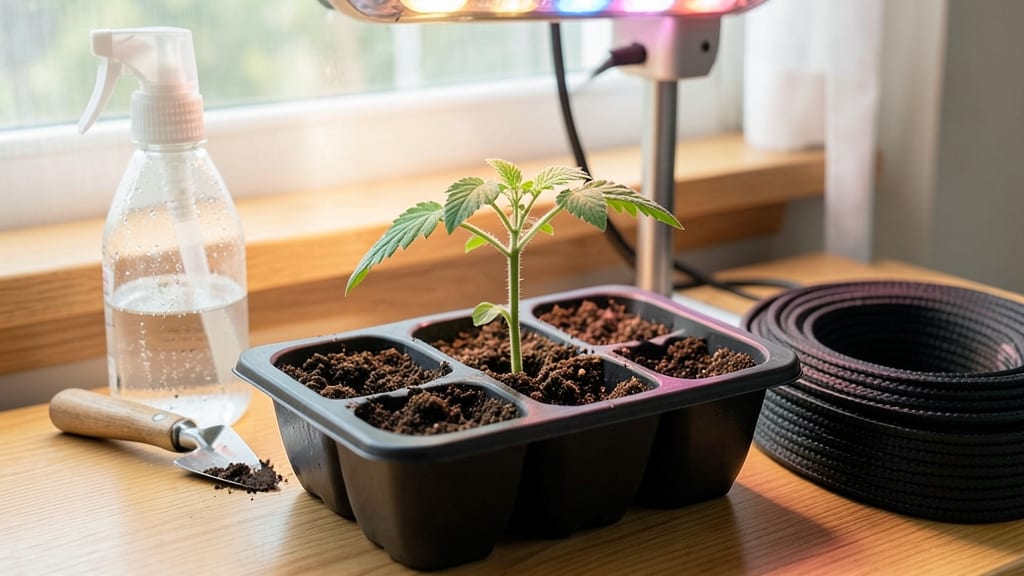
Starting tomato plants from seeds indoors isn't just rewarding—it's the fastest way to get 7-day germination and plants that outperform store-bought seedlings. 🌱 I've grown hundreds of seedlings, and the key to speed lies in temperature, light, and a few tricks that cut waiting time in half.
Most beginners overlook how moisture and warmth work together, but once you master it, you'll have sturdy seedlings ready for transplanting in just a few weeks.
The secret starts with the right setup: a heat mat (or warm spot), a seed-starting mix that drains well, and 12-16 hours of bright light daily—grow lights or a sunny windowsill works.
I use small plastic pots or recycled containers with drainage holes because damp roots are the #1 enemy of fast germination. Plant seeds ¼ inch deep, then keep the soil consistently moist (not soggy) under plastic wrap or a humidity dome until sprouts appear.
By day 7, you'll see tiny leaves unfurling, and within 3-4 weeks, those seedlings will be stocky enough to handle transplanting. The trick to avoiding leggy, weak plants is light from day one—no waiting for sprouts to "find" the sun.
Once they hit 2-3 inches tall, I start fertilizing lightly with diluted fish emulsion to give them the boost they need for the garden.
This method works for heirloom, cherry, and beefsteak varieties alike, and it's foolproof even for beginners. The payoff? Plants that mature 2-3 weeks earlier than nursery starts, with stronger roots and better disease resistance. Ready to skip the nursery line and grow your own?
📚 In This Guide
- What you need
- Instructions
- Tips and common mistakes
- Wrapping up and next steps
What you need
- ● Tomato seeds: Choose heirloom or hybrid varieties (e.g., Beefsteak, Cherry, or Roma). Aim for 5–10 seeds per container to account for germination variability.
- ● Seed-starting mix: A lightweight, sterile blend (e.g., Pro-Mix or FoxFarm Seedling Mix). Avoid garden soil—it’s too dense and can harbor diseases. Use 1–2 cups per container.
- ● Containers: Opt for biodegradable pots (3–4 inches deep), seed trays with cell inserts, or repurposed containers (yogurt cups, egg cartons) with drainage holes. 1–2 containers per seed type.
- ● Grow lights: A full-spectrum LED or fluorescent bulb (e.g., T5 HO or 6500K LED) placed 2–4 inches above seedlings. Run lights 14–16 hours/day.
- ○ Heat mat (optional but recommended): A seedling heat mat (70–80°F range) to speed germination. Use 1 mat for 1–2 trays.
- ● Misting bottle or spray nozzle: For gentle watering (1–2 sprays per day until germination).
- ● Plastic wrap or humidity dome: To retain moisture during germination. Cover containers loosely.
- ● Labels & markers: Waterproof labels or popsicle sticks to track seed varieties.
- ● Fertilizer: A balanced, water-soluble fertilizer (e.g., 5-5-5 or fish emulsion) diluted to half-strength for seedlings. Use after true leaves emerge.
- ● Tweezers or popsicle stick: For carefully transplanting seedlings later.
- ○ Fan (optional): A small oscillating fan on low to strengthen seedlings (place 3–4 inches away, 1–2 hours/day after germination).
- ● Thermometer/hygrometer: To monitor temperature (70–85°F) and humidity (70–90%) during germination.
Step-by-Step instructions for starting tomato plants indoors
Here's how I guarantee strong tomato seedlings in just 7 days—no waiting weeks for slow germination.
🌱 Step 1: Prep Seeds and Warmth for Fast Germination
Soak tomato seeds overnight in a bowl of lukewarm water. The reason? Tomato seed coats are tough, and a 12-hour soak softens them so sprouts emerge faster. Drain and wrap seeds in a damp paper towel, then place them inside a sealed plastic bag. Keep this bag in a warm spot—75-85°F is ideal. I use a seedling heat mat under my seed tray because tomatoes won't germinate well below 70°F. You'll see tiny white roots breaking through the towel in 24-48 hours—that's your cue to plant.
Don't skip the warmth. I tried planting unsoaked seeds straight into cold soil once, and germination took 14 days instead of 7. The heat trick cuts that time in half. After the towel method, plant the sprouted seeds ¼ inch deep in your seed-starting mix—just enough to cover them lightly.
💧 Step 2: Maintain Moisture Without Overwatering
Use a spray bottle to mist the soil surface until it's damp but not soggy. The key here is consistency—tomato seeds need steady moisture to germinate, but standing water will suffocate them. Place the tray under a clear plastic dome or cover it with plastic wrap to trap humidity. Check daily and remove the cover once 50% of seeds have sprouted—this prevents damping-off, a fungal disease that turns seedlings to mush overnight.
I like to tap the tray gently on the table every few days to settle the soil. This prevents air pockets that can dry out seeds. Watch for condensation on the underside of your cover—if it's heavy, you've got enough moisture. If the soil surface feels dry to the touch, give it a light misting. Overwatering now is the fastest way to kill your seedlings before they even start.
☀️ Step 3: Introduce Light Immediately After Germination
The moment those first green shoots appear, move them under grow lights—14-16 hours daily of bright light. A south-facing window won't cut it; seedlings stretch toward light and become leggy if they don't get enough intensity. I use a full-spectrum LED grow light positioned 2-4 inches above the plants. Raise it as they grow to maintain that distance. You'll know your light is right when seedlings have thick stems and dark green leaves—no pale, stretched-out growth.
Rotate the tray a quarter turn daily so plants grow straight instead of leaning toward the light. Leggy seedlings (thin stems with leaves spaced far apart) mean your light is too far away or not bright enough. If you see this, lower the light immediately. Strong seedlings should be compact with leaves close together. This is the foundation for healthy, productive plants later.
⏰ Step 4: Thin and Harden Off for Transplant Success
When seedlings have 2-3 true leaves (not the first tiny cotyledons), thin to the strongest plant per cell. Use scissors to snip weak seedlings at soil level—don't pull them, or you'll disturb the roots of the ones you're keeping. This might seem harsh, but crowded seedlings compete for nutrients and grow weak. After thinning, water lightly to settle the soil around the remaining plants.
Two weeks before your last frost date, start hardening off. Place seedlings outside in a sheltered spot for 1-2 hours the first day, gradually increasing time over 10-14 days. This toughens them up for outdoor conditions. I do this on my patio under a shade cloth first, then move them to full sun. Watch for wilting—if it happens, they're not ready yet. Once they tolerate a full day outside without stress, they're ready for the garden.
Tips & tricks for perfect indoor tomato seedlings
Here's what nobody tells you about getting those first sprouts to thrive.
Germination Speed Hack: The 12-hour soak in Step 1 is non-negotiable—it softens those tough seed coats so sprouts emerge in just 24-48 hours instead of days. I've found that using lukewarm water (not hot) prevents seed damage while still breaking down the outer layer. Pro tip: If your kitchen runs cold, place the bowl of seeds near your oven with the light on—it creates just enough warmth to maintain that 75-85°F range without risking overheating.
Light Trick for Compact Growth: In Step 3, when you move seedlings under grow lights for 14-16 hours daily, position the light 2-4 inches above them and raise it as they grow. I use a simple clip-on LED bulb that adjusts—this prevents leggy growth that happens when light is too far away. The secret? Rotate the tray a quarter turn daily so plants grow straight instead of leaning. You'll know you're doing it right when seedlings have thick stems and dark green leaves that don't look stretched out.
Hardening Off Shortcut: The two-week hardening off process in Step 4 doesn't need to be stressful. Start with just 1-2 hours on day one in a sheltered spot, then add 30 minutes each subsequent day. I place mine on my patio under a shade cloth first—this mimics outdoor conditions without shocking the plants. Watch for wilting as your indicator; if they perk up after a few hours, they're ready for more sun exposure. This gradual approach prevents transplant shock that kills so many seedlings.
Pro Tips for Starting Tomato Plants From Seeds Indoors
- Here's what nobody tells you about getting those first sprouts to thrive.
- Germination Speed Hack: The 12-hour soak in Step 1 is non-negotiable—it softens those tough seed coats so sprouts emerge in just 24-48 hours instead of days.
- Light Trick for Compact Growth: In Step 3, when you move seedlings under grow lights for 14-16 hours daily, position the light 2-4 inches above them and raise it as they grow.
Frequently asked questions
Got questions about growing tomato seedlings indoors? You’re not alone! Here are some of the most common concerns—and their quick solutions—to help you get started with confidence.
How soon can I expect tomato seeds to germinate indoors?
With the right light tricks (like a heat mat or warm spot), most tomato seeds sprout in 5–7 days. If your seeds take longer, check moisture levels—keep the soil damp but not soggy. Cold or dry conditions can delay germination by weeks!
What’s the best time to start tomato seeds indoors?
For most climates, begin 6–8 weeks before your last frost date. Use a seed-starting calculator (like The Old Farmer’s Almanac) to pinpoint the ideal window. Early starts give seedlings time to harden off before transplanting.
Can I use regular potting soil for tomato seeds?
Not ideal! Seedlings need light, sterile soil to prevent damping-off disease. Mix a 50/50 blend of potting soil and perlite or vermiculite for better drainage. Avoid garden soil—it’s too dense and may harbor fungi. Pro tip: Add a sprinkle of mycorrhizal fungi later to boost root growth!
Why are my tomato seedlings leggy or weak?
Leggy seedlings usually mean not enough light. Move them within 2–3 inches of grow lights (or a sunny windowsill) for 12–16 hours daily. If they’re already stretched, bury them deeper when transplanting—they’ll grow roots along the stem. Avoid overwatering too!
What if I miss the seed-starting window? Can I still grow tomatoes?
Try fast-maturing varieties (like ‘Early Girl’ or ‘Stupice’) or buy young seedlings from a nursery. For a late start, use black plastic mulch outdoors to warm the soil faster. Just be prepared for smaller harvests—tomatoes need time to thrive!
Still stumped? Drop your question in the comments—we’re happy to help you troubleshoot!
Wrapping up and next steps
Starting tomato plants from seeds indoors is a rewarding journey that saves money and connects you to nature’s cycle. With the right light tricks and patience, you’ll see sprouts in just 7 days—proof that even beginners can grow thriving plants! 🌱
Now that you’re equipped with the know-how, take the next step: grab those seeds, set up your grow station, and watch your green thumb grow. Happy planting—your future harvest is waiting! 🍅✨