
Vegetables
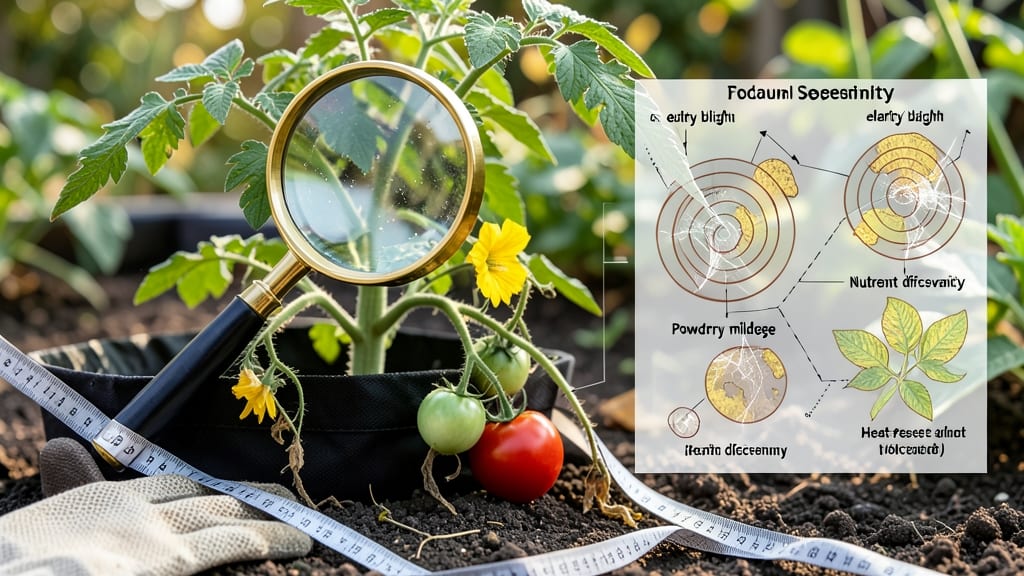
When your tomato plants show the sudden tomato sensitivity symptoms of leaf burn or yellowing, it’s often acid sensitivity rearing its ugly head. 🌱 I’ve seen this happen after over-fertilizing with acidic compost or using tap water with high mineral content—what looks like disease is actually a chemical reaction.
The good news? It’s fixable with a few targeted adjustments.
Start by checking your soil pH—tomatoes prefer a neutral 6.0 to 6.8. If your water tastes metallic or leaves look crispy at the edges, flush the soil with rainwater or distilled water to dilute acids.
Organic matter like composted manure or wood ash can help balance pH over time, but avoid overdoing it—too much can throw things the other way.
You’ll notice improvement within a week: new growth stays green, leaves stop curling, and plants bounce back from stunted growth. The key is consistency—monitor water quality, space out fertilizers, and test soil regularly. Even my most sensitive varieties recover when I adjust these factors.
This works for container gardens too—just use potting mix with balanced nutrients and avoid vinegar-based cleaners near plants. Quick fixes like these save entire harvests. Let’s get those tomatoes thriving again!
Root Causes Of Tomato Reactions
If you’ve ever felt a burning sensation or digestive discomfort after eating tomatoes, you’re not alone. Tomato sensitivity often stems from specific compounds in the fruit that can trigger reactions in certain individuals. Let’s break down the most common culprits and why they might be causing your symptoms.
Tomatoes belong to the Solanaceae (nightshade) family, which contains solanine—a natural glycoalkaloid that acts as a defense mechanism against pests. While generally safe in small amounts, solanine can cause issues in sensitive individuals, leading to:
- Digestive upset (bloating, gas, diarrhea)
- Mild allergic reactions (itching, hives, or swelling in rare cases)
- Neurological symptoms (headaches, dizziness) in high doses
Green tomatoes and tomato leaves contain higher levels of solanine, which is why some people react more strongly to unripe fruit. Cooking reduces solanine levels, but sensitive individuals may still experience symptoms.
Tomatoes are packed with histamine (a compound that can trigger allergic-like reactions) and salicylates (natural aspirin-like chemicals). For those with histamine intolerance or salicylate sensitivity, these compounds can cause:
- Skin flare-ups (redness, rashes, or eczema-like reactions)
- Respiratory issues (sneezing, nasal congestion, or wheezing)
- Digestive distress (nausea, cramping, or acid reflux)
Histamine intolerance occurs when the body can’t break down histamine efficiently, leading to an accumulation that mimics an allergic reaction. Salicylates, on the other hand, can irritate the digestive tract and trigger inflammation in sensitive individuals.
Lycopene is the antioxidant that gives tomatoes their vibrant red color—and it’s also a potential trigger for some people. While lycopene is beneficial for heart health in most individuals, high concentrations can:
- Cause photosensitivity (increased skin reactions to sunlight, leading to burns or rashes)
- Stimulate acid production in the stomach, worsening reflux or heartburn
- Trigger mild allergic responses in rare cases, especially when consumed in large amounts
Cooking tomatoes actually increases lycopene absorption, which may explain why some people react more strongly to sauces, soups, or roasted tomatoes than fresh slices.
If you’re sensitive to tomatoes, you might also react to other nightshades like:
- Potatoes (especially green or sprouted)
- Eggplants
- Bell peppers
- Spices like paprika or chili powder
This is due to shared proteins or compounds (like solanine) that can provoke similar immune or digestive responses. If you notice reactions after eating these foods, an elimination diet may help pinpoint the exact trigger.
Certain conditions can heighten tomato sensitivity:
- GERD or acid reflux – Tomatoes are acidic and can relax the lower esophageal sphincter, allowing stomach acid to rise.
- IBS or SIBO – FODMAPs (fermentable carbs) in tomatoes may feed gut bacteria, causing bloating and gas.
- Autoimmune disorders – Some autoimmune conditions (like lupus) may cause heightened reactions to nightshades.
If you suspect an underlying issue, consulting a healthcare provider or dietitian can help tailor a plan to manage symptoms.
Quick Fixes for Tomato Sensitivity
If tomatoes are triggering discomfort—whether it’s bloating, heartburn, or skin reactions—don’t toss them out just yet! With a few targeted tweaks, you can still enjoy them (or similar veggies) without the side effects.
Below, we’ve mapped practical solutions to the most common causes of tomato sensitivity, plus prevention tips to keep reactions at bay.
If tomatoes send your stomach into overdrive, the issue is likely their high acidity or soluble fiber content, which can irritate the esophagus or slow digestion.
1. Balance with Alkalizing Foods Acidic foods need a buffer!
Pair tomatoes with alkaline-rich ingredients to neutralize irritation: - 🍳 Cook them with coconut milk (naturally soothing) or baking soda (¼ tsp per cup of sauce—trust us, it works!). - 👨🍳 Add ginger or fennel to meals (both reduce acid reflux naturally). - 🥘 Serve with avocado or olive oil—healthy fats slow digestion, giving your stomach time to handle the acid.
2. Reduce Portion Sizes
Start with ¼ cup of cooked tomatoes (or 1 small slice of fresh) to test tolerance. Gradually increase as your body adjusts.
3. Try Low-Acid Varieties
Not all tomatoes are created equal! Opt for:
- Yellow or orange tomatoes (lower acid than red).
- Cherry tomatoes (smaller = less concentrated acid).
- Ripe, sun-ripened tomatoes (less acidic than greenhouse-grown ones).
💡 Pro Tip: If you love salsa or marinara, simmer tomatoes longer—this breaks down acids and mellows their flavor.
Tomatoes contain fructose (a natural sugar) and soluble fiber, which can ferment in the gut and cause gas or bloating—especially if you have IBS or SIBO.
1. Pre-Cook or Ferment Them
- 🔪 Blanching or roasting (30+ minutes at 375°F) reduces fructose levels.
- 🥘 Fermented tomatoes (like sun-dried or sauerkraut-style) are easier to digest—try making a quick fermented tomato relish (2 tbsp salt per quart, 3–5 days in a jar).
2. Take Digestive Enzymes
If fiber is the culprit, take a beta-glucanase or alpha-galactosidase supplement (like Beano) 10–15 minutes before eating tomatoes.
3. Pair with Digestive Aids
- 🍎 Apple cider vinegar (1 tsp in water) before meals can prime your stomach.
- 🌿 Peppermint tea after eating may reduce bloating.
🌡️ Pro Tip: If bloating persists, avoid raw tomatoes—opt for cooked or canned (no added sugar).
For those with histamine intolerance or oral allergy syndrome, tomatoes can trigger itchy rashes, hives, or eczema flare-ups due to their histamine content and soluble proteins.
1. Freeze or Heat-Treat Tomatoes
- ❄️ Freezing (for 24+ hours) breaks down histamines.
- 🔥 Cooking thoroughly (boiling, roasting) reduces allergenic proteins.
2. Try a Low-Histamine Diet
Temporarily eliminate tomatoes for 2–3 weeks, then reintroduce them cooked and in small amounts. If reactions persist, you may have a true tomato allergy—see an allergist for testing.
3. Boost Your Skin’s Barrier
- 🧴 Apply aloe vera or calendula cream after eating tomatoes.
- 💧 Drink plenty of water to flush histamines faster.
✨ Pro Tip: If you’re sensitive to nightshades (tomatoes, potatoes, peppers), try zucchini, cucumbers, or eggplant as alternatives—they’re low-histamine and gentle on digestion.
Once you’ve pinpointed your trigger, lock in progress with these habits:
- 📊 Keep a food diary to track reactions and patterns.
- 🍽️ Eat tomatoes with meals (not alone)—this slows acid release.
- 🌿 Add digestive herbs like oregano, basil, or coriander to tomato dishes (they’re anti-inflammatory).
- 🚫 Avoid eating tomatoes late at night if acid reflux is an issue.
- 💊 Consider probiotics (like Lactobacillus strains) to improve gut tolerance over time.
Remember: Sensitivity isn’t always permanent! By modifying how you prepare and pair tomatoes, you can often reintroduce them without the discomfort. If symptoms worsen, consult a functional medicine doctor or dietitian for personalized guidance.
Frequently asked questions
What are the most common tomato sensitivity symptoms?
Tomato sensitivity often causes digestive issues like bloating, gas, or diarrhea, especially after eating raw tomatoes. Some people experience skin reactions such as rashes, hives, or itching, while others report respiratory symptoms like sneezing or congestion. Rare cases may include headaches or dizziness due to solanine compounds in unripe tomatoes.
Can cooking tomatoes reduce sensitivity symptoms?
Yes! Cooking tomatoes reduces solanine levels by up to 50% and breaks down histamines, making them easier to digest. Try roasting, simmering, or blending them into sauces—these methods lower acidity and fermentable sugars that trigger reactions. Always test small portions first to gauge tolerance.
Are some tomato varieties less likely to cause reactions?
Absolutely—yellow or orange tomatoes (like Yellow Pear or Orange Roma) are less acidic than red varieties. Cherry tomatoes and fully ripened tomatoes also tend to be gentler. If you're sensitive, try sun-ripened tomatoes from local farms, as greenhouse-grown ones often have higher acidity.
Could my tomato sensitivity be related to other nightshades?
Very likely! Tomatoes belong to the nightshade family, so if you react to tomatoes, you may also have issues with potatoes, eggplants, or bell peppers. Try eliminating all nightshades for 2–3 weeks, then reintroduce them one at a time to identify your specific triggers. Alternatives like zucchini or cucumbers are usually well-tolerated.
When should I see a doctor about tomato sensitivity?
Consult a healthcare provider if you experience severe symptoms like swelling, difficulty breathing, or persistent digestive distress after eating tomatoes. These could indicate a true allergy or underlying condition like histamine intolerance. A food diary can help track patterns, and an allergist may recommend testing for specific triggers.