
Planting
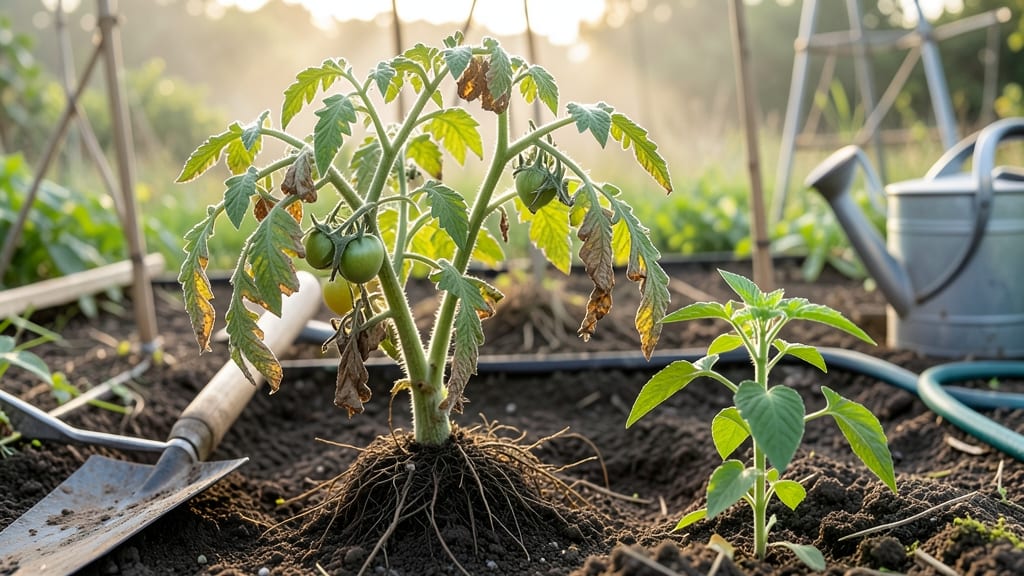
Your tomato plant wilting after transplant isn’t a death sentence—it’s a call for quick action. 🌱 I’ve nursed back more than a dozen plants from this exact problem, and the fix is simpler than you’d think.
The first 48 hours after transplanting are critical, and what you do (or don’t do) determines whether your plant recovers or declines.
Most wilting stems from two things: root damage during transplanting or sudden environmental stress. Plants often look fine in the nursery but crash when exposed to wind, direct sun, or inconsistent watering. The good news? You can reverse this with a few targeted steps—no fancy tools or green thumbs required.
Start by giving your plant a deep watering right away, then move it to partial shade for 2-3 days. Check the soil—if it’s bone-dry or waterlogged, that’s your culprit. A simple soil check and adjustment can make all the difference in whether your plant perks up or keeps wilting.
Once you’ve stabilized the plant, focus on gentle care for the next week: water at the base (not overhead), avoid fertilizing, and keep it sheltered from harsh afternoon sun. With these steps, you’ll see new growth within 5-7 days—and your plant will be stronger than ever.
Root Shock & Transplant Trauma
When your tomato seedlings take a nosedive after transplanting, the most likely culprit is transplant shock—a physiological stress response triggered by the sudden disruption of roots.
Even with gentle handling, roots experience physical damage, water loss, and nutrient starvation during the move. Here’s why it happens and how to spot the signs:
Tomato roots are delicate, especially when young. Physical trauma—like compacting soil, bending roots, or tearing them during removal—disrupts the root system’s ability to absorb water and nutrients. Even minor damage can cause:
- Reduced water uptake: Roots act like straws, pulling moisture from the soil. Damaged roots can’t function efficiently, leading to wilting.
- Oxidative stress: Broken root cells release enzymes that trigger cell death, further weakening the plant’s stability.
- Fungal entry points: Open wounds invite pathogens like Pythium or Fusarium, which thrive in stressed plants.
Pro tip: 💡 Always water the soil 1–2 days before transplanting to loosen roots naturally. Use a spade or trowel to dig a wide hole (twice as wide as the root ball) to minimize root disturbance.
Transplanting exposes roots to air and light for the first time, causing rapid water loss through evaporation. Meanwhile, the plant’s vascular system struggles to adjust to the new soil environment, leading to:
- Osmotic imbalance: Cells lose turgor pressure (the "plumpness" that keeps stems rigid) as water exits faster than roots can replenish it.
- Stomatal closure: Leaves detect stress and shut their pores to conserve water, but this also halts gas exchange—starving the plant of CO₂ for photosynthesis.
- Root desiccation: Exposed roots dry out within 15–30 minutes if not replanted immediately.
Pro tip: 🌡️ Transplant in the late afternoon or on a cloudy day to reduce evaporation. Mist roots with water before and after planting to maintain hydration.
Even rich soil can’t instantly compensate for the nutrient and microbial disruption after transplanting. Key issues include:
- Microbial disruption: Beneficial fungi (like mycorrhizae) and bacteria in the original soil help roots absorb nutrients. These take 2–4 weeks to re-establish in new soil.
- Compacted or mismatched soil: Heavy clay or sandy soil can suffocate roots or fail to retain moisture, worsening stress.
- Lack of starter fertilizer: Seedlings deplete root-zone nutrients during the move, leaving them hungry for phosphorus and potassium (critical for root regrowth).
Pro tip: ✨ Amend the planting hole with compost or a balanced fertilizer (5-10-10 ratio) before transplanting. For container-grown tomatoes, add perlite or vermiculite to improve aeration.
Tomatoes thrive in 60–85°F (15–29°C), but post-transplant stress spikes when:
- Temperature swings: Hot sun or cold winds double water loss through transpiration while roots can’t keep up.
- Wind exposure: Unshielded plants lose moisture 30% faster due to air currents drying leaves.
- High humidity fluctuations: Low humidity increases osmotic stress, while sudden rain can waterlog roots if drainage is poor.
Pro tip: 🎯 Use shade cloth (30–50%) for the first 3–5 days after transplanting. Mulch heavily (2–3 inches) to stabilize soil temperature and retain moisture.
Understanding these triggers helps you diagnose and fix the issue fast. Next, we’ll cover immediate revival steps to get your tomatoes back on track!
Revive Your Tomato Plants Now
Wilted tomato plants after transplanting can feel like a heartbreaking setback, but with the right care, you can nurse them back to health—and even prevent future stress. Below are targeted solutions for the most common causes of wilting, along with easy-to-follow fixes and prevention tips to keep your plants thriving.
If your tomatoes are wilting due to soggy soil or root rot, act fast to improve drainage and reduce excess moisture.
How to Fix It:
- 🔥 Check the Soil: Stick your finger 1–2 inches deep. If it feels muddy or waterlogged, drainage is the issue.
- 🍳 Amend the Soil: Mix in coarse sand, perlite, or compost to improve aeration. Aim for a well-draining potting mix (50% compost, 30% perlite, 20% coconut coir).
- 👨🍳 Elevate the Plant: If in containers, ensure pots have drainage holes and use elevated trays to catch excess water.
- ⏰ Adjust Watering: Water deeply but infrequently—only when the top 1–2 inches of soil are dry. Early morning is best to prevent fungal growth.
💡 Prevention Tip: Use mulch (straw or shredded leaves) to retain moisture without suffocating roots. Avoid over-potting—too much soil stays damp too long.
Tomatoes wilt after transplanting due to root disturbance or sudden environmental changes. Give them time and support to adjust.
How to Fix It:
- 🥘 Shield from Stress: Move plants to a shady spot for 3–5 days to reduce stress while roots re-establish.
- 🔪 Prune Damaged Roots (Optional): If roots look black/mushy, trim them with sterilized scissors before replanting in fresh soil.
- 🌱 Fertilize Lightly: Use a balanced, water-soluble fertilizer (like 10-10-10) at half-strength 1–2 weeks post-transplant to boost recovery.
- 💧 Water at the Base: Avoid wetting leaves to prevent disease. Use a soaker hose or drip irrigation for deep hydration.
💡 Prevention Tip: Hardening off seedlings (acclimating them to outdoor conditions over 7–10 days) reduces shock. Transplant on a cloudy day or late afternoon to minimize sun stress.
Wilting can signal sap-sucking pests (aphids, spider mites) or fungal/bacterial infections (early blight, Fusarium wilt).
How to Fix It:
- 🔥 Identify the Culprit:
- Pests? Look for sticky residue (honeydew), webs, or tiny bugs on stems/leaves.
- Disease? Check for yellow spots, wilting patterns, or blackened stems.
- 🍳 Treat Pests:
- Neem oil spray (1 tsp neem oil + 1 tsp mild soap per quart of water) for aphids/mites.
- Introduce beneficial insects (ladybugs, lacewings) for natural control.
- 👨🍳 Treat Disease:
- Copper fungicide for early blight (spray every 7–10 days).
- Remove infected leaves and sterilize tools with rubbing alcohol.
- Improve airflow by pruning lower leaves and spacing plants 18–24 inches apart.
💡 Prevention Tip: Rotate crops yearly to prevent soil-borne diseases. Use resistant varieties (e.g., ‘Mountain Merit’ for Fusarium wilt).
Tomatoes wilt in intense heat (above 90°F) or sudden temperature swings, causing transpiration stress.
How to Fix It:
- 🥘 Provide Shade: Use shade cloth (30–50%) during peak sun (11 AM–3 PM).
- 💧 Increase Water Frequency: Water early morning and late evening to keep soil moist.
- 🌱 Mulch Heavily: Use black plastic or straw mulch to insulate roots and retain moisture.
- 🎯 Adjust Staking: If plants are top-heavy, stake or cage them to prevent stem collapse.
💡 Prevention Tip: Choose heat-tolerant varieties like ‘Solar Fire’ or ‘Heatmaster.’ Avoid transplanting in midday heat—opt for early morning or evening.
If roots are circling the pot or soil is too dense, they struggle to absorb water and nutrients.
How to Fix It:
- 🔪 Gently Loosen Roots: If repotting, tease out roots with your fingers to encourage spreading.
- 🍳 Repot if Needed: Move to a larger container (1–2 inches bigger in diameter) with fresh, airy soil.
- 👨🍳 Add Organic Matter: Mix in compost or worm castings to improve soil structure.
💡 Prevention Tip: Upgrade pots gradually—tomatoes need at least 5-gallon containers for mature plants. Avoid plastic pots that retain too much heat.
For severely wilted but salvageable plants, try the "Root Dip" method:
- 🌱 Trim damaged roots (if any).
- 💧 Soak roots in water + 1 tsp honey (natural antifungal) for 10 minutes.
- 🍳 Plant in fresh, moist soil and keep shaded for a week.
Final Reminder: Wilting after transplant is often temporary—with the right care, your tomatoes will bounce back stronger. Monitor daily, adjust as needed, and soon you’ll be harvesting juicy, sun-ripened fruit! 🍅🌿
Frequently asked questions
Why does my tomato plant wilt immediately after transplanting?
The most common cause is transplant shock from root disturbance or sudden exposure to sunlight/wind. Roots take 24–48 hours to adjust to their new environment. To help, water deeply right after transplanting and move the plant to partial shade for 3–5 days while roots recover.
How long should I wait before fertilizing a wilted tomato plant?
Wait 2–3 weeks after transplanting before applying fertilizer. Damaged roots can’t absorb nutrients efficiently, and fertilizer stress can worsen wilting. Start with a balanced, diluted fertilizer (5-5-5) at half-strength to encourage recovery.
Can I save a tomato plant that’s been wilting for over a week?
Yes, but act fast! First, check for root rot (black, mushy roots) or pests. If roots are healthy but wilted, trim any damaged foliage, repot in fresh soil, and keep it in shade with consistent moisture. Most plants recover in 7–10 days with proper care.
Should I prune my tomato plant if it’s wilting?
Only prune dead or yellowing leaves—never healthy growth. Removing too much foliage stresses the plant further. Focus on supporting the plant (staking/caging) and watering at the base to help it recover without additional strain.
What’s the best time of day to transplant tomatoes to avoid wilting?
Transplant in the late afternoon or on a cloudy day to minimize sun stress. Avoid midday heat, which causes rapid water loss through leaves while roots struggle to absorb moisture. Early morning is the second-best option.