
Planting
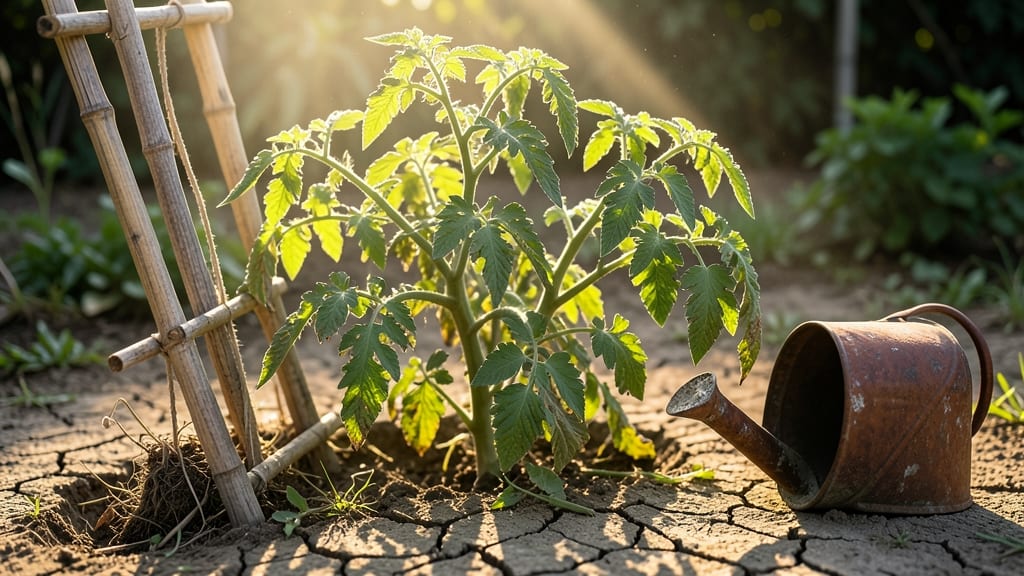
Your tomato plants wilting in the sun isn't a death sentence—it's a call for shade-smart adjustments. 🌿 After watching my own plants droop under the midday glare last summer, I learned the right shade tricks can bring them back in hours, not days.
The key? Understanding when wilting means thirst, stress, or outright sunburn—and how to fix it fast.
Most wilting happens between 10 AM and 4 PM when temperatures climb past 85°F. Plants either can't absorb water fast enough or their leaves burn from too much direct light.
My go-to fix? Drip irrigation at the base combined with a lightweight shade cloth (30-50% block) over the hottest hours. For instant relief, mist the leaves with cool water—it buys you time while you adjust their environment.
Within 24 hours, you'll see recovery if the roots are still healthy. Focus on morning sun only for the next few days, then gradually reintroduce afternoon light. Heat-tolerant varieties like 'Solar Fire' or 'Heatmaster' handle these conditions better, but even regular tomatoes bounce back with the right care.
Think of it as giving your plants a midday siesta.
Prevention is easier than recovery: mulch heavily with straw, water deeply in the morning, and avoid overhead sprinklers. If your tomatoes keep wilting, it might be time to move them to a partial-shade spot—your future harvest will thank you. Let's get those plants perking up!
Root Causes Of Midday Wilting
Understanding why your tomato plants wilt under the sun is the first step to saving them. Wilting isn’t always a sign of doom—it’s often a cry for help from your plants.
Let’s break down the key reasons your tomato plants might be struggling in the heat, so you can address the issue fast.
Tomatoes thrive in sunlight, but too much direct sun—especially during peak hours (10 AM–4 PM)—can scorch their leaves and roots. When temperatures climb above 90°F (32°C), the plant’s stomata (tiny pores on leaves) close to conserve water.
This slows photosynthesis and causes wilting as the plant struggles to regulate its temperature.
Why it happens:
- Leaf scorch: Sunlight reflects off the soil, creating a "heat dome" that bakes leaves from below.
- Root stress: High soil temperatures (above 85°F/29°C) reduce water and nutrient uptake, even if the soil looks moist.
- Transpiration overload: Plants lose water faster than roots can absorb it, leading to temporary wilting.
Actionable fix: Provide partial afternoon shade (30–50%) using shade cloth or a temporary trellis with a light canopy.
Wilting in the sun is often a water-related emergency.
Even well-watered plants can wilt if: - Water evaporates too fast (high winds + heat = rapid moisture loss). - Roots can’t absorb enough due to compacted or dry soil. - Salt buildup from over-fertilization or poor irrigation clogs root zones.
Why it happens:
- Surface drying: Only the top inch of soil stays wet, while deeper roots (where tomatoes draw most water) remain dry.
- Osmotic shock: If you water deeply but infrequently, roots struggle to adjust to sudden hydration changes.
- Root rot vs. drought: Too much water in heat can suffocate roots, while too little causes wilting—both look the same!
Actionable fix:
- Water deeply (1–2 inches per week) in the early morning to reduce evaporation.
- Use mulch (straw or wood chips) to retain moisture and cool roots.
- Check soil moisture with your finger—if the top 2 inches are dry, it’s time to water.
Wilting can also signal an invisible threat—pests or pathogens weakening your plant’s vascular system. Common culprits include:
- Aphids/spider mites (sap-sucking pests that disrupt nutrient flow).
- Fungal wilts (like Fusarium or Verticillium) that clog xylem vessels.
- Root-knot nematodes (microscopic worms that damage roots).
Why it happens:
- Blocked water transport: Pests or fungi create physical blockages in the plant’s plumbing, causing sudden wilting even with adequate water.
- Toxin buildup: Some pathogens release toxins that force stomata to close prematurely.
- Secondary stress: Weakened plants are more susceptible to heat stress after an infestation.
Actionable fix:
- Inspect leaves and stems for holes, webbing, or discoloration.
- Treat with neem oil (for pests) or copper fungicide (for wilts).
- Replace heavily infested soil if nematodes are suspected.
If your tomato’s roots are smothered—whether by waterlogged soil or compacted earth—they can’t absorb oxygen or nutrients, leading to wilting. This is especially true in clay-heavy or overly fertile soils.
Why it happens:
- Anaerobic roots: Waterlogged soil cuts off oxygen, causing roots to "drown" and release toxins.
- Root suffocation: Compacted soil restricts growth, leaving fewer roots to support the plant.
- Nutrient imbalance: Too much nitrogen (common in fertilizers) burns roots, while poor drainage leads to salt buildup.
Actionable fix:
- Amend soil with compost or perlite to improve aeration.
- Raise beds if your garden has poor drainage.
- Aerate roots gently with a fork if planting in containers.
Newly planted tomatoes (or those with disturbed roots) are extremely vulnerable to wilting in heat. Even a slight root injury during transplanting can slow recovery.
Why it happens:
- Root pruning: Cutting roots during transplanting reduces the plant’s ability to absorb water.
- Delayed acclimation: Plants need 7–10 days to adjust to new conditions; heat accelerates stress.
- Shock from handling: Roughly moved plants may have microscopic tears in roots or stems.
Actionable fix:
- Transplant in early morning or evening to avoid midday heat.
- Water thoroughly before and after moving plants.
- Use root stimulants (like mycorrhizal fungi) to speed recovery.
Sometimes, wilting is due to external conditions you can’t control immediately:
- Heatwaves or drought (prolonged dry spells).
- High humidity + heat (traps moisture but reduces airflow, encouraging disease).
- Windburn (dries leaves faster than roots can replace water).
Why it happens:
- Evaporative stress: Humid air can’t hold moisture, so plants lose water rapidly.
- Wind desiccation: Strong winds strip moisture from leaves before roots compensate.
- Heat domes: Urban areas or greenhouses can trap heat, creating microclimates hotter than outdoor temps.
Actionable fix:
- Mist leaves lightly in extreme heat (early morning only).
- Windbreaks (like burlap or plant barriers) reduce stress.
- Move containers to shadier spots during heatwaves.
Revive Your Tomato Plants Fast
When your tomato plants start wilting under the blazing sun, quick action can make all the difference. Below are practical, step-by-step solutions tailored to the most common causes—whether it’s heat stress, dehydration, or poor soil conditions.
Each fix is designed to restore your plants to full vigor while keeping future wilting at bay.
Signs: Yellowing leaves, crispy edges, or leaves curling upward like a taco.
How to Fix It: ✅ Provide Immediate Shade 🌿 Move potted plants to a partial shade spot (east or north-facing) for 3–5 days. If in-ground, drape lightweight shade cloth (30–50% coverage) over them. Avoid full shade—tomatoes still need 4–6 hours of sunlight daily to thrive.
✅ Mulch Like a Pro 🌡️ Spread 2–3 inches of organic mulch (straw, wood chips, or grass clippings) around the base of the plant. This keeps roots cool and moist while blocking harmful UV rays. Pro tip: Wet the mulch before applying—it’ll hold moisture longer!
✅ Fog or Mist Leaves 💦 Use a fine mist spray bottle to lightly dampen leaves in the early morning or late evening. This mimics natural dew and cools the plant down. Avoid overhead watering in peak sun—it can cause leaf scorch.
✅ Prune Damaged Foliage ⏰ Snip off sunburned or crispy leaves with clean pruners. This helps the plant redirect energy to healthy growth. Focus on lower leaves first, as they’re most susceptible to heat damage.
Signs: Wilting that improves with watering, but returns quickly; dry soil 1–2 inches deep.
How to Fix It: ✅ Water Deeply, Not Superficially 👨🍳 Tomatoes need 1–2 inches of water per week, but deep soaking (1–2 times per week) beats frequent shallow watering. Use a soaker hose or drip irrigation to deliver water slowly at the base. Timing matters: Water early morning (6–8 AM) to reduce evaporation.
✅ Check Soil Moisture Like a Detective 🕵️ Stick your finger 1–2 inches into the soil. If it’s dry, water immediately. If it’s damp, wait another day. Overwatering is just as deadly as underwatering—it suffocates roots!
✅ Boost Soil Retention 🌱 Amend your soil with compost or coconut coir to improve water-holding capacity. For container plants, mix in hydrogel crystals (soak them first!) to lock in moisture. Bonus: This also prevents soil from drying out too fast in scorching heat.
✅ Use a Reflector Shield ✨ Place a white reflective board or aluminum foil on the south or west side of your plants. This bounces sunlight away while reducing heat stress on leaves. DIY hack: Use a clean, unbreakable mirror propped up at an angle.
Signs: Wilting that persists even after watering; mushy stems or roots; yellowing lower leaves.
How to Fix It: ✅ Test Your Soil’s Drainage 📊 Fill a jar with soil and water, then shake. If water drains in under 10 seconds, your soil is fine. If it takes longer than 30 seconds, amend with perlite, sand, or vermiculite to improve aeration.
✅ Repot or Loosen Soil 🔪 For container plants, repot into a larger container with fresh, well-draining potting mix. For in-ground plants, gently loosen soil around the roots with a fork (be careful not to damage them!). Add compost or aged manure to enrich the soil.
✅ Fertilize Smartly 💪 Wilting from nutrient deficiency? Feed your plants with a balanced fertilizer (10-10-10 or 5-5-5) diluted to half-strength. Avoid high-nitrogen fertilizers—they promote leafy growth but weaken roots. Fish emulsion or seaweed extract are great organic options.
✅ Try the "Root Dip" Trick 🌊 If roots look shriveled or blackened, soak them in room-temperature water mixed with a rooting hormone (or 1 tsp honey per gallon of water) for 10–15 minutes before replanting. This jumpstarts recovery!
Want to keep your tomatoes lush and wilting-free? Follow these long-term strategies:
💡 Choose Heat-Tolerant Varieties 🌡️ Opt for heat-resistant tomatoes like ‘Solar Fire,’ ‘Heatmaster,’ or ‘Arkansas Traveler.’ These breeds handle 90°F+ temps like champs.
💡 Adjust Planting Times ⏰ In hot climates, start seeds indoors 6–8 weeks before the last frost, then transplant in late spring or early summer to avoid peak heat.
💡 Use Row Covers or Cloche 🛡️ Lightweight floating row covers or mini greenhouses (cloches) protect young plants from sudden heat spikes while still allowing sunlight.
💡 Mulch Year-Round 🌿 A thick mulch layer (3+ inches) keeps roots cool in summer and insulated in winter. Just refresh it every few months.
💡 Monitor Weather Alerts 📱 Sign up for local weather alerts to prepare for heatwaves. If a 100°F+ day is forecasted, pre-water plants the night before and provide extra shade.
Final Thought: Most wilting is temporary—your tomatoes can bounce back with the right care! Start with shade and deep watering, then address root or nutrient issues. Before you know it, you’ll be harvesting plump, juicy tomatoes instead of wilting sad plants. 🍅🔥
Frequently asked questions
Why do tomato leaves curl upward when wilting in the sun?
Tomato leaves curl upward (a condition called "heat stress") when stomata close to conserve water during extreme heat. This reduces surface area to minimize moisture loss. The curling also helps reflect excess sunlight away from the plant's core. Think of it as your plant's way of creating temporary shade for itself!
How quickly can tomato plants recover from sun-induced wilting?
With immediate care, most tomato plants show visible recovery within 24-48 hours. Focus on providing afternoon shade, deep watering at the base, and removing damaged leaves. For severe cases, recovery may take up to 5-7 days, but the plant can often bounce back completely if the roots remain healthy.
Is it safe to use household items for shade instead of buying shade cloth?
Yes! You can use lightweight materials like white bedsheets, cheesecloth, or even old window screens to create temporary shade. Avoid plastic sheets which can trap heat. Drape them loosely over plants to allow airflow while blocking about 30-50% of sunlight during peak hours (10 AM-4 PM).
Can overwatering cause wilting in hot weather?
While it seems counterintuitive, overwatering in heat can suffocate roots by creating waterlogged soil that blocks oxygen. This prevents roots from absorbing nutrients and water efficiently. Always check soil moisture by sticking your finger 1-2 inches deep—if it's damp, wait before watering again.
What's the best time of day to water tomato plants in extreme heat?
Water your tomato plants early morning (6-8 AM) when temperatures are cooler and evaporation is lowest. This gives roots time to absorb moisture before the midday heat. Avoid evening watering as it can promote fungal diseases in humid conditions. Aim for 1-2 inches of water per week, delivered slowly at the base.