
Plants
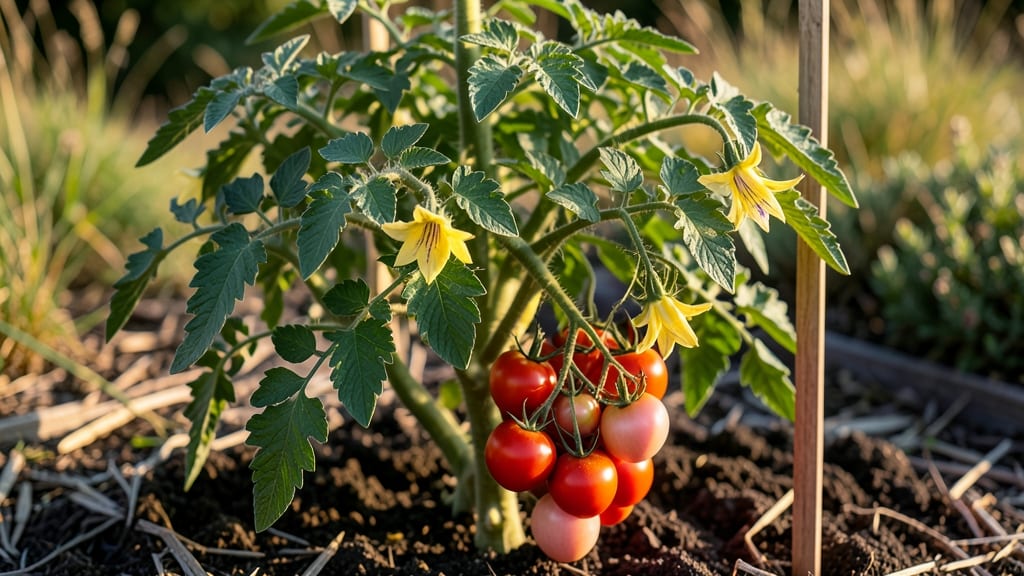
Your tomato plants shouldn’t look like they’ve been through a swamp—tomato plant rot is fixable, and I’ll show you how in just three steps. 🌱 The moment I spotted those dark, mushy spots on my heirloom tomatoes, I knew it was time to act before the whole plant turned to mush.
Overwatering, poor airflow, or fungal infections like early blight are usually the culprits. The good news? You can stop the rot by adjusting watering habits, pruning infected leaves, and applying a simple organic fungicide. No fancy tools or expensive treatments—just a few targeted fixes that work.
Within days, you’ll see new growth pushing through, and your plants will bounce back stronger than ever. The key is acting fast and keeping the soil dry while giving your tomatoes room to breathe. With these steps, you’ll save your harvest—and your sanity.
This method works for both backyard gardens and container-grown tomatoes. Let’s get those plants back in fighting shape before the season slips away.
Root Causes Of Plant Decline
When your tomato plants start wilting, yellowing, or developing mushy spots, it’s often a sign of rot—but not all rot is the same. Understanding the why behind it helps you stop the problem before it spreads.
Below are the most common culprits, broken down by their scientific triggers and real-world conditions.
Tomatoes are thirsty plants, but too much water is a fast track to rot. When soil stays soggy for days, oxygen can’t reach the roots, creating the perfect environment for Phytophthora (a water-loving fungus) and Pythium (a soilborne pathogen). These microbes thrive in waterlogged conditions, attacking roots and stems.
🔍 Signs to watch for:
- Wilting even when soil feels moist
- Dark, mushy stems at the base
- Yellowing leaves that spread upward
💡 Why it happens:
- Compacted soil prevents water from draining, trapping moisture near roots.
- Clay-heavy soil holds water like a sponge, suffocating roots.
- Overzealous watering (e.g., daily deep soaks) without drying periods.
Fungi like Fusarium and Verticillium don’t need waterlogging—they just need high humidity and warmth. These pathogens enter through wounds (like pruning cuts) and clog plant vessels, blocking water and nutrients. The result? Vascular wilt—where leaves droop and stems turn brown.
🔍 Signs to watch for:
- Yellowing veins in leaves (early stage)
- Stems that snap easily when bent
- Wilting that worsens in heat
💡 Why it happens:
- Poor airflow in dense plantings or greenhouses traps moisture.
- Nighttime dew + warm days create fungal-friendly conditions.
- Infected soil or tools spread spores from previous crops.
Insects like hornworms, aphids, and cutworms don’t cause rot directly—but their feeding injures plants, creating entry points for rot-causing microbes. Chewed stems and roots can’t heal properly, making tomatoes vulnerable to secondary infections.
🔍 Signs to watch for:
- Holes in leaves or missing chunks of fruit
- Black, slimy trails on stems (slugs/snails)
- Stunted growth despite good care
💡 Why it happens:
- Lack of pest control lets insects thrive unchecked.
- Stressed plants (from drought or poor soil) attract pests.
- Organic matter buildup (like mulch piles) shelters pests.
Next up: How to diagnose which type of rot is attacking your tomatoes—and how to treat it before it’s too late. 🚀
Revive Your Tomatoes Fast
Tomato plant rot—whether from fungal blights, bacterial infections, or environmental stress—can feel like a death sentence for your garden. But don’t toss those plants just yet! With the right approach, you can stop the spread, save your harvest, and even prevent future outbreaks.
Below, we break down cause-specific fixes, step-by-step solutions, and proactive tips to keep your tomatoes thriving.
Fungal blights thrive in wet, humid conditions and show up as brown, crusty spots on leaves or stems. If left unchecked, they’ll mow down your plants in weeks.
🔥 Step 1: Prune & Remove Infected Parts
- 👨🍳 Grab pruners (sterilize with rubbing alcohol first!) and cut off all diseased leaves and stems—even if they’re just slightly spotted.
- 🗑️ Bag and toss infected plant debris far from your garden (composting spreads spores!).
- ✂️ Thin out crowded foliage to improve airflow—fungi love damp, shaded spots.
🍳 Step 2: Apply Fungicide (Natural or Store-Bought)
- 💡 DIY Spray: Mix 1 tbsp baking soda + 1 tsp dish soap + 1 gallon water in a spray bottle.
Apply every 7–10 days (especially after rain). - 🌡️ Copper Fungicide: For severe cases, use copper-based sprays (like Bordeaux mixture) as directed. - 🎯 Pro Tip: Spray early morning or late evening to avoid burning leaves in direct sun.
🌱 Prevention for Next Season
- 🔥 Plant resistant varieties (e.g., ‘Mountain Merit,’ ‘Defiant PhR’).
- ⏰ Space plants 18–24 inches apart for better airflow.
- 💦 Water at the base (not overhead) and avoid late-day watering (leaves stay wet overnight = fungus party).
These bacteria oozes yellow/green pus (spot) or wilts stems suddenly (wilt). Once infected, there’s no cure—only containment.
🔪 Step 1: Destroy Infected Plants Immediately
- 🗑️ Pull and burn (or deep-trench) all infected plants—bacteria linger in soil and spread via tools/water.
- 🧼 Sterilize tools with bleach water (1:10 ratio) or hydrogen peroxide (3%) between uses.
🍽️ Step 2: Adjust Growing Conditions
- 🌡️ Space plants wider (24+ inches) to reduce humidity.
- 💦 Use drip irrigation (never overhead watering).
- 🌱 Rotate crops—don’t plant tomatoes in the same spot for 3+ years.
🎯 Prevention for Next Year
- ✨ Solarize soil (cover with clear plastic for 4–6 weeks in summer to kill bacteria).
- 🌱 Plant companion crops like basil or marigolds (they deter pests that spread bacteria).
Mushy stems, yellowing leaves, and a foul smell? Your tomatoes are drowning in their own soggy soil.
💦 Step 1: Check the Soil
- 👅 Stick your finger 1–2 inches deep—if it’s cold and clumpy, you’re overwatering.
- 📊 Test drainage: Fill a container with potting mix, add water, and time how long it takes to drain. Ideal = 10–30 minutes.
🌱 Step 2: Revive the Roots
- ⏰ Stop watering immediately and let soil dry out for 3–5 days.
- 🔄 Repot (if in containers) into fresh, well-draining mix (add perlite or vermiculite).
- 🍄 Treat with mycorrhizal fungi (available at garden centers) to boost root health.
🎯 Prevention Tips
- 🔥 Use raised beds or containers for better drainage.
- 💧 Water deeply but infrequently (1–1.5 inches per week, depending on climate).
- 🌱 Mulch with straw (not plastic) to regulate moisture without suffocating roots.
If your tomato is half-dead but not yet gone, try this 24-hour survival kit:
- 💧 Trim back ⅓ of the plant to reduce water needs.
- 🍄 Sprinkle beneficial bacteria (like Bacillus subtilis) around the base.
- 🌡️ Move to a shadier, breezier spot (but still 6+ hours of sun).
- 💡 Add a slow-release fertilizer (like 5-10-10) to boost recovery.
Remember: The key to beating tomato rot is speed + prevention. Act fast, adjust habits, and next season’s harvest will be bigger, healthier, and blight-free! 🍅💪
Frequently asked questions
Why are my tomato plant leaves turning yellow and mushy?
Yellow, mushy leaves usually signal overwatering or root rot from poor drainage. Check if the soil stays soggy for days—tomatoes need well-draining soil. If roots look black and smelly, repot immediately in fresh mix with perlite.
Can I save a tomato plant with brown spots and wilting?
Yes, if it's early-stage fungal rot, prune infected leaves (sterilize tools first!) and spray with a baking soda mix (1 tbsp baking soda + 1 tsp dish soap per gallon of water). For bacterial wilt (pus-like spots), remove the plant entirely to prevent spread.
How often should I water tomato plants to prevent rot?
Water deeply 1-2 times per week (1-1.5 inches total) rather than daily shallow watering. Always water at the base, not overhead, to keep leaves dry. Use drip irrigation for containers to control moisture precisely.
What's the fastest way to sterilize garden tools after pruning rot?
Wipe tools with 70% isopropyl alcohol or soak in a 1:10 bleach-water solution for 5 minutes. Rinse and dry completely to prevent rust. Never share tools between healthy and infected plants!
Are there tomato varieties resistant to rot?
Yes! Look for blight-resistant varieties like 'Mountain Merit' or 'Defiant PhR'. These hybrids have genetic resistance to common fungal diseases. Pair them with proper spacing (18-24 inches apart) for maximum airflow.