
Planting
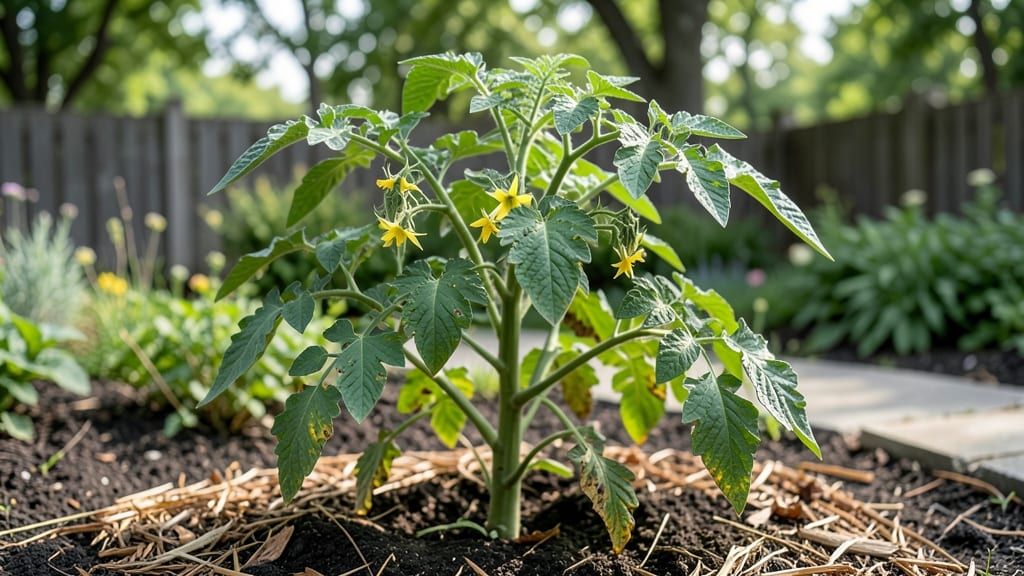
When tomato plants develop a foul smell, it’s usually a sign of overwatering, disease (like blight or root rot), or stress. This rotten or musky odor means your plants need urgent care—adjust watering, improve airflow, and treat with natural fungicides to restore their health.
That unpleasant tomato plant smell isn’t just annoying—it’s a red flag for serious issues. 🌱 Fungal infections like early blight or bacterial leaf spot release volatile compounds that create that rotten or damp odor, while overwatering creates anaerobic soil conditions that trigger the same stink.
The good news? Catching it early means you can often save your plants with simple fixes like neem oil sprays or better drainage.
Don’t ignore it—this isn’t just about aesthetics. A lingering odor means your tomatoes could be unsafe to eat, and the problem will only spread if left unchecked. The key is acting fast: prune affected leaves, space plants for airflow, and cut back on watering until the soil dries out completely.
💡 In This Article
- Why Tomato Plants Develop a Foul Smell
- Natural Remedies to Eliminate Tomato Plant Odors
Why tomato plants develop a foul smell
The rotten or musky odor from tomato plants comes from volatile organic compounds (VOCs) released during fungal infections or bacterial attacks. Early blight, for example, produces geosmin—a compound that smells like damp soil or rotting vegetation.
This happens when fungal spores (like Alternaria solani) break down plant tissue, releasing these foul-smelling byproducts. The infection typically starts on lower leaves, creating dark concentric rings that match the odor's intensity.
Overwatering creates anaerobic soil conditions that trigger another type of stink. When roots sit in waterlogged soil for more than 48 hours, beneficial aerobic bacteria die off, and anaerobic microbes take over. These microbes produce hydrogen sulfide and methanethiol—compounds that smell like rotten eggs or spoiled cabbage.
The plant's natural defense response also releases ethyl alcohol and acetaldehyde, which contribute to the fermented odor you notice.
Bacterial leaf spot (Xanthomonas perforans) adds a distinct slimy texture to leaves while emitting a sour, vinegary smell from acetic acid buildup. This condition thrives in 75-90°F temperatures with high humidity, where bacterial populations explode within 3-5 days.
The key difference? Fungal odors are often earthy or musty, while bacterial infections smell sharper and more acidic, similar to spoiled milk.
Stress from pests like aphids or spider mites also triggers odor production. These insects damage plant cells, prompting the release of green leaf volatiles (GLVs) that smell like freshly cut grass—but when combined with fungal/bacterial infections, the scent becomes overwhelmingly foul.
The plant's natural defense mechanism backfires, creating a chemical cocktail that signals distress to both you and nearby plants.
Here's what's happening at the cellular level: Infected cells release jasmonic acid, a stress hormone that accelerates VOC production. This is why pruning affected leaves often provides temporary relief—the plant stops "wasting" energy on damaged tissue.
However, if the root system is compromised (as in root rot), the odor will persist until you address the underlying waterlogging or fungal growth.
Think of it like a chemical alarm system: The stronger the smell, the more severe the infection. Early blight might start with a faint musty note, while full-blown root rot will fill your garden with a sewer-like stench from sulfur compounds.
The good news? Catching it early means you can often reverse the damage with simple adjustments—before the odor becomes permanent.