
Planting
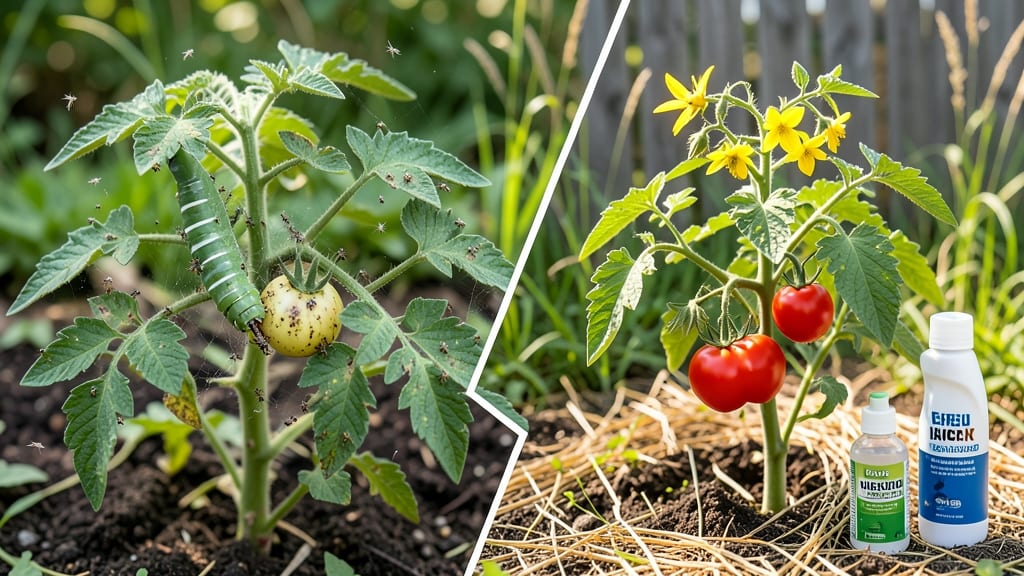
Your tomato plants' crinkled leaves aren’t just unsightly—they’re a distress call from hungry pests. 🌱 I’ve battled aphids, hornworms, and whiteflies turning my lush vines into skeleton leaves, and neem oil saved my harvest every time.
This isn’t just about spraying; it’s about stopping the damage before your plants throw in the towel.
The culprits? Tiny aphids sucking sap, hornworms devouring leaves overnight, or whiteflies leaving sticky residue. You’ll spot them as shiny bugs, chewed leaves, or a weird webby film on foliage.
The good news? Neem oil disrupts their life cycle faster than most sprays—often within 24 hours—without harming your plants or pollinators when used right.
By tomorrow morning, your leaves will unfurl again, and the pests will be history. The secret is timing: spray at dawn or dusk when bugs are active, and repeat every 5-7 days until the infestation disappears. Your tomatoes will bounce back stronger, and you’ll avoid the heartbreak of blighted fruit.
Works for greenhouses, containers, or in-ground gardens—just adjust the spray volume for your space. No more helplessly watching your harvest disappear. Let’s turn those crinkled leaves into a thing of the past.
Why it happens
Tomato plants may seem resilient, but they’re constantly under siege by pests that thrive in the right conditions. Understanding why these critters target your plants—and how environmental factors create the perfect storm for infestations—is the first step to reclaiming your garden. Let’s break down the science behind the chaos.
🌡️ Overheating & Stress from Extreme Heat
When temperatures soar above 90°F (32°C), tomato plants become weakened, making them prime targets for pests like aphids, spider mites, and whiteflies. High heat disrupts the plant’s natural defenses by:
- Reducing chlorophyll production: Leaves turn yellow or crispy, losing their ability to repel insects.
- Slowing sap flow: Aphids and other sap-suckers detect this as a "weak signal" and cluster in droves.
- Drying out foliage: Crispy leaves provide easy access for mites to burrow into the plant’s undersides.
Pro tip: 💡 Mulch with straw or wood chips to regulate soil temperature and retain moisture, creating a less hospitable environment for heat-loving pests.
💧 Water Woes: Too Much or Too Little
Pests love chaos, and inconsistent watering creates the perfect breeding ground. Here’s how moisture levels invite trouble:
| Issue | Pest Attraction | |
|---|---|---|
| Underwatering | Spider mites, thrips | Dry soil stresses plants, causing them to excrete sticky honeydew—a buffet for mites and ants. |
| Overwatering | Fungal gnats, slugs, root maggots | Soggy soil attracts moisture-loving pests and weakens roots, making plants vulnerable to secondary infestations. |
| Inconsistent watering | Aphids, whiteflies | Fluctuating moisture confuses the plant’s immune response, leaving it unable to fend off invaders. |
Pro tip: 🌡️ Water deeply once a week (or more in extreme heat) at the base of the plant to avoid wetting foliage—pests hate consistency!
🍄 Fungal Foes & Weakened Defenses
Fungal infections like early blight or powdery mildew don’t just yellow leaves—they open the door for pests. Here’s the chain reaction:
- Fungal spores create micro-tears in leaf tissue, releasing volatile organic compounds (VOCs) that attract aphids and whiteflies.
- Mildew alters leaf chemistry, making it easier for mites to pierce the epidermis.
- Root rot (from overwatering) starves the plant of nutrients, making it 3x more likely to suffer from secondary pest attacks.
Pro tip: ✨ Spray leaves with a baking soda solution (1 tsp baking soda + 1 quart water + a drop of dish soap) weekly to prevent fungal growth and deter pests.
🐛 Overcrowded Gardens & Poor Airflow
Tomatoes need space to breathe—literally. When plants are packed too tightly or shaded by overgrowth, humidity rises and airflow stalls. This creates a pest paradise because:
- Stagnant air traps heat and moisture, perfect for whiteflies and fungal gnats.
- High humidity (above 70%) encourages spider mites to multiply rapidly.
- Shady spots attract slugs and cutworms, which thrive in damp, dark conditions.
Pro tip: 🎯 Prune lower leaves to improve airflow, and space tomato plants 18–24 inches apart to reduce humidity pockets.
🌱 Nutrient Deficiencies & Hungry Invaders
A tomato plant starving for nitrogen, phosphorus, or potassium sends out distress signals that pests can’t resist. Here’s how malnutrition backfires:
- Low nitrogen → Pale, weak leaves → Aphids and flea beetles detect the lack of protein-rich sap.
- Low phosphorus → Stunted roots → Root maggots and nematodes exploit weakened defenses.
- Low potassium → Poor disease resistance → Whiteflies and mites move in post-haste.
Pro tip: 💪 Feed plants with a balanced fertilizer (10-10-10) at planting and again when flowers appear to keep them robust.
Fixing Foliage Fails Fast
Tomato plants are resilient, but pests like aphids, spider mites, and whiteflies can turn vibrant green leaves into crinkled, yellowed messes in no time. The good news? You don’t need a chemistry degree to fight back.
Below are practical, fast-acting solutions tailored to the most common culprits—plus prevention tips to keep your plants thriving long-term.
Signs: Sticky residue (honeydew), curled leaves, and clusters of tiny green/black bugs on stems and undersides.
🍳 Immediate Rescue (Neem Oil Blast)
- Mix your weapon: Combine 1 tbsp neem oil, 1 tsp mild liquid soap (like Castile), and 1 quart of water in a spray bottle. Shake well.
- Target the pests: Spray directly on infested areas (especially leaf undersides) in the early morning or evening (avoid direct sunlight—it burns leaves).
- Repeat: Apply every 3–5 days until aphids vanish. Neem oil disrupts their life cycle and repels future invaders.
👨🍳 DIY Traps & Manual Removal
- Soapy water spray: Fill a spray bottle with 1 tsp dish soap + 1 cup water. Blast aphids off leaves—they’ll drown instantly.
- Ladybugs to the rescue: Release beneficial insects (buy online or from garden centers).
Ladybugs love aphids and will clean up your plants naturally. - Prune & dispose: Snip heavily infested leaves and toss them in the trash (not compost—aphids spread there!).
💡 Prevention Tips
- Interplant with herbs: Basil, mint, and marigolds repel aphids with their strong scents.
- Encourage airflow: Crowded plants attract aphids. Space tomatoes 18–24 inches apart and prune suckers regularly.
- Yellow sticky traps: Hang these near plants to catch aphids mid-flight.
Signs: Tiny webs on leaves, bronze/yellow speckling, and leaves that look like they’ve been dusted with fine powder (mite feces).
🥘 Knock ‘Em Out with Oil Sprays
- Horticultural oil mix: Use pre-mixed horticultural oil (or DIY with 1 tbsp vegetable oil + 1 tsp soap per quart of water).
- Full-coverage spray: Focus on leaf undersides (mites hide there!).
Reapply every 5–7 days for 2–3 weeks. 3. Blast them off: For severe infestations, hose down plants with water to physically remove mites before spraying.
🌡️ Boost Humidity (Mites Hate It)
- Spider mites thrive in dry conditions. Use a hose to mist leaves daily or place a shallow tray of water near plants to increase humidity.
- Mulch heavily to retain soil moisture and deter mites.
🎯 Prevention Tips
- Rotate crops: Don’t plant tomatoes in the same spot yearly—mites build up in soil.
- Use reflective mulch: Silver plastic mulch confuses mites and reduces egg-laying.
- Introduce predatory mites: Phytoseiulus persimilis (sold online) are mite-eating mites—nature’s pest control!
Signs: Tiny white moth-like insects swarming when you disturb leaves, sticky honeydew, and yellowing leaves.
⏰ Yellow Sticky Traps + Neem Oil Combo
- Set traps early: Hang yellow sticky cards near plants to catch adult whiteflies.
- Neem oil spray: Mix 1 tbsp neem oil + 1 tsp soap per quart of water and spray top and bottom of leaves every 4–5 days.
- Cover & suffocate: For severe cases, cover plants with a lightweight row cover for 2–3 weeks to starve larvae.
🔪 Biological Control: Parasitic Wasps
- Encarsia formosa (a tiny wasp) lays eggs inside whitefly larvae, killing them. Order online or from garden centers—they’re harmless to humans and plants!
💡 Prevention Tips
- Inspect new plants: Whiteflies often hitchhike on transplants. Quarantine new plants for 1–2 weeks before adding them to your garden.
- Remove weeds: Whiteflies love weeds like milkweed and pigweed—keep your garden weed-free.
- Avoid over-fertilizing: Too much nitrogen attracts whiteflies.
Use a balanced fertilizer (10-10-10).
No matter the pest, these universal tips will keep your tomatoes strong and resistant: - Healthy soil = healthy plants: Amend soil with compost before planting for nutrient-rich growth. - Water at the base: Wet leaves attract pests.
Water early in the day so foliage dries quickly. - Crop rotation: Move tomatoes to a new spot every year to break pest cycles. - Companion planting: Basil, garlic, and onions naturally repel many tomato pests.
Pro Tip: 🌟 Act fast! The sooner you treat infestations, the easier and quicker the fix. A little neem oil, soap spray, and preventive care can save your harvest—and your sanity!
Frequently asked questions about tomato plant pests
What are the most destructive pests for tomato plants?
Aphids, spider mites, and whiteflies are the top troublemakers. Aphids suck sap causing curled leaves, spider mites create fine webbing, and whiteflies leave sticky honeydew. Hornworms also chew leaves aggressively, while cutworms attack stems at night.
How do I know if my tomato plant has pests?
Look for these signs: Sticky residue (honeydew), tiny webs on leaves, chewed holes, yellowing foliage, or visible bugs. Check leaf undersides first—most pests hide there! A magnifying glass helps spot mites and aphids.
Can I use neem oil on tomato plants with flowers?
Yes, but apply it at dusk when bees aren't active. Neem oil is safe for flowers and fruit once fully bloomed, but avoid spraying directly on open blossoms. The soap in homemade mixes helps break surface tension without harming beneficial insects.
What's the fastest way to stop a hornworm outbreak?
Handpick them at night when they're sluggish (they're huge and green!). Drop them in soapy water. For prevention, plant dill or fennel nearby—hornworm parasites (braconid wasps) love these plants and will find your tomatoes.
Will my tomato plants recover from severe pest damage?
Often yes! Prune damaged leaves immediately and focus on healthy growth. Strong plants bounce back faster. For heavy infestations, use horticultural oil and companion plants like basil to deter future pests while new leaves grow.