Planting
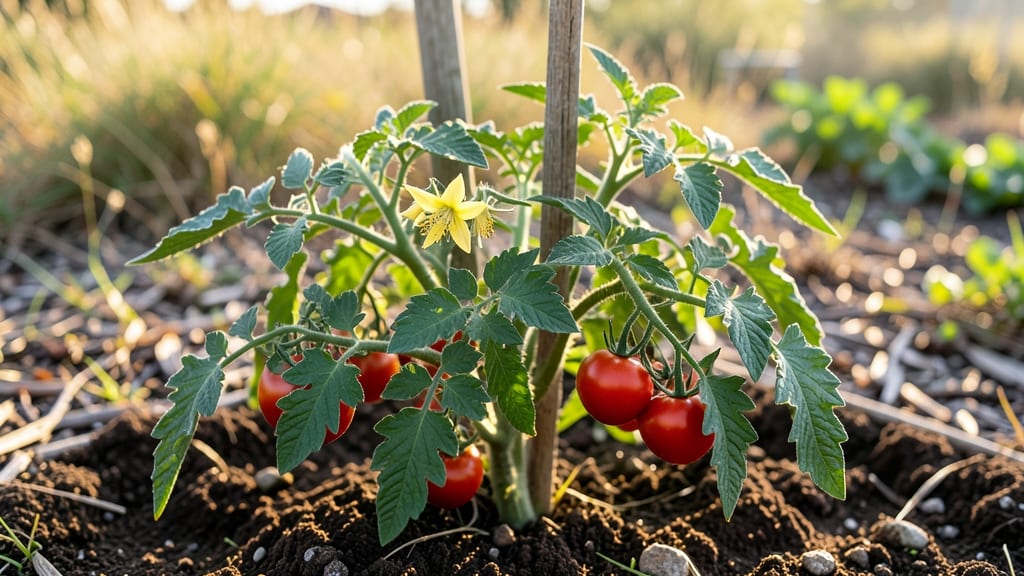
The lifespan of a tomato plant ranges from 90 to 120 days from planting to harvest, though some heirloom varieties can extend up to 150 days. This timeline reflects four critical growth phases—seedling, vegetative, flowering, and fruiting—each demanding specific care to sustain productivity before the plant naturally declines.
Understanding this timeline helps gardeners plan their planting schedule and care routines effectively. 🔥 The seedling stage, which lasts about 2-4 weeks, sets the foundation for the plant's future health, while the vegetative phase focuses on leaf and stem growth.
Proper pruning during this stage can extend the plant's lifespan by promoting better air circulation and reducing disease risk. What's fascinating is how temperature and sunlight directly impact these stages—too much heat can shorten the flowering phase, while consistent light ensures robust fruiting.
The key to maximizing a tomato plant's lifespan lies in selecting the right variety for your climate. Determinate tomatoes, which grow to a fixed size and produce fruit all at once, typically have shorter lifespans (around 70-80 days), while indeterminate varieties continue growing and producing fruit until frost.
Choosing the right type and providing consistent care—like regular watering, mulching, and balanced fertilization—can push those 150-day limits for heirloom varieties.
💡 In This Article
- Tomato Plant Growth Stages and Their Impact on Lifespan
- Extending Tomato Plant Lifespan: Pruning, Care, and Variety Selection
Tomato plant growth stages and their impact on lifespan
The tomato plant's journey from seed to harvest unfolds through four distinct stages, each with unique demands that directly influence its overall lifespan. The seedling stage (2-4 weeks) is where the plant establishes its root system and first true leaves.
During this phase, maintaining consistent moisture and providing 12-16 hours of light daily is critical—too little light causes leggy, weak stems that struggle to support future fruit. This stage sets the foundation for the plant's ability to transition into vigorous growth.
Next comes the vegetative stage, lasting 3-6 weeks, where the plant focuses on leaf and stem development. This is when you'll see rapid vertical growth, with some indeterminate varieties reaching heights of 6-10 feet.
Temperature plays a pivotal role here: ideal daytime temps of 70-80°F promote healthy growth, while nighttime temps below 55°F can stunt development. Proper pruning during this phase—removing suckers (side shoots) and lower leaves—prevents overcrowding and improves air circulation, which can extend the plant's lifespan by reducing disease risk.
The flowering stage (2-3 weeks) marks the transition to fruit production, where the plant diverts energy from leaf growth to blossoms. This phase is highly sensitive to temperature fluctuations: consistent temps above 55°F are essential, as cold snaps can cause blossom drop.
Pollination also becomes critical—hand-pollinating with a small brush can boost fruit set in greenhouses or rainy climates. The duration of this stage directly impacts the plant's lifespan, as prolonged flowering means delayed fruit ripening and potential stress from supporting heavy fruit loads.
Finally, the fruiting stage (4-8 weeks) is where the plant's lifespan culminates in harvest. During this phase, indeterminate varieties continue growing and producing fruit until frost, while determinate types focus all energy on a single harvest.
Watering consistency is paramount—fluctuations in soil moisture can lead to blossom-end rot or cracked fruit. Providing 1-2 inches of water weekly (more in extreme heat) ensures steady fruit development.
The plant's natural decline begins as it diverts energy to seed production in the fruit, which is why regular harvesting of ripe tomatoes encourages continued production.
What most gardeners don't realize is how environmental stress compounds across these stages. For example, a plant that experiences drought during the vegetative stage may never fully recover its growth potential, leading to a shorter fruiting period.
Conversely, a well-cared-for plant can extend its productive lifespan by 30-50 days through proper pruning, consistent watering, and selecting disease-resistant varieties. The interplay between these stages and external factors creates the delicate balance that determines whether a tomato plant thrives for 90 days or approaches 150 days.
Consider the example of heirloom varieties like 'Brandywine' or 'Cherokee Purple', which are bred for long seasons. These plants often reach their 150-day lifespan because they've been selected for disease resistance and prolonged flowering.
In contrast, hybrid varieties like 'Early Girl' may complete their lifecycle in just 60-70 days due to their compact, early-producing growth habit. Understanding these stage-specific requirements allows gardeners to tailor their care routines for maximum yield and plant longevity.