
Vegetables
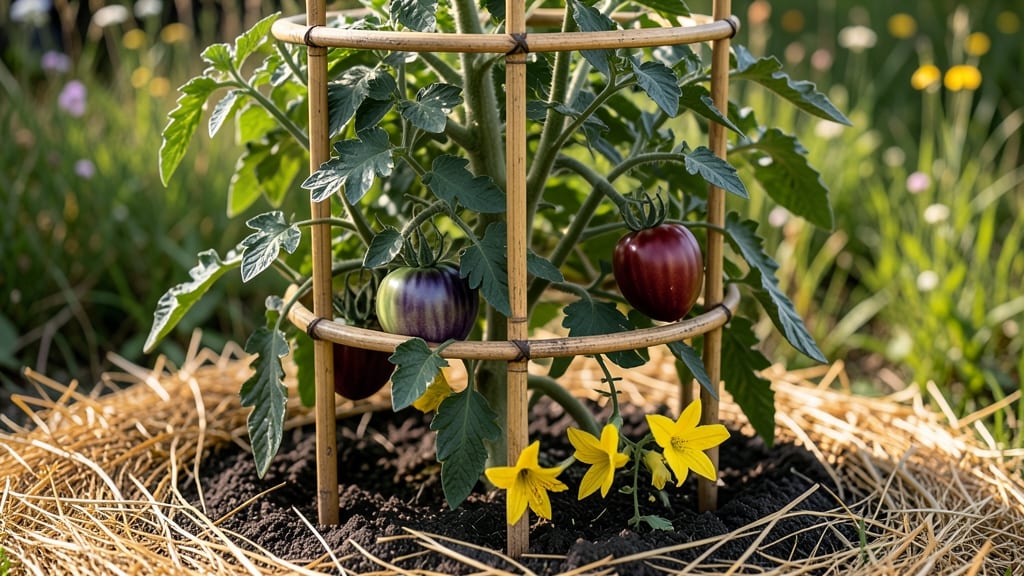
Deciding between determinate and indeterminate Cherokee Purple tomatoes could mean the difference between a single bumper crop and a season-long feast. 🌱 I’ve grown both, and the indeterminate version keeps producing rich, deep-purple fruit until frost—whereas determinate plants deliver all at once.
The choice affects everything from trellising to harvest timing, and I’m sharing which works best for your space and goals. Determinate Cherokee Purples grow as compact bushes, perfect for containers or small gardens, and ripen all fruit simultaneously—ideal for canning.
Indeterminate types climb vines, need sturdy support, and yield continuously, but require more pruning. Both types thrive in full sun and well-drained soil, but their growth habits change how you plan your garden layout.
You’ll end up with tomatoes so dark and rich they look like they’re dyed—whether you choose the steady stream of indeterminate plants or the all-at-once abundance of determinate ones. The key is matching the growth type to your space, time, and how you plan to use the harvest.
For busy gardeners, indeterminate vines offer a longer season, while determinate plants simplify small-space gardening. Either way, you’re getting flavor that rivals heirloom tomatoes from a specialty store.
📚 In This Guide
- What you need
- Instructions
- Tips and common mistakes
- Wrapping up and next steps
What you need
- ● Seeds or seedlings: Cherokee Purple tomato seeds (determinate or indeterminate—check seed packets!) or healthy 4-6 week-old transplants.
- ● Growing space: Determinate: 18-24" diameter containers or 18-24" spacing in-ground.
- ● Indeterminate: 5-gallon containers or trellises with 24-36" spacing in-ground.
- ● Soil: Well-draining, nutrient-rich potting mix (or compost-amended garden soil with a pH of 6.0–6.8).
- ● Fertilizer: Balanced organic fertilizer (e.g., 5-5-5 or 10-10-10) or compost tea for consistent feeding.
- ● Support structures (indeterminate only): Sturdy cages (5-6 ft tall), trellises, or tomato stakes.
- ● Mulch: Straw, grass clippings, or shredded leaves to retain moisture and suppress weeds.
- ● Hand trowel or transplanting spade (for planting seedlings).
- ● Watering can or hose with a gentle spray nozzle (avoid wetting leaves to prevent disease).
- ● Pruning shears (for indeterminate varieties—remove suckers and lower leaves).
- ○ Gloves (optional but helpful for handling prickly vines).
- ○ pH testing kit (optional but recommended for soil health).
- ● Warmth: Cherokee Purples thrive in temperatures between 70–85°F (21–29°C). Avoid planting until after the last frost (use row covers if needed).
- ● Sunlight: 6–8+ hours of full sun daily—no skimp here!
- ● Patience: Germination takes 7–14 days; harvest for determinate varieties in 70–80 days and indeterminate in 80–90+ days.
Step-by-step guide to choosing and growing Cherokee Purple tomatoes
Here’s how to maximize your Cherokee Purple harvest by selecting the right variety and mastering their care.
🌱 Step 1: Decide Between Determinate and Indeterminate Types
Cherokee Purple tomatoes come in both determinate (bush) and indeterminate (vining) forms. Determinate plants grow to 3-4 feet tall, producing fruit in a single flush over 6-8 weeks, making them ideal for containers or small gardens. Indeterminate varieties climb 6-10 feet and yield continuously until frost, perfect for trellises or tall cages.
I always choose determinate for early harvests and indeterminate for extended production. Observe your space: a 4-foot bush fits neatly in a 5-gallon container, while vining types need vertical support and more pruning. Both thrive in full sun but indeterminate plants require staking or caging to prevent sprawling.
☀️ Step 2: Plant in Well-Draining Soil with Full Sun Exposure
Cherokee Purples demand rich, well-draining soil with a pH of 6.0-6.8. Amend heavy clay with compost or aged manure to improve aeration. Plant seeds ¼ inch deep or transplants 12-18 inches apart for determinate types and 24-36 inches apart for indeterminate varieties, allowing room for sprawl.
They need 6-8 hours of direct sunlight daily—no compromise here. If your garden gets less, supplement with a grow light for 14-16 hours to prevent leggy growth. Watch for yellowing leaves on lower stems: this signals overwatering or poor drainage. Adjust irrigation immediately to keep soil moist but not soggy.
💧 Step 3: Water Deeply and Prune for Airflow
Water deeply 1-2 times per week, soaking the root zone to 12 inches—shallow watering stresses plants and splits fruit. Use drip irrigation to avoid wetting leaves, which reduces blight risk. Mulch with straw or shredded leaves to retain moisture and suppress weeds.
Prune determinate plants lightly to remove suckers (shoots between main stem and branches) and yellow leaves. Indeterminate types need regular pruning: remove suckers weekly and trim branches to 4-5 main stems for better airflow. You’ll see larger, fewer tomatoes on pruned plants—worth the effort for flavor and size.
✂️ Step 4: Harvest at Peak Ripeness for Best Flavor
Harvest Cherokee Purples when they’re deep purple-black with no green shoulders, typically 70-85 days after transplanting. Gently twist or cut stems to avoid damaging the plant. Determinate varieties produce a single heavy crop, while indeterminate types yield continuously until frost.
Store unripe tomatoes at room temperature until fully colored, then refrigerate for up to 2 weeks. Overripe fruit bruises easily—handle with care! If birds or pests become an issue, cover plants with floating row covers or netting early in the season. You’ll know it’s working when you see fewer pecked tomatoes and more intact fruit.
⏰ Step 5: Extend the Season with Fall Care
As temperatures drop below 50°F at night, protect plants with row covers or move containers to a sheltered spot. Indeterminate types may keep producing until a hard frost, while determinate plants finish their cycle. Save seeds from the best tomatoes by fermenting pulp in a jar for 3-5 days, then rinsing and drying them.
Compost plant debris after harvest to enrich next year’s soil. I always mark my garden beds with stakes after harvest to remember where Cherokee Purples thrived—and where I’ll plant them again. Their rich, meaty texture and sweet-tart flavor make the effort unforgettable.
Tips & tricks for perfect Cherokee Purple tomato growth
These insider strategies will help you avoid common pitfalls and maximize your harvest of these prized heirlooms.
Variety Selection: When choosing between determinate and indeterminate types, consider your growing season length. Determinate plants deliver a concentrated harvest in just 6-8 weeks, perfect for early summer or short seasons. Indeterminate varieties, however, reward patience with continuous production until frost—ideal if you want tomatoes from midsummer through fall. I've found that indeterminate plants often produce larger, fewer tomatoes when properly pruned, while determinate types yield more uniformly sized fruit.
Soil Preparation: Cherokee Purples thrive in soil with a pH of 6.0-6.8—test your soil before planting. If your garden soil is heavy clay, mix in compost or aged manure to improve drainage and aeration. I always work in a 5-gallon bucket of compost per plant to ensure they get the rich, fertile environment they crave. This variety is particularly sensitive to poor drainage, which can lead to blossom end rot.
Sunlight Strategy: While 6-8 hours of direct sunlight is the minimum, these tomatoes truly shine with full sun exposure. If your garden receives less, supplement with a grow light for 14-16 hours daily to prevent leggy growth. Position lights just above the plants to mimic natural sunlight patterns. I've noticed that plants receiving supplemental light develop more robust stems and produce fruit with deeper color intensity.
Pruning Precision: For indeterminate varieties, master the art of pruning by removing suckers weekly and maintaining 4-5 main stems. This focused approach improves airflow and directs energy toward larger fruit development. Determinate plants require less aggressive pruning—just remove suckers and yellow leaves. The key is consistency: I prune my indeterminate plants every Saturday morning, which keeps them healthy and productive throughout the season.
Pro Tips for Cherokee Purple Tomato Determinate Or Indeterminate
- These insider strategies will help you avoid common pitfalls and maximize your harvest of these prized heirlooms.
- Variety Selection: When choosing between determinate and indeterminate types, consider your growing season length. De...
- Soil Preparation: Cherokee Purples thrive in soil with a pH of 6.0-6.8—test your soil before planting. If your garden...
Frequently asked questions
Is the Cherokee Purple tomato determinate or indeterminate?
The Cherokee Purple tomato is typically indeterminate, meaning it grows continuously and produces fruit throughout the season until frost. However, some heirloom varieties or grafted plants may be sold as determinate—always check the seed packet or plant tag for specifics!
When should I expect my Cherokee Purple tomatoes to ripen?
Indeterminate Cherokee Purples usually take 70–85 days to mature from transplanting. Start harvesting in late summer, with peak ripeness in early fall. Patience pays off—their rich, deep color develops fully when fully ripe!
Can I grow Cherokee Purple tomatoes in containers?
Yes! Indeterminate varieties need 5-gallon+ containers with sturdy stakes or cages (they can grow 6+ feet tall). Use well-draining soil and fertilize regularly. Determinate types may thrive in smaller pots but still require support.
Why are my Cherokee Purple tomatoes cracking?
Cracking often happens due to uneven watering (too much after dry spells) or rapid growth. Keep soil consistently moist (not soggy) and mulch to retain humidity. Harvest overripe tomatoes promptly to reduce stress.
What’s a good alternative if I want determinate Cherokee Purple tomatoes?
If you prefer determinate types, try ‘Cherokee Purple Determinate’ (rare but available) or similar heirlooms like ‘Brandywine’ or ‘Black Krim’. These also offer rich flavors but produce fruit in one flush before stopping.
Wrapping up and next steps
Choosing between determinate and indeterminate Cherokee Purple tomatoes comes down to your garden space, time, and harvest goals. Determinate varieties offer quick, compact yields—perfect for small plots or containers—while indeterminate plants reward patience with continuous, vine-spanning bounty. Whichever you pick, your effort will be delicious!
Ready to grow? Start with healthy seeds or seedlings, prep your soil, and give these beauties the love they deserve. Plant your first Cherokee Purple today—your taste buds (and Instagram feed) will thank you! 🌱🍅