
Planting
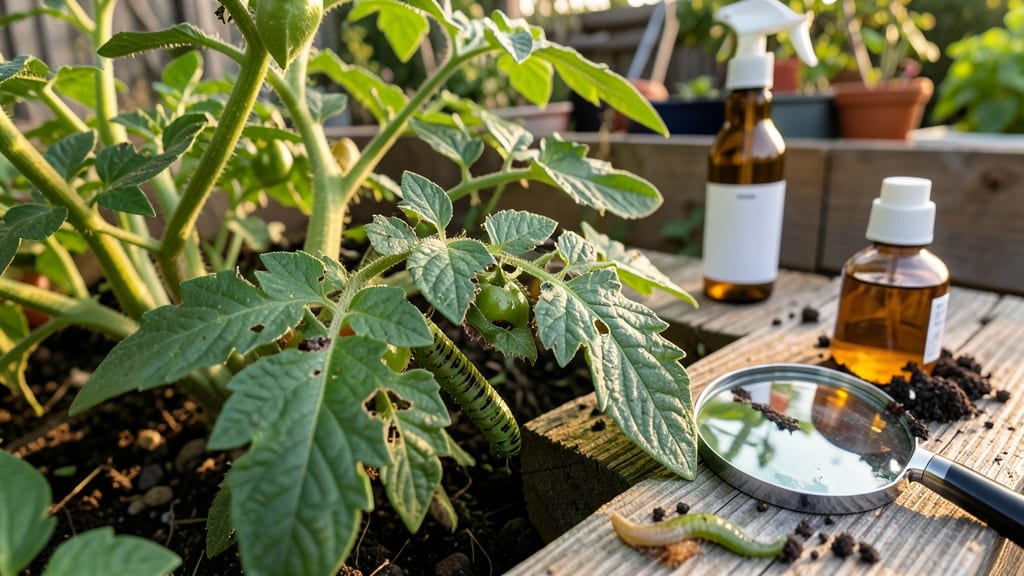
The eaten tomato plant leaves are sending an SOS—chewed edges and wilting vines mean trouble. 🌱 The culprits could be anything from ravenous tomato hornworms to sneaky deer, but the good news is you can turn this around with the right moves.
First, identify the attacker: look for jagged edges (slugs), skeletonized leaves (caterpillars), or clean bites (rabbits). Once you know who’s to blame, act fast—row covers, neem oil, or a simple beer trap can stop the damage before it spreads.
By the end of these three steps, your plants will bounce back with stronger growth and fewer holes. The key is acting before the pests move on to your peppers or eggplants. Works for backyard gardens, containers, and even balcony setups. Let’s save your harvest!
Root Causes Of Leaf Loss
When your tomato plant’s leaves start disappearing, it’s rarely a random act of nature—there’s almost always a specific trigger behind the damage. Understanding these causes is the first step to saving your plant.
Below, we break down the most common reasons why tomato leaves get eaten, along with the science behind each scenario.
Insects are the #1 culprit when it comes to tomato leaves being eaten. These pests don’t just nibble—they can devour entire leaves in days if left unchecked. Here’s how to spot them and why they target your plants:
- 🐛 Hornworms – These green caterpillars (often with white stripes) can strip a plant bare in one night. They’re drawn to tomato plants because they’re high in water content and nutrients, making them an easy meal. Pro tip: Look for black droppings on leaves—a dead giveaway.
- 🐞 Aphids & Whiteflies – These tiny sap-suckers cluster on the undersides of leaves, causing them to curl and yellow before falling off. They weaken the plant, making it vulnerable to disease. Soapy water sprays can knock them off quickly.
- 🦟 Spider Mites – Though they don’t eat whole leaves, their fine webbing and speckled damage can make leaves brittle and prone to falling. They thrive in hot, dry conditions, so mulching helps retain moisture.
- 🐞 Cutworms – These nocturnal pests sever leaves at the stem, leaving jagged edges. They’re most active at dusk, so check your plants then if leaves are mysteriously disappearing.
💡 Quick Fix: Handpick large pests like hornworms (they’re easy to spot!). For smaller insects, use neem oil or insecticidal soap—both disrupt their life cycles without harming beneficial bugs.
Not all leaf loss is from chewing—some pathogens rot or dissolve leaves from the inside out. These diseases thrive in wet, humid conditions and can spread rapidly if ignored.
- 🍄 Early Blight – Causes brown, concentric rings on leaves (like bullseyes) before they wither. The fungus Alternaria solani spreads via water splashes, so avoid overhead watering.
- 🍄 Late Blight – A more aggressive cousin of early blight, this fungus creates greasy-looking spots that turn black. It’s highly contagious and can destroy a plant in weeks.
- 🦠 Bacterial Spot – Tiny, water-soaked lesions appear on leaves, oozing bacteria that spread with rain. Copper fungicides can help, but prevention (like removing infected leaves) is key.
- 🍄 Powdery Mildew – While it doesn’t eat leaves, this white, powdery fungus weakens them, causing premature drop-off. It loves shady, humid spots, so improve airflow.
🔥 Prevention Tip: Space plants 3–4 feet apart for airflow, and water at the base (never the leaves) to reduce fungal spores.
Sometimes, leaves don’t get eaten—they wilt, yellow, or drop due to environmental factors that stress the plant. Tomato plants are sensitive to:
- 💦 Overwatering or Underwatering
- Too much water: Leads to root rot, cutting off oxygen and causing leaves to turn yellow and fall.
- Too little water: Causes wilting and leaf drop as the plant conserves moisture. Check soil moisture 1–2 inches down—it should be damp, not soggy.
- ☀️ Extreme Heat or Cold
- Tomatoes wilt in temps above 90°F (32°C) and may drop leaves to reduce water loss.
- Frost or sudden cold snaps (below 50°F/10°C) can shock the plant, causing leaves to blacken and fall.
- 🌬️ Wind & Physical Damage
- Strong winds tear leaves, especially on tall, top-heavy plants. Stake or cage your tomatoes early to prevent this.
- Hail or debris (like rocks from lawnmowers) can crush leaves, making them unsalvageable.
🌡️ Actionable Fix: Move potted tomatoes to shade cloth during heatwaves, and use mulch to regulate soil temperature. For wind, tie plants to stakes with soft twine.
If you’ve ruled out insects and disease, larger wildlife might be the culprits. Deer, rabbits, and even squirrels will munch on tomato leaves, especially young, tender growth.
- 🦌 Deer – Prefer low-hanging leaves and can strip a plant in hours. They’re most active at dawn and dusk.
- 🐇 Rabbits – Target leafy greens and may girdle stems (chew around the base), killing the plant.
- 🐿️ Squirrels – Often dig up plants or eat leaves for nesting material.
🛡️ Defense Strategies:
- Use chicken wire cages around young plants.
- Apply commercial repellents (like hot pepper spray) to deter deer/rabbits.
- Plant unpalatable companions like marigolds or basil nearby to mask tomato scent.
How to solve it
When you spot tomato plant leaves eaten by pests or critters, acting fast can save your harvest—and your sanity! Below are targeted solutions for the most common culprits, from slugs to insects, along with prevention tips to keep your plants safe long-term. 🌱🚫🐌
🐛 Pests Like Slugs, Snails, and Caterpillars
If your leaves look like they’ve been shredded or have irregular holes, slugs, snails, or caterpillars are likely the culprits. Here’s how to evict them:
- 🔥 Handpick at night (when slugs/snails are most active). Drop them in soapy water—no mercy!
- 🍳 Set up beer traps: Bury a shallow dish filled with beer near the plant. The scent attracts slugs, and they’ll drown. Pro tip: Refresh the beer every 2–3 days for best results. 🍺
- 👨🍳 Use diatomaceous earth (food-grade only!). Sprinkle a thin layer around the base of the plant. It’s harmless to you but deadly to soft-bodied pests. Reapply after rain.
- 🥘 Install copper barriers: Slugs hate copper! Bend strips around pots or garden beds—they get a mild shock and avoid the area.
🐞 Insects Like Aphids, Spider Mites, or Tomato Hornworms
Tiny holes, webbing, or skeletonized leaves? These pests are likely munching. Try these fixes:
- 🔥 Blast them off with a strong spray of water (aphids hate this!). For hornworms, handpick them—they’re huge and easy to spot! 🐛💥
- 🍳 Introduce beneficial insects: Ladybugs, lacewings, and parasitic wasps eat aphids and mites. Buy them online or attract them with neem oil sprays.
- 👨🍳 Apply neem oil or insecticidal soap. Mix 1 tbsp neem oil + 1 tsp mild soap in 1 quart of water. Spray undersides of leaves (where pests hide). Reapply every 5–7 days. 🌿
- 🥘 Use row covers (lightweight fabric) to block hornworms and other pests. Secure edges with soil or stakes.
🐇 Mammals Like Rabbits, Deer, or Squirrels
Large, clean bites or entire missing leaves? Furry thieves are to blame. Scare them off with these tactics:
- 🔥 Install motion-activated sprinklers or predator urine (fox or coyote). The sudden spray or scent deters chewers. 💦
- 🍳 Build a fence: At least 3 feet tall for rabbits, 8 feet for deer. Bury the bottom 12 inches to block diggers.
- 👨🍳 Use hot pepper spray: Mix 2 tbsp cayenne pepper + 1 tsp dish soap in 1 gallon of water. Spray leaves and stems. Safe for plants, not for critters! 🌶️
- 🥘 Plant repellent companions like marigolds, basil, or garlic near tomatoes. Their strong scent confuses herbivores.
💡 Prevention Tips to Keep Leaves Intact
An ounce of prevention is worth a pound of chewed foliage! Follow these steps to protect your plants before pests strike:
- 🌡️ Water in the morning. Wet leaves at night attract slugs—keep soil moist but foliage dry.
- 🎯 Mulch heavily with straw or wood chips. It hides pests and retains moisture, making plants less stressed (and less tasty to critters).
- ✨ Rotate crops yearly to prevent soil-borne pests from building up.
- 🔍 Inspect plants weekly. Early detection = easier fixes. Check undersides of leaves and stems first.
- 🍅 Grow resistant varieties like ‘Mountain Merit’ or ‘Cherokee Purple’ tomatoes—they’re tougher on pests.
With these strategies, your tomato plants will bounce back—and you’ll enjoy plump, pest-free fruits all season. 🍅🌟 Happy gardening!
Frequently asked questions
What are the first signs that my tomato leaves are being eaten by pests?
Look for irregular holes, jagged edges, or completely missing leaf sections. Early signs include black droppings (hornworm frass), silver webbing (spider mites), or slime trails (slugs). Check undersides of leaves first—many pests hide there during the day.
Can I save my tomato plant if most of its leaves are already eaten?
Yes! Remove heavily damaged leaves to redirect energy to new growth. For severe cases, prune back to healthy stems and focus on protecting remaining foliage with row covers or neem oil. The plant can recover, but expect smaller yields if damage is extensive.
Why do some tomato varieties seem more resistant to leaf damage?
Breeders develop varieties like 'Mountain Merit' or 'Defiant PhR' with natural pest resistance. These plants have tougher leaves, stronger chemical defenses, or faster regrowth. Look for labels mentioning disease resistance or pest tolerance when selecting seeds.
Is it safe to use commercial pesticides on tomato plants?
Use with caution! Many commercial pesticides can harm beneficial insects and leave residues on edible fruit. Opt for organic options like pyrethrin-based sprays (derived from chrysanthemums) or Bt (Bacillus thuringiensis), which target specific pests without broad toxicity.
How do I tell if my tomato leaves are being eaten by insects vs. wildlife?
Insect damage is usually small, precise holes or chewed edges, while wildlife leaves large, clean bites or stripped stems. Check for tracks, fur, or droppings around the base of your plants—deer and rabbits leave obvious signs, while insects hide in foliage.