
Companion Plants
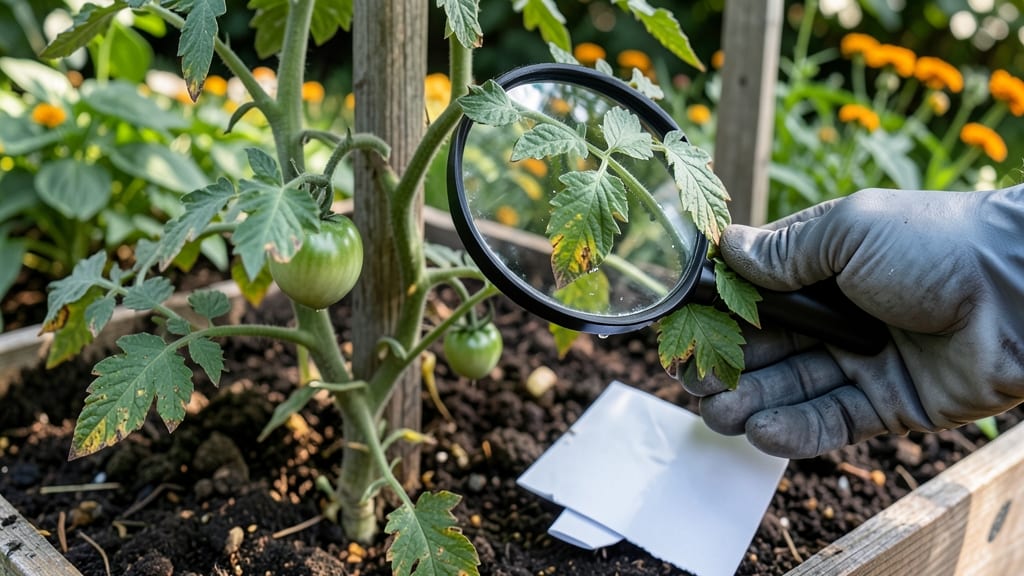
Tomato plant leaves curling downward?
That’s your plant’s SOS signal—and it’s fixable. 🌱 I’ve seen this happen after a scorching afternoon or when aphids throw a party on the undersides of leaves, and the good news is that early action can save your harvest before the plant throws in the towel.
The most common culprits are sudden heat stress, underwatering, or pests like spider mites, but nutrient deficiencies (especially potassium) can sneak up too. The key is checking the soil first—stick your finger in: if it’s dry 2 inches down, water deeply in the morning.
If you spot tiny webs or sticky residue, those pests are likely the troublemakers. Within 24-48 hours of addressing the root cause, you’ll often see leaves perk back up. For heat stress, shade cloth or mulch helps; for pests, a strong spray of water or neem oil does the trick.
The goal is to get your plant back to its lush, upright self before the problem spreads to the fruit. This works for backyard gardens, containers, or raised beds—just adjust watering based on your setup. Let’s turn those droopy leaves into a success story!
Root Causes Behind Leaf Curls
When your tomato plant’s leaves start curling downward like a sad, wilted invitation, it’s usually a cry for help—your plant is trying to tell you something’s off. Understanding the why behind this symptom is half the battle in saving your harvest.
Below, we break down the most common culprits, from environmental stressors to hidden pests, with the science-backed details you need to diagnose the issue fast.
Tomatoes are tropical plants at heart, but they’re not fans of extreme heat or sudden temperature drops. When daytime temps soar above 90°F (32°C) or nights dip below 50°F (10°C), leaves curl downward as a protective response. Here’s why:
- Stomatal closure: High heat causes tiny pores (stomata) on leaves to close to conserve water, leading to wilting and curling. This slows photosynthesis, starving the plant of energy.
- Cell wall damage: Rapid temperature shifts can disrupt cell turgor pressure—the "plumpness" that keeps leaves upright. Think of it like a balloon losing air.
- Pollination failure: Heat above 85°F (29°C) can prevent tomato flowers from opening or pollinating, reducing fruit set. Curling leaves often signal stress from failed reproduction efforts.
💡 Pro Tip: Provide afternoon shade with floating row covers or mulch heavily to keep soil temps stable. Drip irrigation in the morning (not evening) prevents water stress from evaporative cooling.
Tomatoes hate "wet feet"—excess moisture suffocates roots, cutting off oxygen and nutrients. When roots drown, they can’t absorb water efficiently, causing leaves to curl downward as a desperate signal. Here’s the science:
- Root asphyxiation: Waterlogged soil displaces oxygen, forcing roots to "hold their breath." Without oxygen, roots can’t produce ethylene, a hormone that regulates growth and stress responses.
- Fungal infections: Overwatering invites Phytophthora or Pythium, which rot roots and block water/nutrient uptake. Curling leaves often appear after root damage spreads.
- Nutrient dilution: Excess water leaches vital nutrients (like nitrogen or potassium) from the soil, leaving leaves weak and curling.
🔥 Fix It: Test soil moisture by sticking your finger 2 inches deep—water only if dry. Amend heavy clay soil with perlite or compost to improve drainage. Elevate containers or plant on mounds to prevent water pooling.
Tiny invaders like aphids or spider mites pierce leaf cells to suck out sap, triggering a defensive curl. Their saliva contains toxins that disrupt plant hormones, causing leaves to pucker and roll downward. Here’s how they do it:
- Hormonal hijacking: Pests inject jasmonic acid into leaves, mimicking herbivore attack signals. This causes the plant to "toughen up" by curling leaves to protect vulnerable tissue.
- Sap loss = energy loss: A single aphid can drain 50–100x its body weight in sap daily. Without energy, leaves lose turgor and curl inward.
- Secondary infections: Damaged leaves become entry points for bacterial spot or early blight, worsening the problem.
👨🍳 Spot & Stop:
Pest
Signs
Action
Aphids
Sticky residue (honeydew), curled new growth, ants (they farm aphids!)
Blast off with soapy water or introduce ladybugs.
Spider mites
Fine webbing, yellow stippling, curling undersides of leaves
Spray with neem oil or rinse leaves with water.
Whiteflies
Clouds of tiny white bugs when disturbed, sticky leaves
Use yellow sticky traps or parasitic wasps.
Leaves curl downward when they’re malnourished, especially if critical nutrients are missing. Here’s how deficiencies trigger the symptom:
- Nitrogen (N) deficiency: Leaves curl and turn yellow (chlorotic) because nitrogen is essential for chlorophyll (the green pigment for photosynthesis). Without it, leaves can’t produce energy, leading to wilting and curling.
- Potassium (K) deficiency: Potassium regulates water balance and enzyme activity. A lack of K causes cell membranes to weaken, leading to curling, especially along leaf edges (scorch-like symptoms).
- Magnesium (Mg) deficiency: Magnesium is the center of the chlorophyll molecule. When soil Mg is low, older leaves curl and develop interveinal yellowing (veins stay green).
🎯 Feed Smart: Test soil with a DIY kit or send a sample to a lab. Fix deficiencies with:
- Nitrogen: Fish emulsion or blood meal (fast-acting).
- Potassium: Wood ash or greensand.
- Magnesium: Epsom salt (1 tbsp/gallon of water, foliar spray).
Tomatoes aren’t built for breezy conditions. Strong winds or even gentle but consistent airflow can cause leaves to curl downward as a protective mechanism. Here’s the breakdown:
- Transpirational stress: Wind increases evaporative loss by drying leaf surfaces faster than roots can replace water. Leaves curl to reduce surface area and slow water loss.
- Mechanical damage: Hail, heavy rain, or even rough handling can bruise leaf cells, triggering curling as the plant "seals off" damaged areas to prevent infection.
- Root anchorage issues: If plants are top-heavy (e.g., unpruned or in poor soil), wind can uproot them slightly, causing leaves to droop or curl.
🌡️ Shield Your Plants:
- Use windbreaks (e.g., cornstalks, burlap, or trellises).
- Stake or cage plants early to prevent flopping.
- Mulch heavily to anchor roots and retain moisture.
Fixing Curled Tomato Leaves
Now that you know what’s causing your tomato plant’s leaves to droop and curl, it’s time to take action! The good news? Most of these issues have simple, effective fixes—some even take just minutes.
Below, we’ll break down the best solutions for each common cause, along with prevention tips to keep your plants thriving all season long.
Fix it fast:
- Stop watering immediately—let the soil dry out completely for 24–48 hours.
- Check the roots—gently dig around the base to see if they’re soggy or rotting. Healthy roots should be firm and white; mushy or black roots mean root rot.
- Improve drainage—if your pot lacks drainage holes, transfer the plant to a container with holes or add perlite/potting mix to aerate compacted soil.
- Repot if needed—if root rot is severe, trim away mushy roots with sterilized scissors, dust with cinnamon (natural antifungal), and repot in fresh, well-draining soil.
Prevention tips: ✅ Water deeply but less often—aim for 1–1.5 inches of water per week (adjust for climate). ✅ Use raised beds or containers with excellent drainage. ✅ Mulch around the base to regulate soil moisture and prevent evaporation.
Fix it fast:
- Move your plant to a spot with morning sun and afternoon shade (especially in scorching climates).
- Provide shade cloth (30–50% coverage) if temperatures exceed 90°F (32°C).
- Mist leaves lightly in the early morning to cool them down (avoid evening misting to prevent fungal issues).
- For cold stress, cover plants with frost blankets or move pots to a sheltered area.
Prevention tips: 🌿 Choose heat-tolerant varieties like ‘Solar Fire’ or ‘Heatmaster’ if you live in a hot zone. 🌿 Install a drip irrigation system to keep roots cool and soil moist without wetting foliage. 🌿 Monitor weather forecasts and protect plants during sudden temperature swings.
Fix it fast:
- Blast pests off with a strong stream of water from a hose (do this in the morning).
- Apply neem oil—mix 1 tbsp neem oil + 1 tsp mild soap + 1 quart water. Spray every 5–7 days until pests are gone.
- Introduce beneficial insects—ladybugs, lacewings, or predatory mites will eat aphids and spider mites naturally.
- For severe infestations, use insecticidal soap (follow label instructions).
Prevention tips: 🛡️ Inspect new plants before bringing them home—quarantine for a week if possible. 🛡️ Encourage companion plants like basil, marigolds, or nasturtiums to repel pests. 🛡️ Remove yellowing leaves where pests love to hide.
Fix it fast:
| Symptom | Likely Deficiency | Quick Fix |
|---|---|---|
| Yellow lower leaves | Nitrogen | Add blood meal or fish emulsion (follow package rates). |
| Brown leaf edges | Potassium | Use a banana peel tea (steep peels in water for 24 hours) or potassium-rich fertilizer. |
| Yellow veins, curled leaves | Magnesium | Sprinkle Epsom salt (1 tbsp per gallon of water) every 2 weeks. |
Prevention tips: 📊 Test your soil annually and amend with compost or balanced fertilizer (10-10-10). 📊 Rotate crops to prevent nutrient depletion in the same spot. 📊 Use organic matter like worm castings or compost tea for slow-release nutrients.
Fix it fast:
- Stake or cage your tomato plant immediately to provide support.
- Prune damaged leaves with clean shears to redirect energy to healthy growth.
- Create a windbreak—use a temporary fence, bamboo stakes, or even a large cardboard shield if winds are strong.
Prevention tips: 🌿 Plant tomatoes in sheltered spots (near fences or buildings). 🌿 Use trellises or tomato cages from the start to prevent flopping. 🌿 Avoid over-pruning—remove only damaged or diseased leaves to maintain airflow.
- Mulch heavily (2–3 inches) to retain moisture, regulate temperature, and suppress weeds.
- Rotate crops yearly to prevent soil-borne diseases from building up.
- Monitor plants daily—early detection means faster fixes!
With these solutions, your tomato plant should bounce back in 7–14 days. Keep an eye on it, adjust care as needed, and soon you’ll be enjoying juicy, homegrown tomatoes instead of curled leaves! 🍅✨
Frequently asked questions
Can I still harvest tomatoes if the leaves are curling?
Yes, but focus on ripe tomatoes first! Curling leaves usually don't affect fruit already on the vine, though severe stress might reduce future production. Harvest what's ready, then address the leaf issue to protect developing fruit and next season's growth.
How do I tell if my tomato plant's leaves are curling from heat or pests?
Check the leaf undersides first! Heat-stressed leaves feel dry and crispy, while pest damage shows sticky residue (aphids) or fine webbing (spider mites). Also, heat curling happens on older leaves first, while pests attack new growth.
Will pruning curled leaves help my tomato plant recover?
Only prune severely damaged leaves - removing healthy curled leaves stresses the plant further. Focus on removing only leaves with visible pests or disease. For heat stress, pruning can actually worsen the problem by increasing sun exposure.
How long does it take for tomato leaves to uncurl after treatment?
With proper care, you'll often see improvement in 24-48 hours for mild cases. For severe issues like root rot or nutrient deficiencies, recovery may take 1-2 weeks
Can I use coffee grounds to fix curling tomato leaves?
Coffee grounds can help with nitrogen but aren't a cure-all. They may improve soil structure slightly, but for curling leaves, address the root cause first. Use them sparingly (1 cup per plant every 2 months) and focus on proper watering and pest control.