
Flowers
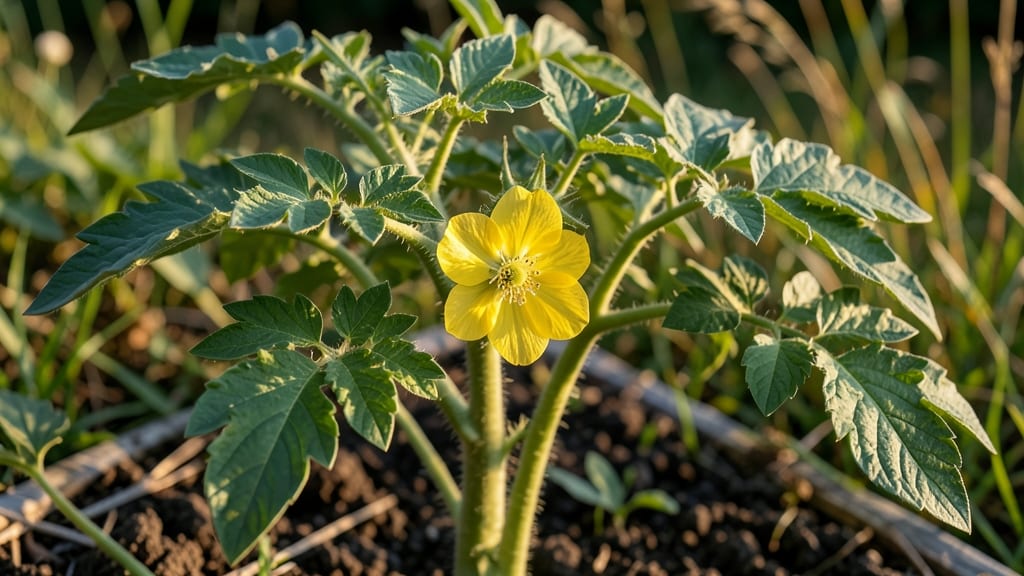
Unpollinated tomato flowers turn your plants into blooming disappointment. 🌱 I’ve watched my tomatoes produce flowers but no fruit—until I learned this simple hand-pollination trick that doubled my harvest last summer. The problem isn’t always the plant; it’s often the weather, pests, or just a lack of bees buzzing around.
Most gardeners don’t realize tomatoes rely on pollinators—or gentle breezes—to transfer pollen. Without them, those pretty flowers just drop off. Humidity, rain, or even a lack of airflow can keep pollen from reaching the stigma.
And if your plants are stressed from pests or poor soil, they’ll focus on leaves instead of fruit.
With a soft brush or your fingertip, you can mimic nature in seconds. Just tap the center of each flower gently to release pollen, or use a small paintbrush to transfer it directly.
Within days, you’ll see those flowers swell into plump tomatoes. The best part? This trick works for greenhouses, containers, or even balcony gardens where pollinators rarely visit.
Once you master it, you’ll never waste another flower again. The key is timing—pollinate in the morning when flowers are fresh—and watch your plants reward you with bushels of ripe tomatoes. No more empty vines, just heavy fruit sets all season long.
Root Causes of Blossom Drop
When your tomato plants produce flowers that fail to set fruit, it’s often due to a mix of environmental and biological factors. Understanding these causes is the first step to fixing the issue and enjoying a bountiful harvest.
Let’s break down the science behind why tomato flowers may remain unpollinated—or worse, drop off before fruit can form.
Tomatoes are sensitive to temperature swings, especially during flowering. If nights dip below 55°F (13°C) or days climb above 90°F (32°C), pollen production and flower function take a hit.
- Cold Stress: Low temperatures slow pollen tube growth, preventing fertilization. Flowers may appear healthy but fail to develop fruit.
- Heat Stress: High temps cause pollen to become sticky and clump together, making it difficult for bees or wind to transfer it. Flowers may also abort early due to metabolic stress.
- Solution:
- Use shade cloth (30-50%) during peak heat.
- Plant heat-tolerant varieties like 'Solar Fire' or 'Heatmaster'.
- Water deeply in the early morning to cool soil and air.
Tomatoes rely on bees, butterflies, and other insects to transfer pollen between flowers. Without them, flowers stay unpollinated—or worse, the plant may waste energy producing sterile blossoms.
- Urban or Indoor Growing: Fewer pollinators mean less pollen transfer, especially in containers or greenhouses.
- Pesticide Overuse: Neonicotinoids and broad-spectrum sprays kill bees and beneficial insects, leaving flowers unpollinated.
- Solution:
- Plant bee-friendly flowers (e.g., marigolds, basil, borage) near tomatoes.
- Avoid spraying pesticides during morning hours when bees are most active.
- Hand-pollinate with a small paintbrush or by gently shaking plants.
Tomatoes need consistent moisture—too much or too little water stresses plants, leading to flower abortion. Even slight fluctuations in soil moisture can cause flowers to fall off before pollination occurs.
- Underwatering: Flowers wilt and drop due to osmotic stress, where the plant prioritizes root survival over fruit development.
- Overwatering: Waterlogged soil suffocates roots, reducing energy for flower fertilization.
- Solution:
- Water deeply 1-2 times per week (not daily shallow watering).
- Use mulch (straw or grass clippings) to retain moisture.
- Avoid wetting leaves to prevent disease (e.g., early blight).
Tomatoes are heavy feeders, and a lack of key nutrients—especially phosphorus, calcium, and boron—can lead to poor pollination and flower drop.
| Nutrient Deficiency | Symptoms | Fix It |
|---|---|---|
| Calcium (Blossom End Rot) | Flowers drop; young fruit develops black, sunken spots. | Apply crushed eggshells or use a calcium nitrate spray. |
| Boron | Flowers fail to open or drop; stunted growth. | Use borax solution (1 tsp/gal water) as a foliar spray. |
| Phosphorus | Purple-tinged leaves; weak stems; poor root development. | Add bone meal or rock phosphate at planting. |
⚠️ Pro Tip: Avoid over-fertilizing with nitrogen (e.g., too much manure or synthetic N). Too much greenery at the expense of fruit is a common mistake!
Not all tomato varieties are created equal. Some are bred for disease resistance or heat tolerance but sacrifice pollination efficiency in the process.
- Determinate Varieties: Produce a single flush of flowers and may drop blossoms if stressed.
- Indeterminate Varieties: Continue flowering but may struggle in high-stress conditions.
- Solution:
- Choose pollination-friendly varieties like 'Better Boy' or 'Celebrity'.
- For greenhouses, opt for self-pollinating hybrids (e.g., 'Mountain Merit').
- Hand-pollinate determinate plants during peak flowering.
By identifying which of these factors is at play in your garden, you can take targeted action to boost pollination and prevent blossom drop. Next, we’ll cover how to hand-pollinate tomatoes for guaranteed fruit set!
Fixing tomato flowers for better fruit
When your tomato plants sport beautiful flowers but little fruit follows, it’s often a sign of unpollinated blooms. The good news? You can take action to boost pollination and enjoy a bountiful harvest.
Below, we’ll break down common causes and practical fixes—plus tips to prevent future issues. Let’s get those tomatoes growing!
🌬️ Cause: Lack of Natural Pollinators (Bees, Wind, or Hummingbirds)
If your garden lacks buzzing bees or strong breezes, tomato flowers may not self-pollinate. This is especially common in greenhouses, urban areas, or during rainy seasons when pollinators stay indoors.
How to Fix It:
- 👨🍳 Hand-Pollinate: Use a small paintbrush, cotton swab, or even a toothpick to gently transfer pollen from the male (outer) anthers to the female stigma (the tiny cone in the flower’s center). Do this in the morning when flowers are fresh and dew-covered.
- Pro Tip: 💡 Tap the flower gently with your finger—sometimes that’s enough to shake loose pollen!
- 🐝 Attract Pollinators: Plant bee-friendly flowers like marigolds, basil, or borage near your tomatoes. Avoid pesticides, and provide shallow water sources (like a saucer with pebbles) for thirsty bees.
- Pro Tip: 🌡️ Place your garden in a sunny spot—bees love warm, sunny days!
- 💨 Improve Airflow: If you’re growing in a greenhouse or container, crack a window or use a small fan on low speed to mimic wind pollination. Aim it at the plants for 10–15 minutes daily.
- Pro Tip: ✨ Position fans so they don’t blow directly on flowers—gentle movement is key!
☀️ Cause: Extreme Heat or Cold Stress
Tomatoes thrive in warm weather, but temperatures above 90°F (32°C) or sudden cold snaps can prevent pollen from forming or reduce pollinator activity. Flowers may drop off without setting fruit.
How to Fix It:
- 🌿 Provide Shade: Use shade cloth (30–50%) over plants during peak afternoon heat. Focus on young flowers and fruit to protect them from scorching.
- Pro Tip: 🎯 Water soil (not leaves) in the early morning to help regulate temperature.
- 🌡️ Adjust Watering: Deep watering keeps roots cool and encourages consistent flowering. Avoid wetting flowers, as damp pollen can clump and fail to transfer.
- Pro Tip: 🔥 Use drip irrigation or soaker hoses to keep leaves dry.
- 🌱 Choose Heat-Tolerant Varieties: If you live in a hot climate, opt for heat-resistant tomatoes like ‘Solar Fire,’ ‘Heatmaster,’ or ‘Arkansas Traveler.’
💧 Cause: Overwatering or Poor Soil Nutrition
Too much water or nutrient deficiencies (especially phosphorus or calcium) can weaken plants, leading to poor flower development or failed pollination. Yellowing leaves or stunted growth are red flags.
How to Fix It:
- 🌱 Test and Amend Soil: Conduct a soil test to check pH (ideal: 6.0–6.8) and nutrient levels. Add compost or a balanced fertilizer (like 10-10-10) if phosphorus or potassium are low.
- Pro Tip: 📊 For calcium deficiencies, sprinkle crushed eggshells or use a calcium nitrate supplement.
- ⏰ Adjust Watering Schedule: Water deeply 1–2 times per week (depending on climate) and let the top inch of soil dry out between waterings. Avoid soggy soil, which can drown roots.
- 🍅 Prune for Airflow: Remove lower leaves touching the ground to improve airflow and reduce humidity around flowers. This prevents fungal issues that can stress plants.
🌱 Cause: Over-Fertilizing with Nitrogen
Too much nitrogen (common in lawn fertilizers) promotes leafy growth at the expense of flowers and fruit. If your plant is lush but barren, it’s time to rebalance.
How to Fix It:
- 🛑 Stop High-Nitrogen Feeds: Switch to a low-nitrogen, high-phosphorus fertilizer (like 5-10-10) to encourage flowering. Follow package instructions for dosage.
- 🌿 Prune Aggressively: Trim excessive foliage to redirect energy to flower and fruit production. Aim to leave 3–4 main stems per plant.
- 🍅 Harvest Regularly: Picking ripe tomatoes (or suckers) signals the plant to produce more flowers. Don’t let fruit overload the branches!
🔄 Prevention Tips for Next Season
Once you’ve revived your plants, keep these tips in mind to avoid unpollinated flowers long-term:
- 🌿 Plant Companion Flowers: Interplant tomatoes with basil, marigolds, or nasturtiums to attract pollinators year-round.
- 🌡️ Monitor Weather: Use row covers or shade cloth during heatwaves or cold snaps to protect blooms.
- 💧 Mulch Heavily: Apply 2–3 inches of organic mulch (straw or grass clippings) to retain moisture and regulate soil temperature.
- 🌱 Rotate Crops: Avoid planting tomatoes in the same spot yearly to prevent soil-borne diseases that weaken plants.
- 📅 Plan Ahead: Start seeds indoors 6–8 weeks before the last frost for a head start on strong, pollinator-friendly plants.
With these fixes, your tomato plants should soon be bursting with pollinated flowers—and before you know it, you’ll be swimming in homegrown tomatoes! 🍅✨
Frequently asked questions
Why do my tomato flowers keep falling off without forming fruit?
This usually happens due to temperature stress (below 55°F or above 90°F), poor pollination, or nutrient deficiencies. Heat can cause pollen to clump, while cold slows pollen tube growth. Check for consistent moisture and proper nutrients like calcium and boron to prevent this.
Can I use a paintbrush to pollinate tomato flowers?
A small paintbrush is perfect for hand-pollination. Gently brush the yellow pollen from the flower’s center onto the tiny cone-shaped stigma. Do this in the morning when flowers are fresh—this mimics how bees transfer pollen naturally.
What’s the best time of day to hand-pollinate tomato flowers?
Morning is ideal because flowers are dew-covered and fresh. The pollen is most active then, and the stigma is receptive. Avoid pollinating in the afternoon when temperatures rise, as pollen can become sticky and less effective.
Will shaking the plant help pollinate tomato flowers?
Yes! Gently shaking the plant can dislodge pollen and help it transfer between flowers. Do this lightly—just enough to move the stems—especially if you’re growing in a greenhouse or have few pollinators. Shake in the morning for best results.
How do I know if my tomato flowers are pollinated?
Pollinated flowers will start to wilt and shrink slightly within 24-48 hours, and you’ll see a tiny fruit begin to form at the base. Unpollinated flowers stay bright and eventually drop off. Check the center of the flower—if the stigma is covered in pollen, it’s a good sign!