
Planting
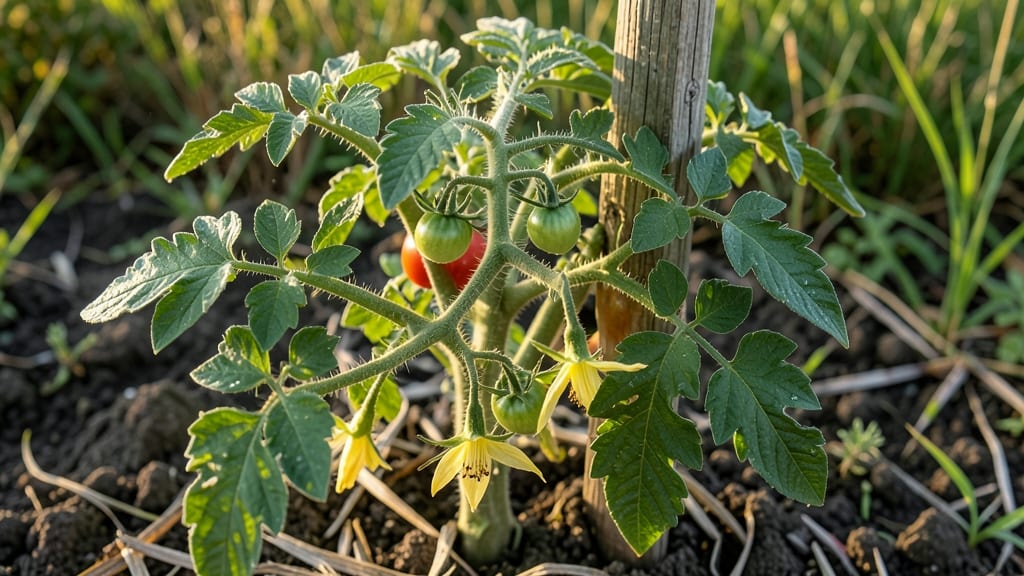
Those fuzzy tomato plant hairs aren't just decoration—they're your plant's built-in pest shield and sunscreen. 🌿 I used to worry they were a sign of disease, but now I know they're actually protecting leaves from bugs and harsh sunlight.
The trick is learning when to leave them alone and when a gentle touch can prevent bigger problems.
Trichomes (that's the science name for those tiny hairs) help deter pests by making leaves harder to chew and more difficult for mites to grip. When they're healthy, they create a protective barrier—but when they get coated with dust or damaged by rough handling, that shield weakens.
The good news? A soft brush with your fingers or a damp cloth can restore their function without harming the plant.
You'll notice leaves staying greener longer and fewer tiny webs or speckles from pests when you maintain those hairs properly. The key is working with the plant, not against it—think of it like giving your tomatoes a natural, invisible force field. This simple care keeps them thriving all season long.
Perfect for gardeners who want to work smarter, not harder. Whether you're dealing with crowded plants or just curious about what those hairs do, this approach saves time and keeps your tomatoes productive. Let's get those leaves looking their best!
Understanding Fuzzy Tomato Foliage
Those tiny, fuzzy hairs covering your tomato plant leaves aren’t just a quirky detail—they’re a survival strategy with clear causes. While they might seem like a harmless oddity, their presence (or sudden changes in them) can reveal deeper issues about your plant’s health and environment.
Let’s break down the science behind why these hairs develop and what triggers their growth—or their disappearance.
Tomato plants, particularly heirloom and wild varieties, often inherit dense trichomes (plant hairs) as a natural defense mechanism. These hairs serve multiple purposes:
- Pest Deterrence: The rough texture makes it harder for insects like aphids and spider mites to latch on, disrupting their feeding patterns.
- UV Protection: Trichomes can reflect sunlight, reducing leaf damage from excessive UV exposure.
- Water Regulation: They create a microclimate that slows water evaporation, helping the plant retain moisture in arid conditions.
If your tomato variety has a reputation for being "hairy," it’s likely a genetic trait passed down from its ancestors.
For example, Solanum lycopersicum (the common tomato) and some wild relatives like Solanum habrochaites are known for their fuzzy foliage. Actionable tip: If you’re growing heirloom tomatoes, embrace the hairs—they’re a sign of a hardy, resilient plant!
Trichome growth (or loss) can also be a response to environmental stressors. Here’s how your plant’s surroundings influence its fuzzy coat:
| Stressor | Effect on Hairs | Why It Happens |
|---|---|---|
| Drought | Hairs may become thicker or more abundant. | The plant prioritizes water retention, and trichomes act like tiny water-conserving barriers. |
| High Humidity | Hairs may shed or appear less dense. | Excess moisture reduces the plant’s need for protective adaptations, as pests and evaporation are less of a threat. |
| Extreme Heat | Hairs may darken or become brittle. | Heat stress can cause trichomes to produce more phenolic compounds (natural sunscreen), which turn them darker as a protective measure. |
| Poor Airflow | Hairs may grow longer or stickier. | Stagnant air traps moisture, encouraging fungal growth. Trichomes may produce glandular secretions to deter pathogens. |
Pro tip: If your tomato plant’s hairs suddenly change texture or density, monitor its environment. Adjust watering, improve airflow with pruning or fans, or move the plant to a more stable location.
When tomato plants detect herbivores or pathogens, they release volatile organic compounds (VOCs) that signal nearby trichomes to ramp up production. This is part of the plant’s induced systemic resistance—a chemical defense system. Here’s how it works:
- Jasmonic Acid Response: Chewing insects (like tomato hornworms) trigger the release of jasmonates, hormones that stimulate trichome growth in undamaged leaves as a preemptive strike.
- Glandular Trichomes: Some hairs secrete sticky resins that trap small pests. If you notice shiny, sticky hairs, your plant is actively fighting off invaders.
- Fungal Attacks: Pathogens like Alternaria or Septoria can cause trichomes to produce antifungal compounds, making the leaf surface less hospitable.
What to watch for: If hairs become thicker, stickier, or more numerous in patches, it’s a sign of localized stress. Action step: Inspect the undersides of leaves for pests or early signs of disease, and treat accordingly with neem oil or organic sprays.
Trichome development is also tied to nutrient availability, particularly:
- Nitrogen Deficiency: Too little nitrogen can lead to stunted hair growth or hairs that appear weak and sparse. Nitrogen is crucial for protein synthesis, which trichomes need to develop.
- Excess Phosphorus: While phosphorus supports root and flower growth, too much can cause trichomes to become overly dense or brittle, as the plant diverts energy to reproductive structures.
- Potassium Shortages: Potassium regulates osmotic pressure in cells. Without enough, trichomes may wilt or fall off, as the plant struggles to maintain cell turgor.
Diagnostic tip: Yellowing leaves with sparse hairs? Test your soil for nitrogen. Brown, crispy hairs? Check phosphorus levels. Fix it: Use a balanced fertilizer (like 10-10-10) and adjust based on soil test results.
Now that you know the why behind tomato plant hairs, you’re better equipped to address changes in their appearance. Whether it’s a genetic quirk or a cry for help, these tiny structures hold big clues about your plant’s well-being!
Fixing Fuzzy Folly in Tomato Leaves
Now that you understand why those tiny hairs on your tomato leaves might be causing trouble, let’s roll up our sleeves and tackle the problem head-on!
Whether you’re dealing with damaged foliage from rough handling, pests hiding in the fuzz, or overly aggressive pruning, these solutions will help restore your plants to their happy, productive selves—without sacrificing their health.
If the hairs are causing irritation or making leaves brittle, the key is minimal intervention. Harsh methods like scrubbing or tearing can stress the plant, so opt for these gentle approaches:
🌿 Method 1: Soft Brush or Damp Cloth
- How to do it: Use a soft-bristled paintbrush or a damp microfiber cloth to lightly brush away excess hairs.
- Why it works: This removes loose hairs without damaging the leaf surface or disturbing beneficial microbes.
- Pro tip: 💡 Work in the early morning when dew is present—it makes hairs easier to lift without friction.
🍳 Method 2: Pruning Shears for Targeted Trimming
- How to do it: If hairs are concentrated on older or damaged leaves, snip them off at the base with sterilized pruning shears.
- Why it works: Removes problematic foliage while encouraging new growth from healthier stems.
- ⚠️ Warning: Avoid cutting into young, hairy growth—this can stunt development.
If those tiny hairs are harboring pests like spider mites or aphids, act fast with these eco-friendly fixes:
🔪 Method 3: Neem Oil Spray (Safe & Effective)
- How to do it: 1. Mix 1 tsp neem oil + 1 tsp mild soap + 1 quart water. 2. Spray evenly on both leaf sides (focus on hairy areas).
- Reapply every 5–7 days until pests vanish. - Why it works: Neem oil disrupts pest life cycles while being plant-safe when diluted. - Pro tip: 🌡️ Apply in the early evening to avoid burning leaves in direct sunlight.
🥘 Method 4: Companion Planting & Beneficial Insects
- How to do it: Plant basil, marigolds, or nasturtiums near tomatoes to repel pests naturally.
- Why it works: These plants emit scents that deter insects and attract ladybugs or lacewings, which eat tomato pests.
- Bonus: 🎯 The hairs on tomato leaves become less appealing to pests when companions are nearby!
An ounce of prevention is worth a pound of cure—especially when it comes to tomato leaf hairs!
| Problem | Prevention Fix | When to Do It |
|---|---|---|
| Physical damage | Handle leaves gently with clean hands. | Always! |
| Pest buildup | Weekly inspections for early signs. | Every 7–10 days. |
| Over-pruning | Prune strategically—remove only 1/3 of foliage at a time. | Spring & early summer. |
| Disease risk | Space plants 18–24 inches apart for airflow. | At planting. |
| Nutrient stress | Fertilize with compost tea (rich in silica). | Every 4 weeks. |
- 🌱 Pro tip: Mulch heavily around the base to reduce soil-borne pests that might climb onto hairy leaves.
By combining gentle hair removal, smart pest control, and proactive care, your tomato plants will stay strong, healthy, and hair-free—without sacrificing their natural defenses. Now go forth and give those tomatoes the tender loving care they deserve! 🍅✨
Frequently asked questions about tomato plant hairs
Are tomato plant hairs harmful to my plants?
Not at all! These tiny hairs (called trichomes) are actually beneficial—they protect leaves from pests, reduce water loss, and shield against UV rays. Healthy hairs mean your plant is thriving! Only remove them if they're harboring pests or becoming overly brittle from damage.
How do I tell if tomato hairs are healthy or indicate a problem?
Healthy hairs appear fine and evenly distributed. Look for these red flags: thick, sticky coatings (sign of pests like spider mites), brown or brittle hairs (nutrient deficiency), or uneven growth (possible fungal stress). Always check leaf undersides for early signs.
Can I safely remove tomato plant hairs?
Yes, but use gentle methods! Try a soft paintbrush or damp cloth to lift hairs without damaging leaves. Avoid scrubbing—this can create tiny wounds that attract pests. Focus on older leaves first, as new growth naturally develops protective hairs.
Why do some tomato varieties have more hairs than others?
Hair density is mostly genetic! Heirloom varieties like 'Cherokee Purple' or wild relatives often have more trichomes as natural pest resistance. Modern hybrids may have fewer hairs since breeders focus on fruit quality over foliage protection. The more hairs, the tougher the plant's defenses!
What should I do if my tomato hairs turn sticky?
Sticky hairs usually mean glandular trichomes are producing resin to trap pests. While normal, it's best to wipe leaves with soapy water (1 tsp mild soap per quart) to remove buildup. Follow with a neem oil spray to prevent pest outbreaks. This happens most in hot, dry conditions.