
Vegetables

Tomato leaf miners can devastate your garden in weeks, but these 10 battle-tested solutions—from organic sprays to cultural fixes—will protect your plants without harsh chemicals. Discover what works best for every stage of infestation.
Neem Oil Spray for Immediate Control
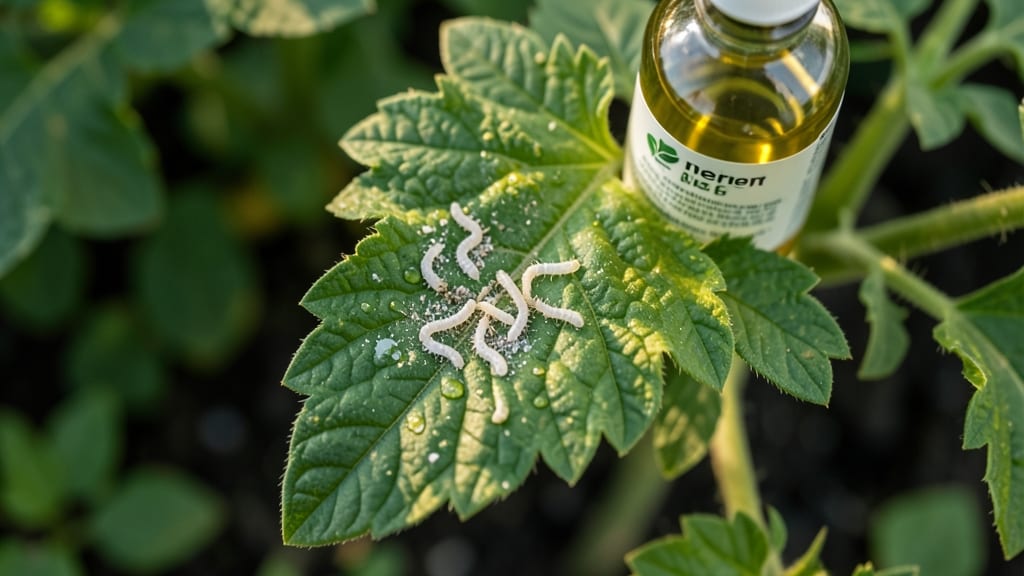
When you spot the first signs of tomato leaf miner damage—tiny white larvae tunneling through leaves—neem oil spray is your fastest organic defense. Unlike traditional pesticides, neem oil works as a systemic treatment, disrupting the larvae's life cycle while simultaneously boosting your plant's natural immunity.
Mix 1 teaspoon of pure neem oil with 1 quart of water and a dash of mild soap (to help it stick) for best results. Apply in the early morning or late evening to avoid harming beneficial insects, and reapply every 7-10 days until the larvae hatch. The key is timing: neem oil is most effective when larvae are newly hatched, so act fast at the first sign of frass (sawdust-like droppings) on leaves.
This solution is perfect for organic gardeners or anyone who prefers non-toxic methods. It’s also gentle enough for use on other vegetables like peppers and eggplants, making it a versatile addition to your pest control toolkit. 🌱
Yellow Sticky Traps to Monitor Populations
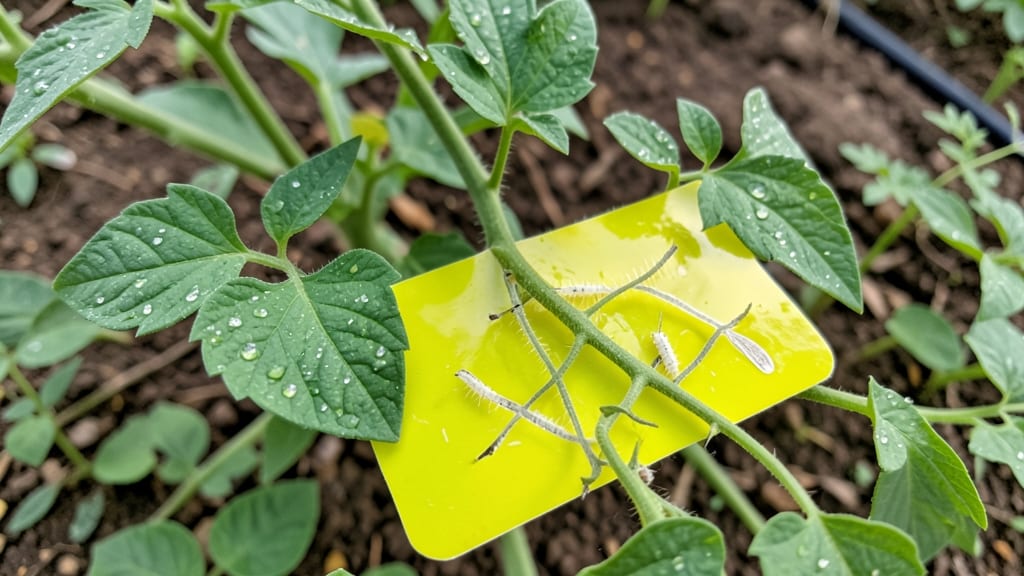
If you’ve ever spotted tiny white larvae tunneling through your tomato leaves, you know how quickly tomato leaf miners can spiral out of control. The key to stopping them early? Yellow sticky traps—a simple, chemical-free way to catch adult moths before they lay eggs and start the next generation.
Hang these bright yellow cards near your plants (especially in greenhouses or high-risk areas) to intercept moths as they fly. The traps work by mimicking the color of young tomato leaves, luring adults to land and get stuck. Replace them every 1-2 weeks or when fully covered, and check for trapped moths daily to monitor population levels. This method is perfect for organic growers who want to avoid sprays while still gaining early warning of an infestation.
Greenhouse gardeners and those with limited space will love this low-maintenance solution—it’s a proactive step that fits seamlessly into any integrated pest management plan. 🌱
Kaolin Clay Barrier for Physical Protection
Struggling with tomato leaf miners while avoiding harsh chemicals? Kaolin clay offers a two-in-one defense: it confuses adult moths with its reflective white barrier while preventing fungal diseases. This mineral-based spray acts as a physical shield, making your plants less appealing to pests.
Apply kaolin clay every 7-14 days at dusk to avoid harming pollinators, focusing on the undersides of leaves where moths lay eggs. It works best in humid conditions and pairs well with other organic methods like neem oil. The clay also helps reduce sunburn on young plants by reflecting light.
Perfect for organic gardeners who want a mechanical defense without synthetic chemicals, kaolin clay is especially effective in greenhouses or high-risk areas. 🌟
Beneficial Nematodes for Soil-Borne Control
Tired of surface sprays that only treat symptoms? Beneficial nematodes offer a hidden weapon against tomato leaf miners by attacking the problem at its source—larvae in the soil. These microscopic predators move through the root zone, seeking out and destroying leaf miner larvae before they can cause damage.
Apply Steinernema feltiae nematodes to moist soil around your plants in the evening (they’re sensitive to sunlight) using a simple watering can. They thrive in container gardens or raised beds where soil temperatures stay between 50-85°F. For best results, water deeply before and after application to help them move through the soil.
This method is perfect for gardeners who want long-term biological control without repeated sprays. It’s especially effective in small spaces where other solutions might be impractical. 💚
Row Covers to Block Adult Moths
When tomato leaf miners keep returning year after year, no spray or trap seems to stop them—but row covers create an impenetrable shield that moths simply can’t breach. This is your ultimate fail-safe for organic growers or those dealing with severe, recurring infestations.
Made from lightweight, breathable fabric (like floating row covers), these barriers block adult moths entirely while still allowing sunlight, water, and air to reach your plants. Install them at planting or when moths first appear, securing edges tightly with soil or weights. For tomatoes, remove covers during flowering to allow pollination, then reapply after fruit sets. This method works best for early planting or high-risk seasons.
Perfect for gardeners who’ve tried everything else, row covers offer 100% protection without chemicals—ideal for large plots, greenhouses, or urban containers. No more helplessly watching your plants decline! 🌱
Garlic and Chili Pepper Spray

When you spot the first signs of tomato leaf miners but want to avoid store-bought chemicals, a garlic and chili pepper spray is your secret weapon. This simple, all-natural concoction doesn’t just repel moths—it confuses their scent trails while feeding your soil with nutrients like sulfur and capsaicin.
Blend 2 cloves of minced garlic, 1 tablespoon of cayenne pepper, and 1 quart of water, then strain and add a drop of dish soap as a surfactant. Spray the mixture on leaves every 5-7 days, especially in the evening when moths are most active. The strong aromas mask plant scents, making it harder for moths to locate your tomatoes.
This DIY solution is perfect for small gardens, container growers, or beginners who prefer low-cost, chemical-free pest control. Plus, the residual garlic and chili compounds continue working even after drying—giving your plants an extra layer of protection. 🌱
Prune and Destroy Infested Leaves
When you spot serpentine trails or white larvae tunneling through tomato leaves, don’t just toss them in the compost—those leaves are breeding grounds for the next generation of leaf miners. The key to stopping the cycle is removing infested foliage immediately and destroying it properly.
Use clean, sharp pruners to snip off affected leaves at the base, then bag them in a sealed plastic bag for the trash (not compost). This mechanical removal disrupts the larvae’s development and prevents them from pupating. For heavy infestations, combine this with other methods like neem oil or row covers to create a multi-layered defense. Focus on the lower leaves first, as these are often the earliest targets.
This method is especially effective for gardeners dealing with late-stage infestations or those who prefer hands-on, chemical-free solutions. Pair it with sticky traps or pheromone disruption for even better results. 💪
Pheromone Traps for Mating Disruption
When tomato leaf miners keep returning year after year, pheromone traps offer a game-changing, chemical-free solution. These traps release synthetic female moth pheromones, confusing male moths into thinking every plant is already mated—slashing egg-laying by up to 90% without harming your tomatoes or beneficial insects.
Hang traps in your garden's high-traffic areas (like near tomato plants) during peak moth activity, typically at dusk. For large gardens, place traps every 100–200 feet to maximize disruption. This method works best when combined with other solutions like row covers or sticky traps for early detection. It’s especially effective for commercial growers or backyard gardeners with stubborn infestations.
Unlike sprays or barriers, pheromone traps target the root of the problem—preventing reproduction—so you can enjoy healthier plants with minimal effort. Perfect for those who want a low-maintenance, eco-friendly fix. ✨
Companion Planting with Basil or Marigold
Tired of chemical sprays? Basil and marigolds offer a fragrant, two-pronged defense against tomato leaf miners while boosting your harvest’s flavor and biodiversity.
Plant basil near your tomatoes to mask their scent—leaf miners avoid the strong aroma, and your tomatoes taste even sweeter. Interplant marigolds to attract predatory insects like ladybugs and lacewings, which devour leaf miner eggs and larvae. The marigolds’ bright blooms also deter adult moths with their vibrant presence.
This low-maintenance combo works best for organic gardeners, container growers, or anyone who wants a natural, multi-layered solution that doubles as a culinary bonus. 🌻
Soap Spray for Late-Stage Larvae
When other organic methods fail to stop tomato leaf miners, a soap spray delivers fast, non-toxic relief by suffocating late-stage larvae on leaves. This simple solution works best as a last resort when infestations are already visible, offering immediate results without chemicals.
Mix 1 tablespoon of mild liquid castile soap with 1 quart of water and spray directly on affected leaves, focusing on the undersides where larvae hide. Reapply every 3-5 days until the larvae are eliminated, as the soap disrupts their ability to breathe. This method is safe for plants when used correctly and won’t harm beneficial insects.
Gardeners with severe infestations or those who prefer quick, chemical-free action will find this spray especially useful. Just be sure to test a small area first to avoid over-spraying. 💪