
Planting
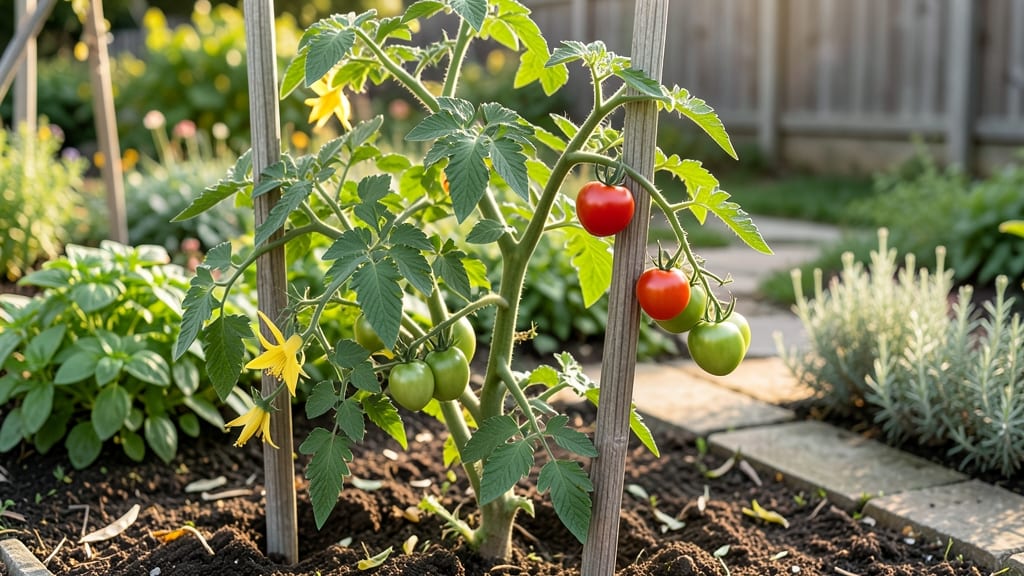
A tomato plant fix is within reach—your drooping leaves might be reversible in under an hour, no panic, just science. 🌱 The most common causes are underwatering, overwatering, or hidden pests, and each has a targeted solution that works fast.
I’ve revived plants with crispy edges and floppy stems using the same tricks, and you can too.
Start by checking the soil: stick your finger in 2 inches deep. If it’s bone-dry, water deeply until it’s moist but not soggy; if it’s still damp, hold off and check for pests like aphids or spider mites on the undersides of leaves.
Overwatering is just as deadly—roots need air, not a swamp.
Once you’ve ruled out water issues, give the plant a foliar flush with a mix of 1 teaspoon baking soda and a few drops of dish soap in a gallon of water.
This cleans pests and strengthens cell walls. Within 24-48 hours, you’ll see leaves perk up if the problem was stress-related.
For stubborn cases, prune any blackened or yellowed leaves to redirect energy to healthy growth. Most plants bounce back within a week—just give them consistent care and shade from the hottest afternoon sun. The key is acting fast before the plant’s energy reserves get too low.
Root issues behind tomato struggles
Understanding why your tomato plants act up is half the battle in saving them. Wilting, yellowing, or stunted growth often stems from hidden problems lurking below the soil—or even in the air.
Let’s break down the real culprits behind tomato plant distress, so you can diagnose and fix them like a pro.
Tomatoes are thirsty, but too much water is a silent killer. When roots sit in soggy soil, they suffocate, starving the plant of oxygen and nutrients.
- Why it happens: Overwatering disrupts the soil’s air-to-water ratio, leading to root rot (a fungal infection that gums up roots). Poor drainage (like clay soil or compacted beds) traps excess moisture, accelerating the problem. - Science behind it: Roots need 10–30% air space in soil to breathe.
Without it, they can’t absorb water or nutrients efficiently, causing wilting even when the soil looks damp. - Red flags: Yellowing lower leaves, mushy stems at the base, or a foul smell from the soil.
Tomatoes wilt faster than a lettuce leaf in the sun if they’re dehydrated or battling extreme heat.
- Why it happens: Tomatoes have shallow roots that dry out quickly in hot weather. When soil moisture drops below 30–40%, cells lose turgor pressure (the "plumpness" that keeps leaves upright). - Science behind it: Plants rely on osmotic pressure to pull water from roots to leaves.
Under stress, guard cells close stomata (leaf pores), slowing water uptake and causing wilting—even if roots are technically "wet enough." - Red flags: Dry, crispy leaf edges, soil pulling away from pot sides, or wilting that worsens in the afternoon.
Tomatoes are heavy feeders, and hungry plants show it fast. The most common deficiencies? Nitrogen, potassium, and magnesium—each causing distinct symptoms.
| Nutrient Missing | Symptoms | Quick Fix |
|---|---|---|
| Nitrogen (N) | Yellow lower leaves, stunted growth | Side-dress with compost or fish emulsion |
| Potassium (K) | Brown leaf edges, weak stems | Add wood ash or banana peel tea |
| Magnesium (Mg) | Yellow patches between leaf veins | Spray with Epsom salt solution (1 tbsp/gallon) |
| Phosphorus (P) | Purple stems, slow flowering | Bone meal or rock phosphate granules |
- Why it happens: Over-fertilizing with nitrogen (without balancing potassium) weakens stems, while calcium deficiencies (common in acidic soil) cause blossom end rot (black, mushy fruit bottoms). - Pro tip: Test your soil’s pH (ideal: 6.0–6.8).
Tomatoes need calcium, but if soil pH is too low, they can’t absorb it—even if you add lime!
Hidden invaders like aphids, spider mites, or fungal pathogens (early blight, late blight) drain your plant’s energy faster than you can say "harvest."
- Why it happens: - Pests (e.g., aphids) inject toxins while feeding, causing curls, sticky residue (honeydew), or black sooty mold. - Fungal diseases thrive in humid, stagnant air (like greenhouses or crowded plants).
Spores land on leaves, blocking sunlight and clogging stomata. - Red flags: Holes in leaves, white webbing, or dark spots with yellow halos (classic blight sign). - Science note: Fungi like Phytophthora (late blight) spread via water splashes—that’s why mulch and spacing matter!
Wind, temperature swings, or even transplant shock can send tomato plants into a tailspin.
- Why it happens: - Windburn: Dries out leaves faster than roots can replace moisture, leading to scorched edges. - Cold snaps: Tomatoes wilt if temps drop below 50°F (10°C)—their enzymes slow down, halting nutrient transport. - Transplant shock: Disturbed roots take 7–14 days to regrow.
If you move a plant without proper acclimation, it’ll wilt until roots re-establish. - Fix it: Use windbreaks, mulch to insulate roots, and harden off seedlings before planting.
If your tomato’s roots circle the pot or compete with weeds, they’ll struggle to access water and nutrients.
- Why it happens: Roots grow in a search pattern—when confined, they become matted and brittle, reducing absorption efficiency.
- Red flags: Roots growing out of drainage holes or a plant that wilts even after watering.
- Solution: Repot into larger containers (at least 5 gallons for indeterminate varieties) or loosen soil around roots if in-ground.
Most tomato woes boil down to water, nutrients, or biology—not magic. Start by checking:
- Soil moisture (stick your finger 2 inches deep—dry? Water!)
- Leaf symptoms (yellow? Brown? Spots?)
- Root health (mushy? Tangled?).
Once you pinpoint the issue, your tomato plant fix is just a few steps away. 🚀
Quick Fixes for Wilted Tomato Plants
Tomato plants can wilt for many reasons—from overwatering to pests—but the good news is most issues have simple, science-backed fixes you can apply right away. Below, we’ve broken down the most common problems and matched them with easy, actionable solutions to revive your plants.
Plus, we’ll share prevention tips to keep your tomatoes thriving all season long.
Signs: Yellowing leaves, mushy stems, or dry, crispy foliage.
How to Fix It:
- For Overwatering: 🔥 Stop watering immediately and let the soil dry out for 2–3 days. If the roots are soggy, gently loosen the top 2 inches of soil to improve drainage.
- For Underwatering: 🍳 Water deeply at the base (not the leaves) until moisture seeps out the bottom of the pot. Use your finger to check soil moisture—if the top inch is dry, it’s time to water again.
- Boost Recovery: Add a handful of perlite or sand to the soil to improve aeration and prevent future waterlogging.
Prevention Tip: 🌡️ Water in the early morning so leaves dry quickly, reducing fungal risks. Use a moisture meter for consistency, especially in pots.
Signs: White or brown patches on leaves, drooping, or scalded-looking spots.
How to Fix It:
- Shade Relief: 👨🍳 Move plants to partial shade (4–6 hours of morning sun) for 3–5 days. Use a lightweight shade cloth (30–50% coverage) if outdoors.
- Hydration Boost: 🥘 Increase watering slightly (but avoid soggy soil) to help the plant cool down. Mulch with straw to retain moisture.
- Foliar Spray: Mist leaves with cool water in the evening to lower their temperature.
Prevention Tip: ✨ Hardening off seedlings gradually before transplanting. If using black plastic mulch, opt for silver or white mulch to reflect excess heat.
Signs: Holes in leaves, sticky residue (aphids), black spots (fungus), or wilting despite proper watering.
How to Fix It:
- For Pests (Aphids, Spider Mites, Hornworms):
- Manual Removal: 🔪 Handpick larger pests like hornworms or spray with soapy water (1 tsp mild soap per quart of water).
- Neem Oil Spray: 🥘 Mix 1 tbsp neem oil + 1 tsp dish soap in 1 quart of water. Spray every 5–7 days until pests vanish.
- For Fungal Issues (Blight, Powdery Mildew):
- Baking Soda Spray: 🍳 Mix 1 tsp baking soda + 1 tbsp oil + 1 quart water. Spray undersides of leaves weekly.
- Improve Airflow: Prune crowded branches to let air circulate.
Prevention Tip: 💡 Rotate crops yearly to prevent soil-borne diseases. Use copper fungicide as a preventive spray in humid climates.
Signs: Slow growth, roots circling the pot, or yellowing leaves despite watering.
How to Fix It:
- Repot if Needed: ⏰ Gently remove the plant and loosen tangled roots with your fingers. Repot in fresh, well-draining soil (use a mix of potting soil + compost).
- Fertilizer Boost: 📊 Add a balanced fertilizer (10-10-10) or compost tea to replenish nutrients. Avoid over-fertilizing—stick to every 4–6 weeks.
- For Container Plants: Check drainage holes! If none exist, drill them to prevent root rot.
Prevention Tip: 🎯 Upgrade pots every season—tomatoes need at least 5-gallon containers for healthy growth. Use self-watering pots for consistency.
Final Pro Tip: 🌿 Monitor your plants daily for early signs of stress. A wilted tomato plant can often bounce back in 24–48 hours with the right care—don’t wait until it’s too late!
Frequently asked questions about reviving tomato plants
Why do my tomato leaves turn yellow even when I water regularly?
Yellowing leaves often signal overwatering or nutrient deficiencies. Check soil moisture—if it stays damp for days, roots may be suffocating. For nutrient issues, test your soil (ideal pH: 6.0–6.8) and add compost or a balanced fertilizer. Yellowing between leaf veins? Try a foliar spray with 1 tablespoon Epsom salt per gallon for magnesium.
Can I save a tomato plant with blight? How fast does it spread?
Early blight spreads slowly (weeks), while late blight moves fast (3–5 days in humid conditions). Prune infected leaves immediately and remove them from the garden. Spray with a baking soda mix (1 tsp baking soda + 1 tbsp oil + 1 quart water) weekly. For severe cases, use copper fungicide every 7–10 days.
How often should I fertilize tomato plants, and what’s the best type?
Feed every 4–6 weeks with a balanced fertilizer (10-10-10) or organic options like compost tea. Avoid high-nitrogen fertilizers late in the season—they promote leafy growth over fruit. For blossom end rot (calcium deficiency), side-dress with crushed eggshells or use a calcium nitrate solution.
My tomato plant wilts every afternoon but recovers at night. What’s wrong?
This classic heat stress sign means your plant is overheating. Move it to partial shade (4–6 hours of morning sun) for 3–5 days while it recovers. Mulch with straw to retain moisture and water deeply in the early morning. Avoid evening watering—wet leaves + nighttime humidity = fungal risks.
Can I prune tomato plants to fix wilting? How much should I cut?
Pruning helps! Remove yellow, diseased, or crowded leaves to improve airflow and redirect energy. For indeterminate varieties, prune suckers (side shoots) to 1–2 leaves below the fruit cluster. Never prune more than 1/3 of the plant at once—this stresses roots further. Use clean, sharp scissors to avoid tearing stems.