
Plants
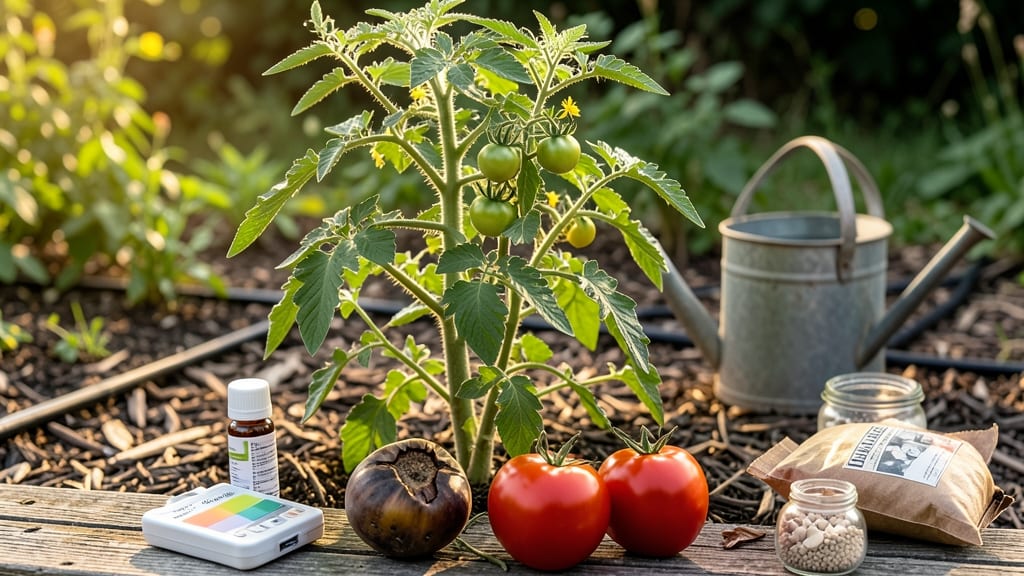
Your tomato plant end rot is turning your fruit to mush from the bottom up—and it’s not your fault. 🌱 Blossom end rot is the sneaky calcium deficiency that ruins harvests, but the fix is simpler than you think.
I’ve saved dozens of plants with these exact steps after my first crop looked like it had been attacked by tiny, invisible chefs.
The problem starts with uneven watering or soil that’s too acidic, starving the fruit of calcium at the crucial moment. Most gardeners overreact by yanking off every affected tomato, but that’s not the best move.
Instead, we’ll focus on preventing new cases while nursing the existing ones back to health with targeted calcium treatments.
By the end of this, you’ll have a foolproof system to keep your tomatoes firm, flavorful, and free of those sunken, leathery patches. The best part? You’ll spot the early warning signs before they ruin your harvest—no more guessing games in the garden.
First, we’ll tackle the root causes—because fixing just the symptoms won’t stop it from coming back. Then, I’ll walk you through three easy calcium boosts (yes, even if you’re not ready to overhaul your soil).
You’ll learn which home remedies work, what to avoid, and how to adjust your watering routine so this never happens again.
No more tossing out half-ripe tomatoes or watching your hard work turn to sludge. With these steps, your plants will recover faster and your future harvests will stay crisp, sweet, and blemish-free. Ready to turn this around? Let’s get those tomatoes back in shape.
Root Causes of Blossom End Rot
Understanding why your tomato plants develop end rot starts with uncovering the hidden factors at play. This frustrating issue isn’t just about watering habits—it’s a complex interplay of calcium deficiency, environmental stress, and nutritional imbalances. Let’s break down the key culprits and why they sabotage your harvest.
🌱 Why it happens: Calcium is the structural backbone of plant cell walls, especially in fast-growing fruits like tomatoes. When your plant can’t absorb enough calcium—even if your soil has plenty—your tomatoes develop blossom end rot (BER), where the bottom of the fruit turns black, leathery, and mushy.
How it sneaks in:
- Poor soil calcium availability – Even if your soil tests high in calcium, other nutrients (like phosphorus or magnesium) can block its uptake.
Think of it like a traffic jam on the plant’s "nutrient highway." - Imbalanced pH levels – Soil pH below 6.0 or above 7.5 makes calcium unavailable to roots.
Tomatoes thrive in slightly acidic soil (6.2–6.8)—outside this range, and calcium becomes locked away. - Inconsistent moisture – Calcium moves passively through the plant (via water flow).
If your soil dries out unevenly, young fruit at the blossom end gets starved first—like a kid at the back of the lunch line missing out on milk.
💡 Pro Tip: Foliar sprays (like calcium nitrate or crushed eggshell tea) can deliver calcium directly to leaves, bypassing root uptake issues. But fix the soil first—surface solutions only mask the problem.
💦 Why it happens: End rot isn’t just about how much you water—it’s about how you water. Tomatoes are 95% water, and their fruit grows faster than the plant can transport nutrients to keep up.
The dangerous patterns:
- Drought followed by deep soaking – When soil dries out, roots shrink and pull away from the soil. Then, a heavy watering flushes calcium away before roots reattach.
This creates a calcium deficit in the fastest-growing tissue: the blossom end. - Inconsistent schedules – Plants need steady moisture, not feast-or-famine cycles.
Uneven watering causes cellular stress, making fruit more susceptible to rot. - Overhead watering – Wet leaves can wash calcium off or spread fungal diseases that weaken the plant’s ability to absorb nutrients.
🔥 Fix It: Use drip irrigation or soaker hoses to deliver water slowly and directly to the roots. Aim for 1–1.5 inches of water per week, keeping soil consistently moist (not soggy).
🧪 Why it happens: Calcium isn’t the only nutrient vying for attention. If your soil is overloaded with nitrogen (N) or potassium (K), these hungry nutrients hog the spotlight, starving calcium out of the equation.
The nutrient showdown:
| Nutrient | Role in Plant | How It Causes End Rot |
|---|---|---|
| Nitrogen (N) | Fuels leafy growth | Too much N = luxuriant foliage but weak roots, reducing calcium uptake. |
| Potassium (K) | Boosts fruit development | High K outcompetes calcium in root absorption, especially in sandy soils. |
| Magnesium (Mg) | Activates enzymes | Excess Mg binds with calcium, making it unavailable to the plant. |
| Phosphorus (P) | Supports root growth | High P slows calcium movement to young fruit. |
🌡️ Soil Test Savvy: Get a soil test to check your calcium-to-magnesium (Ca:Mg) ratio. Ideal is 4:1 or higher. If it’s off, amend with gypsum (calcium sulfate)—it won’t alter pH but will boost available calcium.
☀️ Why it happens: Extreme temperatures and sunlight disrupt calcium uptake and speed up fruit growth, leaving the blossom end vulnerable.
The heat and light connection:
- High daytime temps (above 90°F) – Inhibits calcium absorption through roots.
Tomatoes grown in greenhouses or hot climates are at higher risk. - Rapid fruit expansion – When tomatoes grow too fast (thanks to warm nights), the plant can’t supply calcium quickly enough to the blossom end. - Sun scald on fruit – Overly intense sunlight can damage cell walls, making them more prone to rot, even with enough calcium.
✨ Shade Solution: Use row covers or shade cloth (30%) during peak heat to slow fruit growth and reduce stress. Mulch heavily to keep roots cool.
🌿 Why it happens: If your tomato’s root system is compromised, it can’t absorb calcium or water efficiently, leading to end rot—even in fertile soil.
Common root disruptors:
- Transplant shock – Roots damaged during moving can take weeks to recover, leaving the plant calcium-deficient.
- Compacted or waterlogged soil – Lack of oxygen stresses roots, reducing nutrient uptake.
- Pests (nematodes, grubs) – Feed on roots, weakening the plant’s ability to transport calcium.
- Over-fertilizing – Burns roots, making them less effective at absorbing nutrients.
👨🍳 Root Rescue: Aerate soil with compost or organic matter, avoid working wet soil, and inspect roots for pests. If transplanting, water deeply before and after to encourage root regrowth.
🍅 Why it happens: Young tomatoes (under 2 inches) are most vulnerable to end rot because their cell walls are still developing. Older fruit has had time to build calcium reserves, but new growth gets skipped.
Why size matters:
- Blossom end cells mature last – The part of the fruit nearest the stem develops first, while the blossom end lags behind.
- Fast growth = calcium deficit – If tomatoes swell quickly (thanks to heat or over-fertilizing), the plant can’t keep up with calcium delivery.
🎯 Prevent It: Hand-pollinate flowers (gently shake plants or use a small brush) to slow fruit set and give the plant time to build calcium reserves. Remove small, poorly set fruit to reduce competition.
End rot is rarely just one thing—it’s usually a combo of calcium deficiency, watering mismanagement, and environmental stress. The good news? Most cases are preventable with consistent moisture, soil amendments, and smart growing habits.
Next up: [How to Fix It Fast](#)—because even if your current crop is toast, your next harvest can be rot-free and bountiful!
Fix Blossom End Rot Fast
Blossom end rot may look devastating, but with the right fixes, your tomato plants can bounce back—and even thrive! The key is addressing the root cause (literally and figuratively) while giving your plants the support they need.
Below, we break down the most common triggers and the practical, step-by-step solutions to save your tomatoes. Prevention tips are included to keep future harvests rot-free!
Symptoms: Dark, sunken spots on the blossom end of tomatoes, often starting small but growing larger over time.
How to Fix It:
- 🍳 Apply Calcium-Rich Fertilizer Use a calcium nitrate or gypsum fertilizer (like 1 tbsp per gallon of water) and water the soil at the plant’s base. Avoid spraying leaves—calcium is absorbed through roots, not foliage. Pro Tip: 💡 Mix 1 tbsp of crushed eggshells (baked and ground) into the soil around the plant for a slow-release calcium boost.
- 👨🍳 Boost Soil pH (If Needed) Test your soil’s pH (ideal range: 6.0–6.8). If it’s too acidic (<5.5), amend with lime (follow package instructions). Calcium absorbs poorly in acidic soil.
- 🥘 Water Consistently (But Smartly) Uneven watering stresses plants, worsening calcium uptake. Use drip irrigation or water deeply 1–2 times per day (early morning is best) to keep soil moisture stable. Warning: ⏰ Avoid overwatering—soggy soil leads to root rot, which compounds the problem.
- ✨ Prevent Future Issues
- Mulch with straw or grass clippings to retain moisture and regulate soil temperature.
- Rotate crops—don’t plant tomatoes (or other nightshades like peppers/eggplants) in the same spot yearly.
- Side-dress with compost or worm castings mid-season for steady nutrient supply.
Symptoms: Rot appears after extreme heat, drought, or sudden temperature swings.
How to Fix It:
- 🌿 Provide Shade (Temporarily) If temps exceed 90°F (32°C), use shade cloth (30–50%) to protect plants during peak sun. Tomatoes thrive in 70–85°F (21–29°C).
- 💧 Mulch Like a Pro A 2–3 inch layer of organic mulch (straw, wood chips) keeps roots cool and retains moisture. Replenish as it breaks down.
- 🎯 Gradual Watering Adjustments
- Drought recovery: Water deeply for 2–3 days to rehydrate roots, then return to a consistent schedule.
- Heatwaves: Increase watering frequency but avoid wetting leaves (prevents fungal diseases).
- 🔥 Preventative Care
- Prune lower leaves to improve airflow and reduce humidity around fruit.
- Harvest early if rot starts—smaller tomatoes are less prone to cracking.
| Possible Cause | Quick Fix | Prevention |
|---|---|---|
| Fungal/Bacterial Infection | Remove affected fruit; spray copper fungicide or baking soda mix (1 tbsp baking soda + 1 quart water + a drop of soap). | Rotate crops; avoid overhead watering. |
| Poor Drainage | Amend soil with perlite or sand; raise beds if needed. | Test soil drainage before planting. |
| Over-Fertilizing | Flush soil with water to leach excess salts; switch to balanced fertilizer (10-10-10). | Follow package rates; less is often more! |
Final Tip: 🌱 Don’t toss those tomatoes! If only the blossom end is rotten, cut it off and use the rest for sauces, salsas, or salads. Your next harvest will thank you for the quick action!
Frequently asked questions
Can I still eat tomatoes with blossom end rot?
Yes! Cut off the rotten blossom end and use the rest for sauces, salads, or cooking. The unaffected portions are perfectly safe and nutritious. Just avoid eating the mushy, blackened areas.
How quickly can I expect to see improvement after treating my plants?
With proper calcium treatment and consistent watering, you should see new fruit forming without rot within 2-3 weeks. Existing affected tomatoes won't recover, but your plant will start producing healthy ones. For best results, combine soil amendments with foliar sprays.
Is there a difference between blossom end rot and regular rot?
Yes! Blossom end rot specifically affects the bottom (blossom end) of tomatoes, starting as small dark spots that expand. Regular rot appears as soft, mushy areas anywhere on the fruit and is often caused by fungal/bacterial infections. The key difference is the location and appearance.
Will compost alone fix calcium deficiency?
Compost helps, but it may not provide enough immediately available calcium for fast-growing tomatoes. For quick results, mix compost with crushed eggshells or gypsum (calcium sulfate). A soil test will tell you if your compost has sufficient calcium levels.
Can I prevent end rot in container-grown tomatoes?
Use a high-quality potting mix with added calcium (like 1 tbsp gypsum per gallon), water consistently, and choose containers with drainage holes. Monitor soil moisture closely—containers dry out faster than garden beds, making calcium uptake more critical.