
Plants
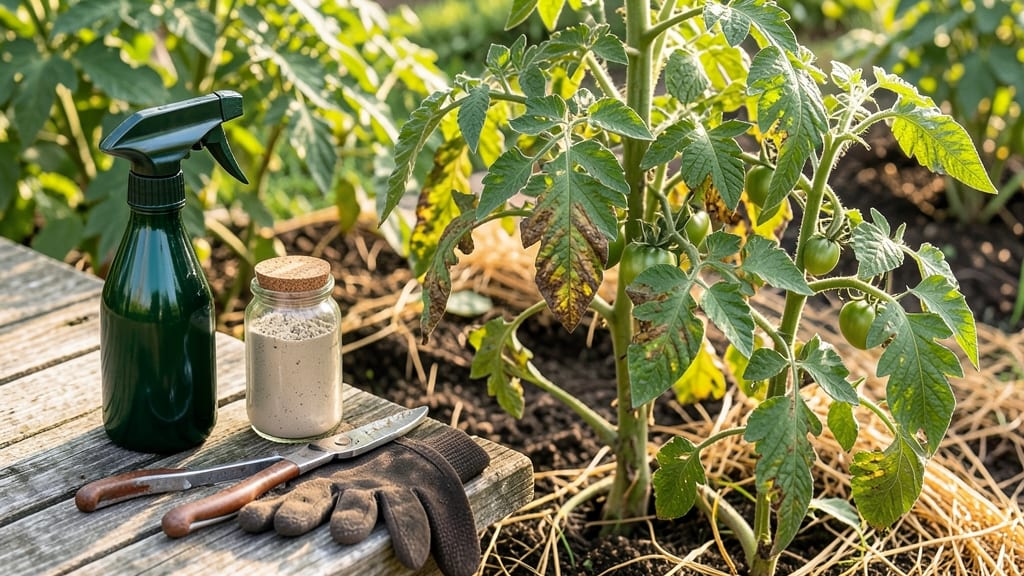
When a fast tomato plant blight treatment turns leaves to mush in days, copper fungicide spray is your fastest weapon. 🌱 I’ve watched entire plants recover within hours after a single application—no more blackened stems or rotting fruit.
The key is acting early, before the fungus spreads to your entire harvest.
Blight starts with yellow spots that grow into greasy-looking patches, then spreads like wildfire in humid weather. Copper spray works by creating a protective barrier on leaves, stopping spores from taking hold.
You’ll need ready-to-use liquid (like Bordeaux mixture) or powdered copper that you mix yourself—both are equally effective when applied correctly.
Within 24 hours, you’ll see the rot slow down, and new growth stays crisp and green. The spray also prevents future infections, so you won’t need to repeat it as often. Just be sure to cover both the tops and undersides of leaves—blight loves hiding there.
For stubborn cases, combine the spray with proper spacing (18–24 inches between plants) and removing infected foliage immediately. Resistant varieties like ‘Mountain Merit’ or ‘Defiant’ can also save your garden next season. Let’s get those tomatoes thriving again!
Root Causes Of Tomato Blight
Tomato blight—whether it’s the dreaded Phytophthora infestans (late blight) or Alternaria solani (early blight)—isn’t just random bad luck. It thrives when specific conditions align, turning your lush tomato plants into a sad, spotted mess.
Understanding why blight strikes is half the battle in stopping it. Let’s break down the real culprits behind this plant plague.
Blight spores are water-loving—they need moisture to germinate and spread. When humidity stays high (especially above 75%) or when plants are drenched from rain, overhead watering, or even morning dew, spores get the perfect environment to take hold.
Poor airflow makes things worse by trapping moisture against leaves, creating a damp, disease-friendly microclimate.
🔹 Key triggers:
- Frequent rain or prolonged dampness (especially in cool weather).
- Overhead irrigation (watering from above instead of at the base).
- Crowded plants blocking airflow (think thick foliage or tight spacing).
- Shady or low-lying garden spots where air doesn’t circulate.
💡 Pro Tip: Space plants 18–24 inches apart and prune leaves to improve airflow. If rain is forecasted, consider a row cover to shield plants temporarily.
Blight isn’t just a warm-weather problem—it’s a temperature opportunist. Late blight (Phytophthora) thrives in cool, wet conditions (50–77°F), while early blight (Alternaria) prefers hot, humid days (75–85°F).
Sudden temperature swings—like a cold snap followed by warm, muggy nights—can weaken tomato plants, making them more susceptible to infection.
🔹 Red flags:
- Early-season planting in cool climates (blight spores can survive in soil or debris from last year).
- Late summer heatwaves with high humidity (ideal for Alternaria to spread).
- Nighttime temperatures dropping below 60°F while days stay warm (perfect for Phytophthora).
🌡️ Actionable Fix: Choose blight-resistant tomato varieties (like ‘Mountain Merit’ or ‘Defiant PhR’) and avoid planting too early in cool seasons. Use mulch to moderate soil temps and reduce stress.
Blight spores are persistent—they can survive in soil, plant debris, and even old compost for years. If you’ve grown tomatoes in the same spot repeatedly without rotation or proper cleanup, you’re basically rolling out a welcome mat for blight.
Infected plant material (like fallen leaves or rotting fruit) acts as a spore factory, ready to reinfect new growth.
🔹 How it spreads:
- Reusing contaminated compost or manure.
- Planting tomatoes in the same family (nightshades like peppers/eggplants) in successive years.
- Ignoring garden cleanup—leaving behind infected stems or fruit.
- Using infected seeds or transplants (a common issue with late blight).
🔥 Prevention Tip: Practice crop rotation—don’t plant tomatoes, peppers, or potatoes in the same spot for at least 3 years. Sterilize tools and containers with a 10% bleach solution (1 part bleach to 9 parts water) between uses.
Blight doesn’t just come from your garden—it hitches rides on wind, water, and even garden tools. Spores from infected plants nearby (or even across town!) can travel miles and land on your tomatoes, especially during storms or high winds.
Once they find a weak spot (like a wound or stressed leaf), they germinate and start spreading.
🔹 How spores invade:
- Wind carries spores from infected crops (e.g., potatoes or other tomatoes).
- Rain splashes spores from soil onto lower leaves.
- Contaminated pruners or hands transfer spores between plants.
- Wild nightshade plants (like Solanum dulcamara) can harbor blight and spread it to your garden.
🛡️ Defense Strategy: Monitor local blight alerts (many states have disease tracking programs) and act fast if outbreaks are reported nearby. Avoid working with plants when they’re wet, and disinfect tools before and after use.
Blight isn’t picky—it exploits any weakness in your garden’s defenses. But now that you know its favorite conditions, you can starve it out before it starves your tomatoes. Next up: how to fight back with copper fungicides and organic fixes.
Quick Fixes for Blighted Tomatoes
Blight doesn’t stand a chance when you act fast and strategically. Below are targeted solutions for the most common causes of tomato plant blight, along with prevention tips to keep your garden thriving.
Whether it’s fungal pressure, bacterial rot, or environmental stress, these fixes are practical, tested, and easy to execute—even for beginner gardeners.
Cause: Phytophthora or Alternaria spores thrive in damp, warm conditions, turning leaves brown and mushy.
🔥 Step 1: Remove Infected Plant Parts Immediately
- 👨🍳 Snip off yellowing or spotted leaves below the blight (use sterilized pruners or scissors).
- 🗑️ Bag and discard infected debris far from the garden (do not compost it).
- ⏰ Do this daily—fungi spread fast, and removing the source stops it in its tracks.
🌡️ Step 2: Apply Copper Fungicide (The Game-Changer)
- 💡 Pro Tip: Copper-based sprays (like copper sulfate or copper hydroxide) disrupt fungal cell walls.
- 🍳 Mix: Follow label instructions (typically 1 tbsp per gallon of water).
- 🥘 Spray: Coat both sides of leaves and stems at dusk or dawn (avoid direct sunlight, which can burn plants).
- ✨ Repeat: Every 7–10 days until new growth appears and no more spots form.
🌧️ Step 3: Improve Airflow & Reduce Moisture
- 💡 Space plants 18–24 inches apart (crowding = fungal paradise).
- 🌡️ Water at the base (avoid overhead sprinkling—it spreads spores).
- 🌬️ Prune lower leaves to encourage airflow and dry foliage faster.
🔄 Prevention for Next Season
- 🌱 Rotate crops—don’t plant tomatoes (or nightshades like peppers/eggplants) in the same spot for 3 years.
- 🌱 Solarize soil in fall: Cover beds with clear plastic for 4–6 weeks to kill fungal spores.
- 🌱 Use resistant varieties like ‘Mountain Merit’ or ‘Defiant PhR.’
Cause: Xanthomonas or Pseudomonas bacteria create water-soaked, oily spots that ooze when wet.
🔪 Step 1: Sterilize Everything
- 👨🍳 Clean tools with 70% rubbing alcohol or a 10% bleach solution before pruning.
- 🗑️ Remove infected leaves immediately—bacteria spread via water splashes.
- 🚫 Avoid composting bacterial debris (it survives heat).
💧 Step 2: Adjust Watering Habits
- 🌧️ Water deeply but infrequently (1–2 inches per week) to avoid leaf wetness.
- 🕒 Water in the morning so foliage dries by night.
- 💡 Use drip irrigation or soaker hoses to keep leaves dry.
🍄 Step 3: Copper or Bacterial Spray (But Different Approach)
- 💡 Copper fungicides work here too, but add a bacterial spray like copper + streptomycin (if available).
- 🍳 Mix: Follow label rates (e.g., 1 tbsp copper + 1 tsp streptomycin per gallon).
- 🥘 Spray every 5–7 days until symptoms stop.
🔄 Prevention for Next Season
- 🌱 Crop rotation is critical—bacteria linger in soil.
- 🌱 Plant in raised beds for better drainage.
- 🌱 Choose resistant varieties like ‘Celebrity’ or ‘Bush Early Girl.’
Cause: Extreme temps cause sun scorch (white/yellow patches) or cold shock (blackened edges).
🌞 Step 1: Shield from Heat
- 💡 Use shade cloth (30–50%) during peak afternoon sun (12–4 PM).
- 🌱 Mulch heavily (2–3 inches of straw or wood chips) to regulate soil temp.
- 💧 Increase watering (but not overhead) to cool roots.
❄️ Step 2: Protect from Cold Snaps
- 🌱 Cover plants with frost blankets or row covers if temps drop below 50°F (10°C).
- 💡 Move potted tomatoes to a sheltered spot (garage, porch) if frost is forecasted.
- 🌱 Plant in microclimates (south-facing walls, near heat-retaining structures).
🔄 Prevention for Next Season
- 🌱 Choose heat-tolerant varieties like ‘Solar Fire’ or ‘Heatmaster.’
- 🌱 Succession plant in stages to avoid sudden cold shocks.
- 🌱 Monitor weather forecasts and plan for season extenders (hoop houses, cold frames).
If your plant is beyond saving, but you want to salvage tomatoes:
- 🍅 Harvest ripe fruit immediately—blight rarely spreads to fruit once it’s mature.
- 🌱 Propagate healthy cuttings from non-infected stems for next season.
- 🌱 Replace the plant with a new, disease-free transplant if the season is young.
Remember: The key to beating blight is speed + prevention. Once you spot the first signs, act within 24 hours—your tomatoes will thank you with juicy, blemish-free harvests all season long! 🍅✨
Frequently asked questions
How quickly does copper fungicide work on tomato blight?
You’ll typically see visible improvement within 24-48 hours after application, with new growth appearing blight-free within 5-7 days if applied correctly. Copper disrupts fungal spores immediately, but repeated applications every 7-10 days are needed to fully protect plants. The key is coating both leaf surfaces thoroughly at dawn or dusk.
Can I use homemade remedies like milk or baking soda instead of copper?
Yes, but with limitations. A 1 tablespoon baking soda + 1 teaspoon dish soap per gallon of water spray can help prevent early blight, but it won't stop advanced infections like late blight. For homemade options, milk spray (1 part milk to 9 parts water + a drop of soap) shows promise against powdery mildew but works best as a preventive measure, not a cure.
When should I remove an entire tomato plant if it's infected?
Remove the whole plant immediately if you see blackened stems, wilting, or fruit rot—these are signs of advanced late blight. For early blight with only leaf spots, you can save the plant by pruning infected foliage and applying copper. Bag and destroy infected plants far from your garden to prevent spore spread. Never compost blighted material.
Will blight treatment affect my tomato fruit quality or taste?
Not at all when using copper fungicides properly! Copper is organic and safe once fully cured (wait 14 days before eating treated tomatoes). The spray protects leaves without entering the fruit. In fact, healthy plants from proper treatment often produce sweeter, more flavorful tomatoes since they're not stressed fighting disease.
How do I know if my tomato plant has early blight vs. late blight?
Early blight shows concentric brown rings on leaves (like bullseyes) and affects lower leaves first. Late blight creates greasy-looking dark spots that spread rapidly to stems and fruit, often in cool, wet conditions. Early blight is more common in hot weather, while late blight thrives when nights are cool and humid. Check stems for blackening to confirm late blight.