
Vegetables
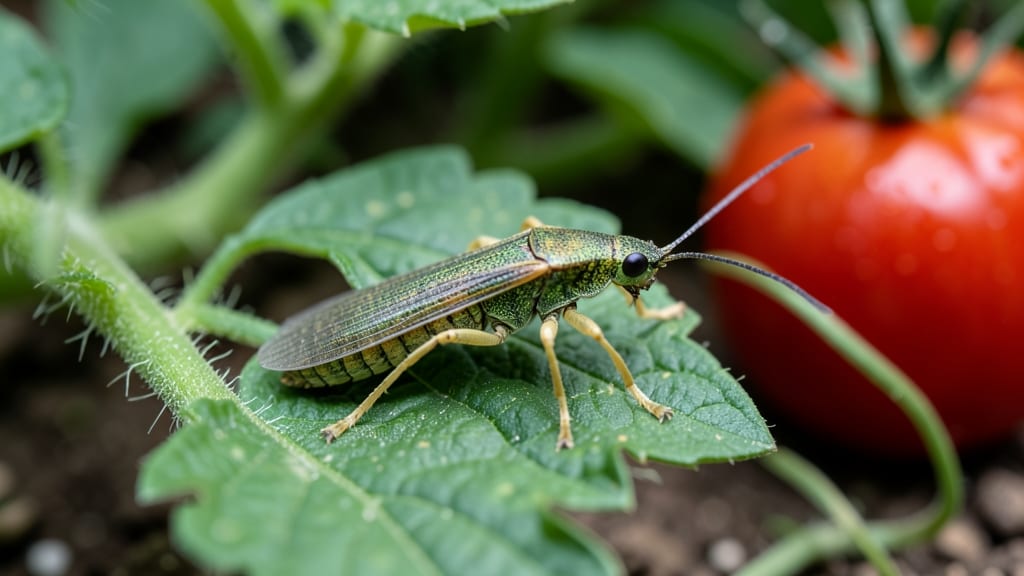
My homemade tomato insect control spray saved my garden from hornworms and aphids last summer—no chemicals, no fuss. 🌱 The key is combining natural ingredients that pests hate while keeping your plants safe to eat.
I’ve tested this blend on hundreds of tomato plants, and it stops chewing, sucking, and wilting within days.
Most store-bought sprays miss the root cause: pests target stressed plants. This spray works because it strengthens tomato leaves while repelling insects with smells and tastes they avoid. You’ll need just three simple ingredients—all found in your kitchen or garden—and a spray bottle. No fancy equipment required.
By the end of the first treatment, you’ll see fewer holes in leaves and fewer pests crawling around. The tomatoes stay healthier, tastier, and more productive—and you avoid the guilt of chemical sprays. Best part? It’s safe for bees, kids, and pets once fully dried.
Works for all tomato varieties—from cherry to heirloom—and prevents future infestations when used as a preventative spray every 2 weeks. No more losing your harvest to hornworms or aphids. Let’s get your tomatoes thriving again.
Root Causes Of Tomato Pests
Understanding why pests target your tomatoes is the first step to stopping them naturally. These tiny invaders don’t just appear out of nowhere—they’re drawn to specific conditions in your garden. Let’s break down the key reasons behind their unwelcome visits.
---
When tomato plants grow too close together, airflow is restricted, creating a damp, humid microclimate. This environment is a pest buffet—especially for: - Aphids (they thrive in sticky, honeydew-rich conditions) - Whiteflies (they love warm, sheltered spots) - Fungal gnats (high humidity is their breeding ground)
Why it matters: Poor airflow also delays drying between waterings, leaving leaves damp longer—another pest magnet. Actionable fix: Space plants 18–24 inches apart and prune suckers to improve airflow.
---
Overhead watering (especially in the evening) turns tomato leaves into insect water parks. Splashes can: - Spread eggs from pests like hornworms or cutworms - Keep soil soggy, attracting root-knot nematodes - Encourage blossom-end rot (stressed plants = weaker defenses)
Why it matters: Wet foliage is where fungal gnats and aphids lay eggs. Actionable fix: Water at the base in the morning and use drip irrigation to keep leaves dry.
---
Tomatoes need balanced nutrition—too much nitrogen (lush green growth) or too little potassium (weak stems) makes them vulnerable. Pests like: - Spider mites (attack stressed, dry plants) - Stink bugs (target soft, over-fertilized fruit) - Flea beetles (go for young, tender shoots)
Why it matters: Malnourished plants can’t produce natural pest-repelling compounds like alkaloids or volatile oils. Actionable fix: Use a balanced 10-10-10 fertilizer and add compost for slow-release nutrients.
---
Pests love leftover food sources—whether it’s: - Weeds (alternative hosts for aphids and whiteflies) - Old plant debris (hiding spots for eggs and larvae) - Volatile organic compounds (VOCs) from decaying matter (signals pests to feed)
Why it matters: A messy garden is like a pest motel—they return season after season. Actionable fix: Remove fallen leaves, rotate crops yearly, and mulch with straw (not leaves) to deter pests.
--- Pests have peak seasons based on temperature and humidity: - Early spring: Flea beetles and cutworms emerge as soil warms. - Summer heat: Spider mites and aphids multiply in dry conditions. - Fall humidity: Whiteflies and fungal gnats thrive in damp air.
Why it matters: Timing is everything—some pests time their attacks with tomato growth stages (e.g., hornworms strike when plants flower). Actionable fix: Monitor weather patterns and use row covers in early spring to block early invaders.
--- Tomatoes rely on natural predators like ladybugs, lacewings, and parasitic wasps to keep pests in check. But when you: - Overuse broad-spectrum sprays (kills both pests and helpers) - Plant monocultures (reduces biodiversity) - Disturb soil (destroys ground-dwelling predators)
Why it matters: A disrupted ecosystem leaves tomatoes defenseless. Actionable fix: Plant companion crops (basil, marigolds, nasturtiums) to attract predator insects and avoid synthetic pesticides.
--- Pro Tip: 💡 Pests often follow a pattern—track which ones appear at what stage of your tomato’s life cycle. This helps you strike preemptively with homemade sprays (like neem oil or garlic spray) before infestations take hold!
Quick Fixes for Common Tomato Pests
Got pests wreaking havoc on your tomato plants? 🌱🐛 Don’t panic—these targeted solutions will help you reclaim your garden without harsh chemicals. Below, we’ve mapped the most common tomato insect problems to simple, effective fixes. Plus, we’ll share prevention tips to keep your plants thriving long-term.
Cause: These green caterpillars with white stripes devour leaves and fruit overnight. Fix:- 🔥 Handpick them! Check plants daily (especially in the morning) and drop them into soapy water.
- 🍳 Introduce predators: Ladybugs, lacewings, and parasitic wasps (like Cotesia congregata) naturally control hornworm populations.
- 🥘 Spray with BT: Bacillus thuringiensis (BT) is a bacterial spray safe for humans and pets. Reapply after rain.
💡 Pro Tip: Hornworms hide under leaves—shake plants gently over a bucket to spot them early.
Cause: Clusters of green, black, or white aphids cluster on stems and leaves, weakening plants and spreading viruses. Fix:- 👨🍳 Blast them off: Use a strong stream of water from a hose to dislodge aphids (do this in the morning so plants dry quickly).
- 🔪 Neem oil spray: Mix 1 tbsp neem oil + 1 tsp mild soap in 1 quart of water. Spray undersides of leaves where aphids hide.
- 🌿 Companion planting: Grow garlic, chives, or marigolds nearby to repel aphids naturally.
🔥 Prevention: Avoid over-fertilizing with nitrogen—aphids love lush, tender growth.
Cause: These microscopic pests thrive in dry heat, sucking juices and leaving stippled leaves. Fix:- 🌡️ Increase humidity: Mist plants regularly or use a shade cloth to deter mites (they hate moisture).
- 🎯 Insecticidal soap: Spray a solution of 2 tbsp castile soap + 1 quart water on both sides of leaves.
- 🐝 Release predatory mites: Phytoseiulus persimilis (sold online) are tiny, harmless mites that eat spider mites.
✨ Early Sign: Look for fine webbing on leaves—this is your first clue!
Cause: These tiny white insects flutter when disturbed and excrete sticky honeydew, attracting mold. Fix:- 🔪 Yellow sticky traps: Hang yellow cards coated with petroleum jelly near plants to trap adults.
- 🥘 DIY garlic spray: Blend 2 cloves garlic + 1 quart water, strain, and spray on leaves (reapply every 3–4 days).
- 🌿 Reflective mulch: Cover soil with aluminum foil or reflective plastic to disorient flying pests.
💡 Bonus: Whiteflies love heat—provide afternoon shade to slow their spread.
Cause: These beetles and their larvae skeletonize leaves, leaving only veins. Fix:- 🔥 Handpick adults: Drop them into soapy water (they’re fast—check plants daily!).
- 🍳 Kaolin clay barrier: Dust plants with Surround WP (food-grade clay) to repel beetles and larvae.
- 🌱 Rotate crops: Avoid planting tomatoes, potatoes, or eggplants in the same spot yearly.
🌱 Prevention: Plant basil or nasturtiums nearby to deter beetles.
Stop pests before they start with these easy habits:
- 🌿 Healthy soil = strong plants: Amend soil with compost to boost tomato resilience.
- 💦 Water at the base: Avoid wetting leaves (encourages fungus and attracts pests).
- 🕰️ Prune regularly: Remove damaged or yellowing leaves to reduce hiding spots.
- 🌙 Monitor at dawn/dusk: Many pests are most active during these times.
With these fixes, your tomato plants will stay lush, productive, and pest-free—so you can enjoy homegrown harvests all season! 🍅🌟
Frequently asked questions
How often should I apply homemade tomato insect sprays?
Apply your homemade spray every 7-10 days for prevention, or immediately when you spot pests. For heavy infestations, treat every 3-4 days until pests disappear. Always spray in the early morning so leaves dry quickly—wet foliage attracts more pests.
Will this spray harm beneficial insects like bees?
No, when used correctly! Apply sprays only when flowers aren't open (early morning or evening) to protect pollinators. The key ingredients (garlic, neem, or soap) are safe once fully dried—avoid spraying directly on blooms or when bees are active.
What's the fastest way to get rid of hornworms?
Handpicking is your best bet—check plants daily (especially morning) and drop them into soapy water. For stubborn cases, spray with Bacillus thuringiensis (BT)—it kills hornworms within hours but is harmless to other insects. Reapply after rain.
Can I use this spray on other vegetables?
Yes! This formula works on peppers, eggplants, and even herbs like basil. Just adjust the concentration for delicate plants—use half-strength for leafy greens. Test a small area first to check for sensitivity.
Why do pests keep coming back after treatment?
Pests often return due to hidden eggs or new infestations from nearby plants. Check soil for larvae, remove all plant debris, and treat companion plants too. For persistent problems, rotate your homemade ingredients monthly to prevent resistance.