
Vegetables
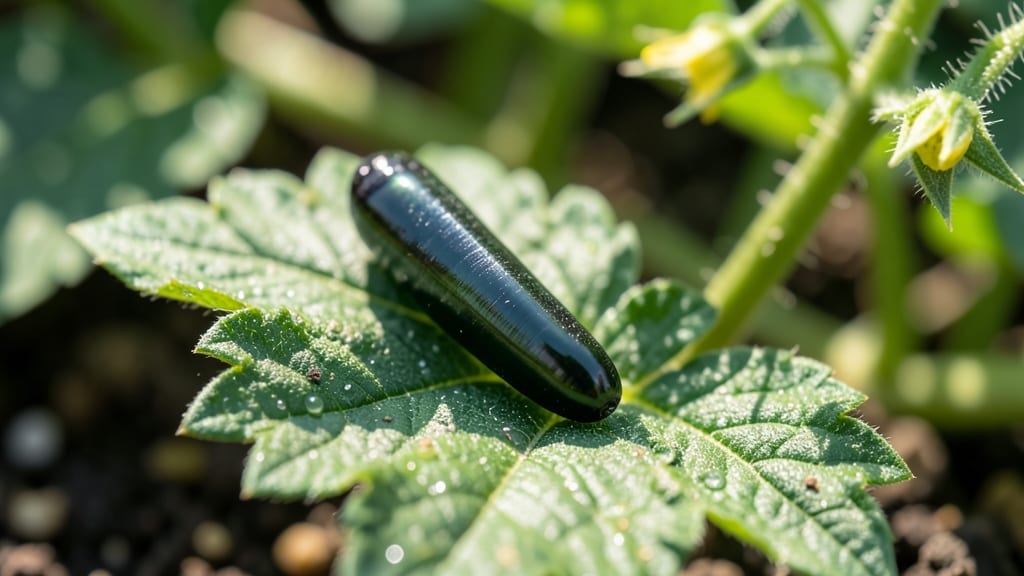
Finding tiny black droppings on your tomato leaves is your first warning that tomato hornworms are eating your plants. 🌱 These hungry caterpillars can strip a plant bare in days, but their droppings are the clue that lets you act before it's too late.
The damage isn't just cosmetic—it weakens vines, invites disease, and cuts yields dramatically.
Here's the thing—hornworms are hard to spot until they're already causing problems, but their droppings are impossible to miss. They look like tiny black pellets scattered along leaf edges or stems.
The good news? This is a battle you can win without harsh chemicals. I've used these same methods to save my entire tomato crop three summers in a row.
You'll learn how to identify the droppings, lure the hornworms out of hiding, and use their natural predators to keep them in check. The solution isn't complicated—it's about timing, placement, and understanding their life cycle. Within a week of starting these methods, my plants were recovering faster than I expected.
Works for backyard gardens, container tomatoes, and even greenhouse setups. The key is catching them early when the droppings first appear. Let's get your plants back to thriving before the hornworms get ahead of you.
The Hidden Culprits Behind Pests
When you spot those tiny black pellets scattered across your tomato plants, they’re not just random debris—they’re a clear sign of a stealthy invader at work. The tomato hornworm (Manduca sexta) is one of the most voracious pests in the garden, and its droppings are a dead giveaway.
But why do these caterpillars leave such a messy trail? Let’s break down the science and behavior driving this garden nuisance.
The tomato hornworm thrives when its natural enemies—like parasitic wasps (e.g., Cotesia congregata) and ladybugs—are scarce. Without these predators, hornworm populations explode, leading to a feeding frenzy.
A single caterpillar can devour an entire tomato leaf overnight, leaving behind a trail of dark, cylindrical droppings (frass) as a byproduct of its high-protein diet.
Why it happens:
- Lack of biodiversity in the garden reduces predator populations, giving hornworms free rein.
- Monoculture planting (e.g., rows of tomatoes with no companion plants) attracts more hornworms and repels their natural foes.
- Pesticide use can kill beneficial insects, creating a vacuum that hornworms rush to fill.
Actionable fix: Introduce dill, fennel, or basil near tomato plants to attract parasitic wasps. Avoid broad-spectrum pesticides and handpick hornworms (they’re easy to spot—they’re big, green, and have a "horn" on their rear!).
Stressed or nutrient-deficient tomato plants are like an all-you-can-eat buffet for hornworms. Weak foliage is easier to chew through, and the caterpillars’ droppings become a secondary stressor, further damaging the plant’s ability to photosynthesize.
Why it happens:
- Nitrogen deficiency makes leaves tender and more appealing to hornworms.
- Overwatering or drought stress weakens plants, making them easier targets.
- Poor soil health (compacted or lacking organic matter) stunts growth, leaving plants vulnerable.
Actionable fix:
- Test soil pH and amend with compost or worm castings to boost nutrients.
- Use mulch to retain moisture and regulate soil temperature.
- Rotate crops annually to prevent soil-borne stress from recurring.
Hornworms are most active during peak tomato growing seasons (late spring to early fall in most climates). Their lifecycle is synchronized with tomato plants’ rapid growth, ensuring a steady food source.
Eggs laid on leaves hatch in 3–5 days, and caterpillars reach full size in 2–3 weeks, leaving behind a constant trail of droppings as they grow.
Why it happens:
- Synchronized hatching ensures a wave of hornworms appears when tomatoes are most vulnerable.
- Warm nights accelerate their growth and appetite.
- Early planting of tomatoes can mean hornworms arrive before natural predators recover from winter.
Actionable fix:
- Monitor plants weekly during peak season (use a flashlight at dusk to spot eggs).
- Plant early-season varieties or use row covers until flowers appear (hornworms dislike the texture).
- Encourage beneficial nematodes (like Steinernema carpocapsae) in the soil to target hornworm larvae.
Hornworms aren’t just random foragers—they’re drawn to volatile organic compounds (VOCs) emitted by healthy tomato plants. These chemical signals act like a dinner bell, guiding them straight to your crop. Even a few droppings on a plant can amplify the scent, attracting more hornworms in a feedback loop.
Why it happens:
- Tomato plant VOCs (like hexanal and linalool) are irresistible to hornworm moths, which lay eggs nearby.
- Damaged leaves release even more attractant chemicals, creating a "find me" signal.
- Nearby infested plants can spread the problem via pheromones or shared pollinators.
Actionable fix:
- Use physical barriers like floating row covers to block moths from laying eggs.
- Interplant tomatoes with marigolds or nasturtiums to mask VOCs and confuse pests.
- Remove droppings and damaged leaves daily to break the chemical attraction cycle.
Quick Fixes for Garden Pests
Discovering dark, pellet-like droppings on your tomato plants is never fun—but the good news is, you can tackle the problem fast with natural, effective solutions. Below, we’ve mapped out the most common causes of these droppings (like tomato hornworms, aphids, or even slugs) and paired them with simple, actionable fixes.
The key? Act early, stay consistent, and prevent future invasions.
If the droppings are large, dark, and irregular (like rice grains), hornworms are likely the culprits. These hungry caterpillars can strip a plant bare in days!
🔥 Step 1: Spot & Squash (or Relocate)
- 👨🍳 Scan your plants at dawn or dusk when hornworms are most active. Look for:
- Green, 3-4 inch caterpillars with white stripes and a "horn" on their rear.
- Chewed leaves with droppings below (a dead giveaway).
- 🔪 Kill them manually: Drop them into soapy water (1 tbsp dish soap per gallon) or crush them (if you’re feeling brave). No chemicals needed!
🥘 Step 2: Set Up Traps
- 🍎 Yellow sticky traps: Hang these near plants to catch adult moths before they lay eggs.
- 🌱 Companion planting: Interplant with basil, dill, or marigolds—hornworms avoid these scents.
⏰ Step 3: Prevent Future Eggs
- 🌡️ Check undersides of leaves weekly for tiny, green eggs. Wipe them off with a damp cloth.
- ✨ Use neem oil spray (1 tsp neem oil + 1 tsp mild soap per quart of water) to deter egg-laying moths.
Tiny, glossy black or brown droppings (like tiny grains of sugar) often mean aphids, spider mites, or whiteflies are sucking the life out of your tomatoes.
💡 Step 1: Blast Them Off
- 💦 Spray with water: Use a strong hose stream to knock aphids off leaves. Repeat every 2–3 days.
- 🧼 Soap spray: Mix 1 tbsp castile soap + 1 quart water in a spray bottle. Test on a small leaf first!
🎯 Step 2: Introduce Beneficial Insects
- 🐞 Ladybugs & lacewings: Buy or attract them—they love aphids. Plant dill or fennel to lure them in.
- 🕷️ Spiders: They’re natural predators too! Avoid pesticides that harm them.
🌱 Step 3: Fortify Your Plants
- 🍋 Garlic/chili spray: Blend 1 garlic bulb + 1 chili pepper + 1 quart water, strain, and spray on leaves.
- 🌿 Mulch heavily: A thick layer of straw or grass clippings blocks aphids from climbing up plants.
If you find slime trails + small, irregular droppings, slugs or snails are munching on your tomatoes (especially at night).
🔥 Step 1: Set Traps
- 🍺 Beer traps: Bury a shallow dish filled with beer near plants. Slugs crawl in and drown.
- 🥚 Eggshell barriers: Crush eggshells into a ring around plants—slugs hate the texture.
👨🍳 Step 2: Manual Removal
- 🌙 Hunt at night: Use a flashlight to spot slugs (they leave shiny trails). Drop them in soapy water.
- 🧹 Pick them off: Wear gloves and pluck them into a bucket of saltwater (instant death).
🌡️ Step 3: Long-Term Deterrents
- 🌿 Copper tape: Wrap it around pots or raised beds—slugs get a mild shock when they touch it.
- 🌱 Diatomaceous earth: Sprinkle food-grade DE around plants (reapply after rain). It’s non-toxic but deadly to slugs.
Once you’ve dealt with the current infestation, stop it from coming back with these pro moves:
- 💡 Rotate crops: Avoid planting tomatoes in the same spot yearly (pests remember!).
- 🌿 Keep the garden clean: Remove debris and fallen leaves where pests hide.
- 🌱 Healthy soil = strong plants: Use compost and worm castings to boost tomato resilience.
- 🕵️ Monitor weekly: Check plants for early signs of droppings or eggs—catching pests early saves your harvest!
With these fixes, your tomato plants will bounce back faster than you think. And remember: A little effort now means fewer headaches (and more tomatoes!) later. 🍅🚀
Frequently asked questions
What do tomato hornworm droppings look like?
They appear as small, dark green to black cylindrical pellets, about 1/8-inch long, scattered along leaf edges or stems. Think of them like tiny rice grains but irregular in shape. The droppings are a dead giveaway because hornworms leave them behind as they feed, often in clusters where they've been chewing.
Are tomato hornworm droppings harmful to my plants?
Yes, they're more than just unsightly—they can damage your plants in two ways. First, the droppings contain compounds that can clog leaf pores, reducing the plant's ability to photosynthesize. Second, hornworms leave behind chewed leaves that weaken the plant, making it vulnerable to disease. The sooner you remove both the caterpillars and their droppings, the better your tomatoes will recover.
How can I tell if the droppings are from hornworms vs. other pests?
Hornworm droppings are larger and darker than those from aphids or mites. Aphid droppings are tiny, glossy grains, while hornworm droppings resemble small, irregular pellets. Also, check for chewed leaves with ragged edges—hornworms leave behind distinctive feeding patterns. If you see both the droppings and the characteristic "horn" on a green caterpillar, it's definitely a hornworm.
Will removing the droppings alone stop the problem?
No, removing droppings is just the first step. You must also eliminate the hornworms themselves—they'll keep producing more droppings until they're gone. Handpick the caterpillars (they're easy to spot when they're large), use neem oil spray, or introduce parasitic wasps (like Cotesia congregata) to control the population naturally.
Can tomato hornworm droppings spread disease?
Yes, the droppings can harbor fungal spores and bacteria that may infect your tomato plants, especially if left on the leaves. The moisture from droppings can create ideal conditions for early blight or powdery mildew. Always remove droppings with a damp cloth or hose, and ensure your plants have good airflow to prevent fungal growth.