
Planting
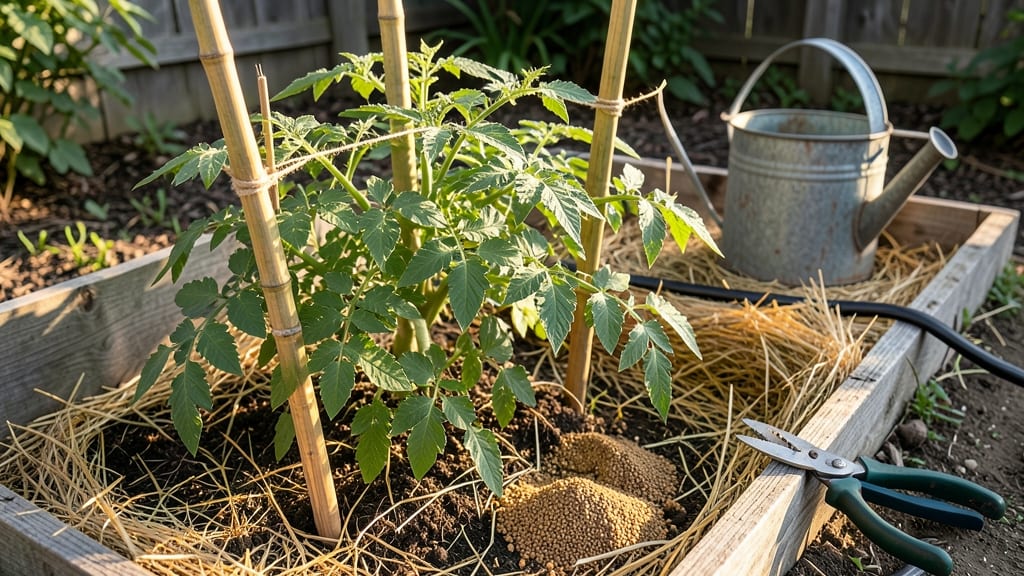
Boosting tomato plant growth starts with sunlight, water, and soil secrets that turn floppy seedlings into bushy, fruit-loaded powerhouses. 🌱 I’ve watched my own plants go from sad saplings to towering producers by focusing on three key factors: morning sun, deep watering, and nutrient-rich soil.
The difference between a handful of tomatoes and a basketful often comes down to these basics. The right setup makes all the difference—whether you’re growing in containers or in the ground.
Start with well-draining soil mixed with compost, water deeply at the base (not overhead), and stake plants early to prevent sprawl. Even a small change, like adding a handful of worm castings, can trigger a growth spurt in just a few weeks.
By midseason, you’ll notice thicker stems, more leaves, and clusters of blossoms instead of just leaves. The secret isn’t complicated—it’s consistent care that mimics what tomatoes crave in their native tropics.
Prune suckers regularly, mulch to retain moisture, and watch your plants reward you with heavier, juicier fruit than you’ve ever seen. This works for both beginners and experienced gardeners—just adjust the scale. Container growers? Use larger pots with extra drainage. In-ground? Amend heavy soil with sand or peat moss.
The principles stay the same, and the results speak for themselves.
📚 In This Guide
- What you need
- Instructions
- Tips and common mistakes
- Wrapping up and next steps
What you need
- ● Tomato seeds or seedlings: Start with heirloom or hybrid varieties suited to your climate (e.g., Cherry, Beefsteak, or Roma). Buy 5–10 seeds or 3–5 seedlings per plant.
- ● Containers or garden bed: For containers: 5-gallon pots (minimum) with drainage holes (1–2 plants per pot).
- ● For garden beds: Loose, well-draining soil with 18–24 inches of depth and 2–3 feet of spacing between plants.
- ● High-quality potting mix: Sterilized, organic mix (e.g., 50% peat moss, 30% compost, 20% perlite). 10–15 lbs per container or 1 cubic yard for in-ground planting.
- ● Fertilizer: Balanced starter fertilizer: 10-10-10 or 5-5-5 NPK ratio (1 tbsp per gallon of water).
- ● Tomato-specific fertilizer: High in phosphorus/potassium (e.g., 5-10-10 or 2-4-4) for flowering/fruiting. Apply every 2–3 weeks.
- ● Watering can or hose with gentle nozzle: 1–2 gallons per plant for deep watering (avoid overhead sprinklers).
- ● Mulch: Straw, shredded leaves, or black plastic (1–2 inches thick) to retain moisture and suppress weeds.
- ● Stakes or cages: 6–8 ft tall bamboo stakes or heavy-duty tomato cages (1 per plant).
- ● Pruning shears: Sharp, sterilized shears for trimming suckers and dead leaves.
- ● Growth boosters: Compost tea (1 cup per gallon of water, weekly).
- ● Fish emulsion or seaweed extract (for organic nutrient kick).
- ● Epsom salt (1 tbsp per gallon of water, monthly for magnesium).
- ● Soil amendments: Worm castings, bone meal, or kelp meal to enrich soil.
- ● Shade cloth: 30–50% coverage for seedlings or hot climates.
- ● pH tester kit: Ensure soil pH is 6.0–6.8 (tomatoes love slightly acidic soil!).
- ● Drip irrigation system: Automates watering for consistent moisture.
Step-by-step instructions for maximizing tomato plant growth
Here's the no-fuss method I use to coax tomatoes into producing heavy, flavorful yields—no fancy gadgets required.
☀️ Step 1: Position Plants for Full Sun Exposure
Tomatoes crave 6-8 hours of direct sunlight daily, but most home gardens fall short. Place your plants where they'll get morning sun plus afternoon light—south-facing spots work best in the Northern Hemisphere. If your yard lacks full sun, supplement with a grow light positioned 2-3 inches above the plants for 14-16 hours daily.
You'll know your plants are getting enough light when the leaves stay deep green and compact. Leggy, pale stems with leaves spaced far apart? That's a sign to move them closer to the light source or extend their exposure. I always check the undersides of leaves—if they're yellowing, it's a red flag for insufficient light.
💧 Step 2: Water Deeply and Consistently
Tomatoes need 1-2 inches of water per week, delivered at the base of the plant (never overhead). Water deeply 2-3 times per week until the top 2-3 inches of soil feel moist. Use a soaker hose or drip irrigation to keep moisture even—this prevents surface drying that stresses roots. I water in the early morning so foliage has all day to dry, reducing disease risk.
Watch for wilting leaves midday—that's your cue to water immediately. But don't overdo it: soggy soil leads to blossom-end rot and weak stems. Stick your finger in the soil: if it's dry 1 inch down, it's time to water. Mulch with 2-3 inches of straw to lock in moisture and keep roots cool.
🌿 Step 3: Feed with Balanced Fertilizer
Tomatoes are heavy feeders, so I start with a balanced 10-10-10 fertilizer at planting, then switch to a low-nitrogen, high-phosphorus formula (like 5-10-10) once flowers appear. Mix 1 tablespoon of fertilizer per gallon of water and apply every 2 weeks during the growing season. Avoid high-nitrogen feeds—those promote leafy growth at the expense of fruit.
You'll see the difference within 2-3 weeks: stronger stems, larger leaves, and more blossoms. For organic growers, I recommend compost tea or fish emulsion—both provide nutrients without burning roots. Always water the soil first to prevent fertilizer burn on tender roots.
✂️ Step 4: Prune for Airflow and Support
Prune suckers (the small shoots that grow in the V-shaped junction between the stem and a branch) weekly to redirect energy to fruit production. Use clean pruning shears to snip suckers at their base—don't leave stubs, or they'll regrow. I also remove lower leaves up to 12 inches from the ground to improve airflow and prevent soil-borne diseases.
Support your plants with cages or stakes as soon as they hit 12 inches tall. Tomatoes grow fast, and unsupported vines snap easily in wind or rain. Trellising also makes harvesting easier and improves air circulation, which cuts down on fungal issues. If you're growing indeterminate varieties (the ones that keep producing all season), keep pruning suckers until late summer—they'll reward you with a longer harvest window.
🌱 Step 5: Monitor and Adjust for Pests/Disease
Inspect plants weekly for signs of trouble: yellowing leaves (nutrient deficiency or overwatering), spotted foliage (fungal disease), or chewed leaves (pests). At the first sign of aphids or whiteflies, spray with neem oil or insecticidal soap—both are plant-safe and effective. For fungal issues like early blight, remove affected leaves immediately and apply copper fungicide preventatively.
Here's the thing—tomatoes are stress-sensitive, so address problems fast. A single missed spray can turn a minor pest issue into a full-blown outbreak. I also rotate my planting spots every 3 years to prevent soil-borne diseases from building up. Healthy soil equals healthy plants, and that's where the biggest harvests start.
Tips & tricks for maximizing tomato growth
Small adjustments in your approach can transform your tomato plants from struggling survivors to thriving producers. Here's what I've learned after years of trial and error in my own garden.
Light Optimization: Those 6-8 hours of sunlight are non-negotiable, but don't stop there. I've found that rotating plants quarter-turn weekly prevents them from leaning toward the sun. This creates more even growth and stronger stems. For container growers, place pots on casters so you can easily reposition them as the sun moves across your yard.
Watering Wisdom: The 1-2 inches of water per week guideline works, but timing matters even more. I've noticed that watering at the same time daily (like 6 AM) helps establish a routine for your plants. For containers, check soil moisture more frequently—they dry out faster. And here's the thing: if you're using tap water, let it sit out overnight first. Chlorine can stress young plants, and they'll drink up that water quickly.
Fertilizer Timing: That switch from 10-10-10 to 5-10-10 when flowers appear is crucial, but don't stop there. I've seen the biggest difference when I apply fertilizer right after watering—this prevents burn on tender roots. For organic options, I mix 1 tablespoon of fish emulsion per gallon of water and apply it every 2 weeks alongside my regular feedings. The results? More blossoms and fewer leafy stalks competing for energy.
Pruning Precision: When you're pruning those suckers weekly, focus on the V-shaped junctions between main stems and branches. I've learned to make cuts just above where the sucker meets the main stem—this prevents stubs that can regrow. For indeterminate varieties, I keep pruning until late summer to extend the harvest window. Just remember: the more you prune, the more you'll need to support those heavy fruit loads with stakes or cages.
Pro Tips for Boost Tomato Plant Growth
- Small adjustments in your approach can transform your tomato plants from struggling survivors to thriving producers.
- Light Optimization: Those 6-8 hours of sunlight are non-negotiable, but don't stop there.
- Watering Wisdom: The 1-2 inches of water per week guideline works, but timing matters even more.
Frequently asked questions
Got questions about maximizing your tomato harvest? You’re not alone! Here are some of the most common queries—and straightforward answers—to help your plants thrive.
How often should I water my tomato plants to boost growth?
Water deeply 1-2 times per week (adjust based on weather). Aim for 1-1.5 inches of water per week, ensuring the soil stays moist but not soggy. Morning watering prevents fungal diseases like blight. Use drip irrigation or soaker hoses to keep leaves dry and roots hydrated.
When is the best time to fertilize tomato plants for faster growth?
Fertilize every 2-3 weeks starting when flowers appear (early blooming stage). Use a balanced 10-10-10 or tomato-specific fertilizer with extra phosphorus for flowering. Switch to a low-nitrogen, high-potassium blend (like 5-10-10) when fruit sets to encourage sweetness and disease resistance.
What’s the ideal temperature range for tomato plants to grow big and strong?
Tomatoes love warmth! Ideal daytime temps: 70–85°F (21–29°C). Nighttime temps should stay above 55°F (13°C). Below 50°F (10°C) stunts growth, while above 90°F (32°C) can cause blossom drop. Use shade cloth or mulch to protect plants in extreme heat.
Can I use coffee grounds or eggshells to boost tomato growth?
Yes! Both are great natural amendments:
- Coffee grounds: Add to soil (1–2 cups per plant) for nitrogen and acidity-lowering. Mix into compost first to avoid mold.
- Eggshells: Crush and bury near roots to provide calcium, preventing blossom-end rot. Soak in water for 24 hours before using.
For best results, combine these with compost or balanced fertilizer.
Why are my tomato leaves yellowing, even with good care?
Yellow leaves (chlorosis) often signal overwatering, nutrient deficiency, or pests. Check for:
- Nitrogen deficiency: Add compost or a balanced fertilizer.
- Root rot: Let soil dry slightly between waterings.
- Pests: Inspect for aphids or spider mites (spray with neem oil if needed).
- Poor drainage: Amend soil with perlite or sand.
Prune severely affected leaves to redirect energy to fruit production.
Wrapping up and next steps
Growing thriving tomato plants is all about patience, consistency, and a little extra love—whether it’s through proper sunlight, balanced watering, nutrient-rich soil, or smart pruning. With these sunlight, water, and soil secrets, you’re well on your way to a bountiful harvest that’ll make your neighbors jealous! 🍅✨
Now that you’re armed with the know-how, roll up your sleeves and get planting! Start small, experiment with what works best in your garden, and don’t forget to celebrate every little victory—like that first ripe tomato. Happy growing! 🌱💚