
Vegetables
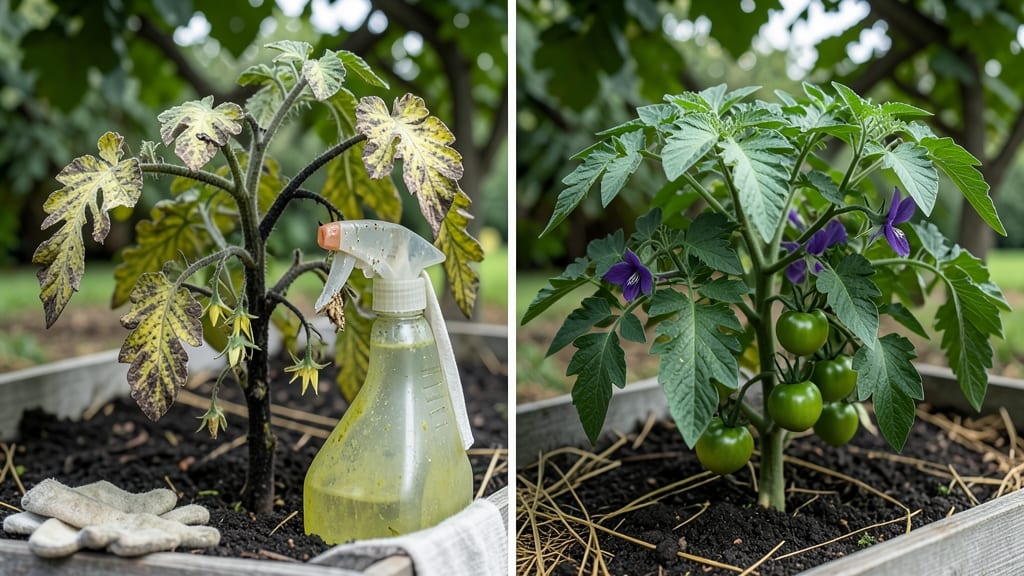
Tomato herbicide damage can turn your thriving tomato plants into crispy, yellowed shadows overnight—and I’ve seen it happen more than once. 🌱 The good news? Even if your plants look like they’ve been hit by a chemical time bomb, there are quick fixes that can coax them back to life. My first tomato garden got wiped out by drift from a neighbor’s spray job, but I learned how to nurse them back to productivity with a few targeted steps.
The damage usually starts with leaf curl, brown edges, or stunted growth—classic signs your plants absorbed more herbicide than they could handle. Sometimes it’s from direct spray, other times from drift during application.
The key is acting fast: flushing the soil with water, applying organic mulch to block further uptake, and giving the plants extra phosphorus to help them recover. I’ve saved plants that looked doomed just by switching to a drip irrigation system and avoiding overhead watering.
Within 2-3 weeks, you’ll start seeing new growth if the roots are still intact—just don’t expect fruit from those damaged plants this season.
The real win is learning how to prevent this disaster next time: create a 10-foot buffer zone between your garden and any herbicide use, use organic weed controls like vinegar or mulch, and always check the wind direction before spraying nearby.
My second garden thrived because I treated herbicides like they were land mines—respect the distance, and your tomatoes will thank you.
If the damage is severe, don’t panic—just focus on supportive care. Prune the worst-affected leaves, keep the soil moist but not soggy, and feed with a balanced fertilizer to help the plant redirect energy to new growth.
The plants might never fully recover their vigor, but with the right approach, they’ll bounce back enough to produce a decent harvest next season. And that’s a victory worth celebrating.
How Pesticides Harm Tomato Plants
Herbicide damage in tomatoes isn’t always obvious—sometimes it’s subtle, like stunted growth or yellowing leaves, while other times it’s devastating, like wilting or death. Understanding the root causes helps you spot issues early and take corrective action.
Here’s why herbicides can turn your thriving tomato plants into a sad, shriveled mess.
Herbicides are designed to kill unwanted plants, but they don’t always discriminate. When applied incorrectly—whether through over-spraying, wrong timing, or poor coverage control—they can drift onto your tomatoes or seep into the soil, poisoning the roots.
- Over-spraying: Using too much herbicide or applying it when winds are strong can cause off-target drift, where chemical droplets land on tomato leaves or stems. Some herbicides, like glyphosate, are systemic (they move through the plant), so even a small amount can disrupt photosynthesis and nutrient uptake.
- Wrong timing: Applying herbicides when tomatoes are in active growth phases (like flowering or fruiting) increases vulnerability. Young seedlings, in particular, have delicate cells that absorb chemicals more readily, leading to leaf scorching or necrosis.
- Poor coverage control: Spraying from above (instead of targeting weeds at the base) or using broadcast methods increases the risk of herbicide residue settling on tomato foliage. Even "selective" herbicides (like 2,4-D) can harm tomatoes if misapplied.
💡 Pro Tip: Always check the herbicide’s label for "no-spray buffer zones" (e.g., 10–30 feet from crops) and apply when tomatoes are not in direct contact with the spray. Use shielded sprayers or drop nozzles to minimize drift.
Herbicides don’t always wash away—they can linger in the soil for months or even years, depending on the type. If your garden soil was previously treated with herbicides (or if neighbors used them nearby), tomatoes can absorb residual chemicals through their roots, leading to:
- Root damage: Some herbicides, like atrazine or simazine, inhibit root growth, causing stunted plants, poor water uptake, and wilting.
- Nutrient deficiencies: Herbicide residues can disrupt microorganisms in the soil, reducing nitrogen fixation and phosphorus availability—critical nutrients for tomato health.
- Delayed emergence: If seeds are planted in contaminated soil, they may take longer to sprout or fail to germinate entirely due to chemical inhibition.
🔍 Test Your Soil: If you suspect residual herbicide damage, conduct a soil test for herbicide residues. Some labs (like A&L Great Lakes Lab) offer specialized testing. Alternatively, grow a test crop (like radishes) in a small plot—if they show symptoms, your soil may be contaminated.
Not all tomatoes react the same way to herbicides. Some varieties are more sensitive due to their genetics, leaf structure, or metabolic processes. For example:
- Heirloom vs. Hybrid Tomatoes: Heirloom varieties (like Brandywine or Cherokee Purple) often have thinner cuticles, making them more susceptible to foliar absorption of herbicides. Hybrids (like Celebrity or Better Boy) may tolerate some chemicals better but aren’t immune.
- Leaf Surface Traits: Tomatoes with hairy or waxy leaves (like Siberian or Black Krim) can trap herbicide droplets, increasing absorption. Smooth-leaved varieties may wash off chemicals faster but can still suffer systemic damage.
- Growth Stage Maturity: Cherry tomatoes (e.g., Sungold) are often more resilient than beefsteak varieties (e.g., Big Beef) because their smaller size reduces exposure. However, all tomatoes can be harmed if herbicides disrupt auxin production (a plant hormone critical for growth).
🌿 Choose Resistant Varieties: If herbicide use is unavoidable in your area, opt for tomato varieties bred for herbicide tolerance (though these are rare in home gardening). Alternatively, grow in containers or use mulch barriers to prevent soil contamination.
Herbicides don’t work alone—heat, drought, or poor soil health can amplify their harmful effects on tomatoes. Here’s how:
| Factor | How It Worsens Damage | What to Watch For |
|---|---|---|
| ⛈️ High Temperatures | Heat increases herbicide volatility, causing more drift and faster absorption through leaves. It also stresses plants, making them more susceptible to chemical burns. | Leaf bleaching or crisping, premature fruit drop |
| 💧 Drought Stress | Dry soil concentrates herbicide residues near roots, increasing toxicity. Tomatoes also translocate more water under stress, pulling up higher concentrations of chemicals. | Wilting despite wet soil, root browning |
| 🌱 Poor Soil Microbes | Herbicides like glyphosate kill beneficial bacteria and fungi, reducing nutrient cycling. Without microbes, tomatoes can’t access nitrogen or phosphorus, even if fertilizer is added. | Yellow lower leaves, slow growth, blossom end rot |
💡 Mitigation Tip: If herbicide damage is suspected during heatwaves or droughts, flush the soil with water (if safe) to dilute residues. Apply mycorrhizal fungi or compost tea to restore soil microbes and improve plant resilience.
Revive Your Tomatoes Now
If your tomato plants are showing signs of herbicide damage—whether from drift, overspray, or accidental application—don’t panic. With the right steps, you can help them recover and even prevent future issues.
Below, we’ll break down solutions based on the cause of the damage and the stage of your plants. The key is acting fast and giving your tomatoes the support they need.
If herbicide drift or accidental overspray is the culprit, your tomatoes may show symptoms like yellowing leaves, stunted growth, or wilting. Here’s how to help them bounce back:
🔥 Step 1: Remove Affected Leaves (If Severe)
If leaves are completely brown, crispy, or blackened, prune them immediately to prevent the herbicide from spreading further. Use clean, sharp pruners to avoid introducing disease.
🍳 Step 2: Flush the Soil (For Early-Stage Damage)
Water the affected plants deeply and frequently for 3–5 days to help dilute and wash away residual herbicide in the soil. Aim for 1–2 inches of water per day—this dilutes concentrations and reduces absorption.
👨🍳 Step 3: Apply Organic Mulch as a Barrier
Spread a thick layer (2–3 inches) of straw, wood chips, or grass clippings around the base of the plant. This acts as a physical barrier, blocking further herbicide absorption from the soil.
🥘 Step 4: Boost Nutrients with Compost Tea
Herbicides can deplete beneficial microbes in the soil. Mix 1 cup of compost in a gallon of water, let it steep for 24 hours, and pour it around the roots. Repeat weekly for 2–3 weeks to restore soil health.
⏰ Step 5: Monitor and Support New Growth
If new leaves emerge green and healthy, your tomatoes are recovering. If not, consider transplanting severely damaged plants to fresh, uncontaminated soil.
If the entire garden bed was exposed to herbicide (e.g., from a misapplied granular product), the soil may need a deeper cleanup:
💡 Tip: Test Your Soil First
Before taking drastic measures, conduct a simple soil test (available at garden centers) to confirm herbicide presence. If levels are low, your plants may still recover with proper care.
🔥 Step 1: Till in Organic Matter
Dig in 4–6 inches of compost or aged manure to bind residual herbicide and improve soil structure. This also introduces beneficial microbes that can break down chemicals over time.
🌱 Step 2: Plant Herbicide-Tolerant Cover Crops
Sow fast-growing cover crops like clover, buckwheat, or mustard greens to absorb remaining herbicide residues. After 4–6 weeks, till them back into the soil to further detoxify it.
🎯 Step 3: Avoid Replanting Tomatoes for a Season
Tomatoes (and other nightshades like peppers and eggplants) are highly sensitive to residual herbicides. Wait at least 6–12 months before replanting them in the same spot to ensure safety.
The best defense is a strong offense! Here’s how to protect your tomato plants from herbicide harm in the future:
✨ Tip 1: Buffer Zones Are Your Best Friend
Plant a 10–20 foot barrier of flowers, grasses, or other non-edible plants between your tomato garden and any areas where herbicides are applied (like lawns or driveways). This breaks up drift.
🌡️ Tip 2: Use Targeted Herbicide Application
If you must apply herbicides nearby, do so early in the morning or late evening when winds are calm. Avoid spraying on days with high temperatures or humidity, as these increase drift risk.
💡 Tip 3: Choose Organic Alternatives
For weeds in your garden, opt for vinegar-based sprays, corn gluten meal, or hand-pulling. Even mulching with cardboard or newspaper can suppress weeds without chemicals.
🔥 Tip 4: Label and Store Chemicals Safely
Always read and follow herbicide labels carefully. Store chemicals in locked, labeled containers away from edible plants, and never reuse containers for food or drinks.
With quick action and a little extra care, your tomato plants can often recover from herbicide damage. If all else fails, consider starting fresh with new plants—your future harvests will thank you!
Frequently asked questions
How do I know if my tomato plants have herbicide damage?
Look for yellowing leaves, brown edges, or stunted growth—classic signs of herbicide exposure. If leaves curl, crisp, or develop dark spots, it’s likely chemical damage. Check stems too: herbicides can cause browning or wilting at the base. Compare affected plants to healthy ones nearby for confirmation.
Can tomato plants recover from herbicide damage?
Yes, but it depends on severity. If only leaves are damaged, prune affected areas and flush soil with water for 3-5 days. For root damage, add compost tea and mulch heavily. Expect new growth in 2-3 weeks if roots are intact. Severe cases may need transplanting to uncontaminated soil.
What’s the safest way to remove herbicide residue from soil?
Start by tilling in 4-6 inches of compost to bind chemicals. Plant cover crops like clover or buckwheat to absorb residues, then till them back after 4-6 weeks. For quick fixes, use activated charcoal in soil—it helps neutralize toxins. Avoid replanting tomatoes for 6-12 months.
How can I prevent herbicide drift from harming my tomatoes?
Create a 10-20 foot buffer zone with non-edible plants between your garden and herbicide-treated areas. Always apply herbicides early morning or late evening when winds are calm. Use shielded sprayers and avoid spraying during high heat or humidity, which increases drift risk.
Are some tomato varieties more resistant to herbicides?
No variety is completely resistant, but hybrids like Celebrity or Better Boy often tolerate damage better than heirlooms. For extra protection, grow in containers or use raised beds with fresh, uncontaminated soil. Always check labels—some heirlooms (like Brandywine) are particularly sensitive due to thinner cuticles.