
Vegetables
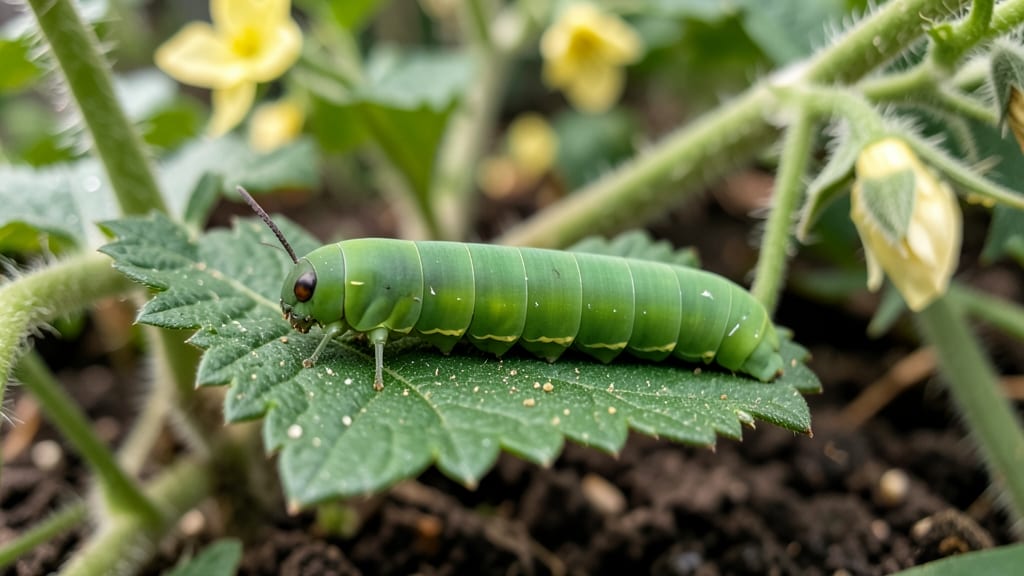
Those ravenous tomato green hornworms can strip a plant bare in hours—unless you know how to stop them naturally. 🌱 I’ve lost entire tomato plants to these striped bandits before, but now I’ve got a foolproof system that works without sprays.
The key is catching them early, using their natural predators, and giving your plants a fighting chance.
Here’s the thing—these caterpillars are actually harmless to humans, but they’re the bane of a gardener’s existence. They hide in leaves, blend in perfectly, and can devour a tomato plant overnight. The good news?
You don’t need chemicals to win this battle. Handpicking works, but it’s tedious. Better yet, let nature do the work with parasitic wasps and ladybugs, which will happily hunt them down for you.
By the end of this, you’ll have a garden where tomato plants thrive instead of getting skeletonized. You’ll spot the early signs, know exactly what to do, and even prevent future infestations with simple tricks like companion planting. No more helplessly watching your hard work disappear—just healthy, productive tomatoes.
Whether you’re a first-time gardener or a seasoned pro, these methods are easy to implement and work in any garden setup. Let’s get those hornworms under control without harming your plants—or the planet.
The Hidden Attraction Factors
If your tomato plants are suddenly hosting a Manduca sexta (tomato green hornworm) buffet, the issue likely stems from a combination of environmental cues, plant health, and natural behaviors.
These voracious caterpillars don’t just appear out of nowhere—they’re drawn by specific conditions that make your garden look like an all-you-can-eat salad bar. Let’s break down the science behind their uninvited visits.
The tomato green hornworm has a keen sense of smell and can detect volatile organic compounds (VOCs) emitted by stressed or overripe tomatoes from up to 15 feet away. Here’s why your plants might be sending out distress signals:
- Ethylene gas: Tomatoes release this hormone when they’re ripening or under stress (e.g., drought, disease, or physical damage). Hornworms love the scent—it’s like a dinner bell. 🔔
- Nitrogen-rich foliage: Healthy, fast-growing tomato plants with lush green leaves are packed with nitrogen, a favorite food source. If your plants are too vigorous (often from over-fertilizing), they become a buffet.
- Damaged or bruised fruit: Even a single nick on a tomato can trigger a chemical response that attracts hornworms. They’re opportunistic feeders and will zero in on “easy” meals.
Actionable fix: Harvest tomatoes as soon as they ripen, avoid overwatering or over-fertilizing, and inspect plants regularly for early signs of stress or damage. 🕵️♂️
Green hornworms thrive in environments that mimic their natural habitat—warm, humid, and sheltered. Your garden might be unintentionally providing the ideal conditions:
- Dense foliage: Tall, bushy tomato plants with thick leaves create a microclimate that retains moisture and warmth. Hornworm eggs and larvae love this because it protects them from predators (like birds and parasitic wasps) and the elements.
- Southern or western exposures: These areas get the most sun during the day, which keeps the plant warm—perfect for hornworm development. A single plant in full sun can become a breeding ground.
- Low predator activity: If your garden lacks natural enemies (like Cotesia congregata wasps, which parasitize hornworms), the caterpillars face little resistance. Even a few missing birds or beneficial insects can tip the balance.
Actionable fix:
- Prune tomato plants to improve airflow and reduce hiding spots. 🌿
- Plant companion flowers (like dill or marigolds) to attract parasitic wasps.
- Avoid overwatering the soil—keep it moist but not soggy to deter egg-laying.
These caterpillars have a precise life cycle tied to tomato growth stages. If you’re seeing an infestation, it’s likely because:
| Life Stage | Why It Matters | Peak Risk Period |
|---|---|---|
| Egg-laying (adult moths) | Female moths lay eggs on the underside of leaves during warm evenings (60–80°F). They prefer plants already stressed or flowering. | Late spring to early summer (May–July in most regions) |
| Larval phase (caterpillars) | Hornworms grow rapidly (up to 4 inches in 2 weeks) and can defoliate a plant in days if unchecked. | June–August (aligns with tomato flowering/fruiting) |
| Pupation (burrowing into soil) | Mature larvae drop to the ground to pupate, often near the base of plants. This can contaminate soil for next year’s cycle. | Late summer (August–September) |
Actionable fix:
- Monitor plants daily during peak egg-laying season (use a magnifying glass to check leaf undersides). 🔍
- Set up yellow sticky traps near tomato plants to catch adult moths before they lay eggs.
- Rotate crops annually to disrupt their life cycle.
Tomato green hornworms aren’t exclusive to tomatoes—they’ll feast on a variety of plants in the nightshade family (Solanaceae). If you’re growing these nearby, you’re rolling out the welcome mat:
- Eggplants, peppers, and potatoes: These are all part of the same family and emit similar chemical signals that attract hornworms.
- Weeds like horse nettle or bittersweet nightshade: These act as alternative hosts and can prolong the hornworm season in your garden.
- Companion plants gone wrong: While some plants (like basil) are supposed to repel pests, others (like fennel) can attract hornworms if overused.
Actionable fix:
- Remove nightshade weeds from your garden beds and borders. 🌱🚫
- Space out susceptible plants (e.g., don’t plant tomatoes and peppers in the same row).
- Use row covers early in the season to block adult moths from accessing plants.
Quick Fixes for Garden Pests
If your tomato plants are under siege by voracious green hornworms, don’t panic—there are effective, chemical-free solutions to protect your harvest. Below, we’ve mapped out practical fixes based on the root cause, from manual removal to long-term prevention. These methods work fast and keep your garden thriving without harsh sprays.
Cause: Worms hide well but are easy to miss until damage appears. Fix:
- Morning inspections (🌞) are key—hornworms are most active at dawn. Check the undersides of leaves and stems for striped caterpillars (up to 4 inches long!).
- Handpick worms and drop them into a bucket of soapy water (🧼). Pro tip: Use a flashlight at dusk—they’re slower and easier to spot!
- Look for frass (black droppings) or skeletonized leaves (🍃) as clues. If you see them, act fast—they multiply quickly.
Cause: Eggs laid on leaves hatch into destructive larvae. Fix:
- Pheromone traps (🪲) disrupt mating. Hang traps near tomato plants to reduce egg-laying.
- Row covers (🛡️) made of lightweight fabric block adult moths from reaching plants. Secure edges tightly to prevent entry.
- Copper tape (⚡) around pots or raised beds can deter moths from landing.
Cause: Overpopulation leads to total leaf destruction. Fix:
- Introduce parasitic wasps (🐝). These tiny allies lay eggs inside hornworms, killing them naturally. Order them online or find them in garden centers.
- Encourage birds (🐦) by adding a shallow birdbath or native plants. Many species love snacking on hornworms!
- Release predatory beetles (🪲), like ladybugs or lacewings, which also feast on young larvae.
Cause: Plants stressed by other pests attract hornworms. Fix:
- Neem oil spray (🌿) disrupts their life cycle. Mix 1 tbsp neem oil + 1 tsp mild soap in 1 quart of water, then spray every 5–7 days (especially after rain).
- Bacillus thuringiensis (Bt) (🦠) is a bacteria-based spray that targets caterpillars’ digestive systems. Safe for humans and pets!
- Garlic or chili pepper spray (🌶️) acts as a repellent. Blend 2 garlic cloves + 1 tbsp cayenne pepper in water, strain, and spray foliage.
Cause: Poor garden hygiene invites pests year after year. Fix:
- Rotate crops (🌱) annually to break the hornworm’s life cycle.
- Remove plant debris (🧹) in fall—eggs overwinter in dead leaves!
- Plant companion crops like basil, marigolds, or dill (🌼) to mask tomato scents and repel moths.
- Interplant tomatoes with onions or garlic (🧅)—their strong aroma deters hornworms.
If you spot multiple worms or heavy defoliation, prioritize:
- Handpick immediately (evening is best).
- Apply Bt spray the same day for larvae already present.
- Set up row covers if moths are still flying.
Remember: Consistency is key! Combine manual removal with preventive measures for the best results. With these strategies, your tomatoes will stay lush—and the hornworms won’t stand a chance. 🍅💪
Frequently asked questions
How do I tell if my tomato plants have green hornworms?
Look for striped caterpillars (up to 4 inches long) hiding on leaf undersides or stems. Check for skeletonized leaves (chewed but still intact) or black droppings (frass) on foliage. Young worms are smaller but equally destructive—inspect plants daily during peak season (June-August).
Are green hornworms harmful to humans or pets?
No, they’re completely harmless! These caterpillars only eat plants and won’t bite humans or pets. The only risk comes from their rapid defoliation of tomato plants, which can stress or kill them if left unchecked.
What’s the fastest way to get rid of them without chemicals?
Handpick them at dawn or dusk when they’re sluggish, then drop them in soapy water. For immediate control, apply Bacillus thuringiensis (Bt) spray (safe for pets) or introduce parasitic wasps—they’ll handle the rest naturally.
Can I use neem oil or garlic spray to prevent hornworms?
Yes! Mix 1 tbsp neem oil + 1 tsp mild soap in 1 quart water and spray every 5-7 days (especially after rain). For garlic spray, blend 2 cloves + 1 tbsp cayenne in water, strain, and spray foliage—it repels moths but won’t kill existing larvae.
Will birds eat green hornworms?
Birds love them—add a shallow birdbath or plant native shrubs to attract feathered helpers. Just be patient; it may take a few days for them to find your garden. Combine this with other methods for faster results.