
Planting
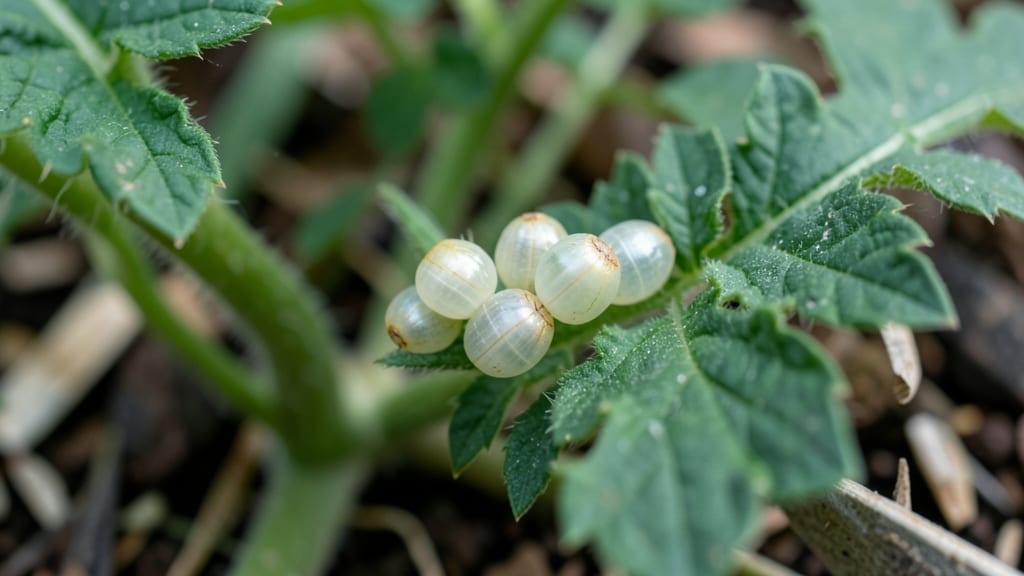
Hornworm eggs on tomato plants mean a battle for your harvest—before you know it, those striped caterpillars will strip leaves overnight. 🌱 I’ve lost entire tomato plants to them, but early action changes everything.
The key is spotting those tiny green eggs (about the size of a pinhead) on the undersides of leaves before they hatch.
Most gardeners panic when they see hornworms, but the real work happens earlier—when those eggs appear. A single female can lay 200+ eggs, so removing them now saves you from a full-blown infestation.
I’ve used a damp paper towel to gently wipe them off leaves, then dropped them into soapy water (no chemicals needed).
By the time you see the caterpillars, the damage is already done—but not the season. Prevent future eggs with row covers or companion plants like basil or marigolds, which deter the moths. A few minutes of inspection now means healthier plants and bigger tomatoes later.
Even if you’ve never dealt with hornworms, this method works—no experience required. The worst part isn’t the worms; it’s the surprise of finding them too late. Let’s turn that around before your tomatoes pay the price.
The Hidden Triggers Behind Hornworm Infestations
Hornworms—those striped, voracious caterpillars—don’t just appear out of nowhere on your tomato plants. Their presence is the result of a mix of environmental, ecological, and even human-influenced factors.
Understanding why these pests target your garden is the first step to preventing them. Let’s break down the key reasons behind hornworm egg outbreaks on your tomato plants.
Tomato plants are like a five-star restaurant to hornworms. Why? Because they’re nutrient-rich and easy to digest. Hornworms (specifically the Manduca sexta and Manduca sexta species) have a chemical preference for plants in the nightshade family (Solanaceae), which includes tomatoes, peppers, eggplants, and potatoes.
Their leaves are packed with proteins and sugars that caterpillars crave.
💡 Pro Tip: If your tomato plants are thriving—lush, green, and healthy—they’re more likely to attract hornworm moths looking to lay eggs. Over-fertilizing with nitrogen can make them even more appealing. Balance is key!
Hornworms don’t start as caterpillars—they begin as tiny eggs laid by adult hornworm moths. These moths are nocturnal, meaning they’re most active at dusk and night. They use their keen sense of smell to detect tomato plants from up to a mile away!
Once they locate a suitable host, they lay clusters of pearl-white eggs on the undersides of leaves, where they’re hidden from predators and gardeners alike.
🔍 Key Insight: If your garden is near wooded areas, wild nightshade plants, or other farms, you’re more likely to see hornworm moths visiting. They don’t discriminate—they’ll lay eggs on both wild and cultivated plants.
Hornworms are warm-weather pests. They thrive in temperatures between 70°F and 90°F (21°C–32°C) and high humidity. When conditions are ideal, their life cycle accelerates:
- Eggs hatch in 3–5 days (vs. weeks in cooler weather).
- Caterpillars grow rapidly, molting 5–6 times before pupating.
- They can go from egg to adult moth in just 30–40 days.
🌡️ Climate Connection: If you’re in a Southern U.S. state, a greenhouse, or a region with long summers, you may see multiple generations of hornworms per year. Even a single warm spell can trigger an outbreak.
In a balanced ecosystem, hornworms don’t usually become a major problem because they have many natural enemies, including:
- Parasitic wasps (like Cotesia congregata) that lay eggs inside hornworms, killing them.
- Birds (such as robins and sparrows) that snack on young caterpillars.
- Lizards, toads, and ladybugs that prey on eggs and small larvae.
- Braconid wasps that turn hornworms into "zombie" hosts.
🚫 Problem: If you’ve been using chemical pesticides (even broad-spectrum ones), you may have wiped out these predators, leaving hornworms with no competition. Similarly, monoculture gardening (planting only tomatoes) removes diversity, making it easier for moths to find and infest your crops.
Sometimes, our own gardening practices make our plants more vulnerable:
- Overwatering keeps soil and leaves damp, creating a hornworm-friendly microclimate.
- Late planting (after moths are already active) means your tomatoes are ripe targets from day one.
- Ignoring early signs (like chewed leaves or frass—caterpillar poop)—by the time you notice hornworms, they’re already full-grown and hungry.
- Using plastic mulch (which can overheat soil) may accelerate their development.
🌱 Solution: Adjusting these habits—like watering at the base, planting early, and inspecting leaves regularly—can dramatically reduce hornworm pressure.
Quick Fixes for Tomato Plant Pests
Spotting hornworm eggs on your tomato plants can feel like a gardening nightmare, but don’t panic—there are simple, organic ways to tackle the problem before it spirals out of control. The key is acting fast and using methods that won’t harm your plants (or your wallet).
Below, we’ve mapped out the best solutions based on the root cause of the infestation, from physical removal to natural deterrents. Plus, we’ll share prevention tips to keep your tomato patch thriving.
If you catch the eggs early, you can stop the problem at the source. Hornworm eggs are tiny, pale green, and laid in clusters on the undersides of leaves. Here’s how to eliminate them:
- 👨🍳 Handpick with a damp cloth
- Gently wipe the undersides of leaves with a soft, damp cloth or sponge. The eggs will stick to it—dispose of them in soapy water to kill any lingering larvae.
- Pro tip: Do this in the early morning when eggs are most vulnerable to moisture.
- 🔪 Prune infested foliage
- Cut off heavily egg-laden leaves and drop them into a sealed bag. Check the bag daily to ensure no eggs hatch before composting.
Let nature do the work! Hornworms have many natural enemies that can help control the population without chemicals. Invite these allies to your garden:
- 🐞 Parasitic wasps (Braconid wasps)
- These tiny wasps lay their eggs inside hornworm larvae, eventually killing them. They’re harmless to humans and plants.
- How to attract them: Plant dill, fennel, or parsley nearby—they love these herbs.
- 🦋 Ladybugs and lacewings
- Both devour hornworm eggs and young larvae. Purchase them online or from garden centers, or encourage them by adding a shallow water source with pebbles.
- 🐸 Frogs and toads
- These amphibians snack on hornworms and eggs. Create a toad house (a small, damp hideout) near your tomato plants to attract them.
If eggs hatch into larvae, act quickly with these non-toxic sprays to disrupt their life cycle:
- 🌿 Neem oil spray
- Mix 1 teaspoon neem oil + 1 teaspoon mild soap + 1 quart water. Spray directly on eggs and larvae in the evening (avoid direct sun).
- Reapply every 5–7 days until the infestation clears.
- 🍋 Spicy pepper spray
- Blend 1 tablespoon cayenne pepper + 1 quart water, strain, and spray on affected areas. The capsaicin irritates hornworms, deterring them from feeding.
- 🥛 Bacillus thuringiensis (Bt)
- A natural bacteria that targets caterpillars (including hornworms) but is safe for humans and pets. Follow package instructions for mixing and application.
Sometimes, the best defense is blocking hornworms before they start munching. Try these tactics:
- 🧢 Row covers
- Use lightweight fabric row covers over young tomato plants to prevent moths from laying eggs. Secure edges with soil or weights.
- 🕯️ Yellow sticky traps
- Hornworm moths are attracted to yellow. Hang these traps near your plants to catch adults before they reproduce.
- 🍅 Collar young plants
- Wrap the base of seedlings with cardboard collars to deter egg-laying moths from reaching the stems.
The best way to avoid hornworm eggs is to strengthen your tomato plants and make your garden less appealing to moths. Here’s how:
- 💡 Plant companion crops
- Interplant basil, marigolds, or onions near tomatoes—their scents repel hornworm moths.
- 🌱 Rotate crops
- Avoid planting tomatoes in the same spot yearly. Moths rely on familiar territory to find hosts.
- 🌿 Keep your garden healthy
- Healthy plants are less attractive to pests. Ensure your tomatoes get:
- Full sun (6–8 hours daily)
- Well-draining soil rich in compost
- Regular watering (keep soil moist but not soggy)
- Healthy plants are less attractive to pests. Ensure your tomatoes get:
- 🎯 Early scouting
- Check your plants 2–3 times weekly, especially the undersides of leaves. Early detection = easier removal!
With these methods, you can eliminate hornworm eggs and keep your tomato plants lush and productive. Remember, consistency is key—combine a few of these strategies for the best results. Happy gardening! 🌱🍅
Frequently asked questions
How do I tell if those tiny green specks are actually hornworm eggs?
Hornworm eggs are about the size of a pinhead (1-2mm) and appear as small, pale green ovals clustered on the undersides of leaves. Use a magnifying glass to check for their translucent, jelly-like texture. They’re often laid near leaf veins or midribs, where they’re harder for predators to find.
Can I use soap spray on hornworm eggs, or will it harm my tomato plants?
Yes, but use mild liquid castile soap (like Dr. Bronner’s) mixed with water (1 teaspoon per quart). Spray directly on eggs—it disrupts their protective coating. Avoid harsh detergents, which can damage plant leaves. Always test a small area first, especially on young or sensitive tomato varieties.
How often should I check my tomato plants for hornworm eggs?
Inspect your plants every 3-4 days during warm weather (when moths are most active). Focus on new growth and undersides of leaves—eggs appear first on younger foliage. Morning inspections work best since dew makes eggs more visible. If you see moths flying at dusk, increase checks to daily.
Will hornworm eggs survive if I remove the leaf they're on?
Yes, but only if you don’t destroy them immediately. Drop infested leaves into a sealed bag with soapy water (the soap kills eggs within 24 hours). If you compost them, check daily—eggs may hatch into caterpillars that could reinfest your plants. For severe cases, burn the leaves instead.
Can I use coffee grounds to prevent hornworm moths from laying eggs?
Coffee grounds won’t stop egg-laying directly, but they create an environment moths dislike. Sprinkle used grounds around your tomato plants—the strong smell repels some pests. For better results, combine with basil or marigolds (their scents confuse moths) and yellow sticky traps to catch adults before they reproduce.