
Companion Plants
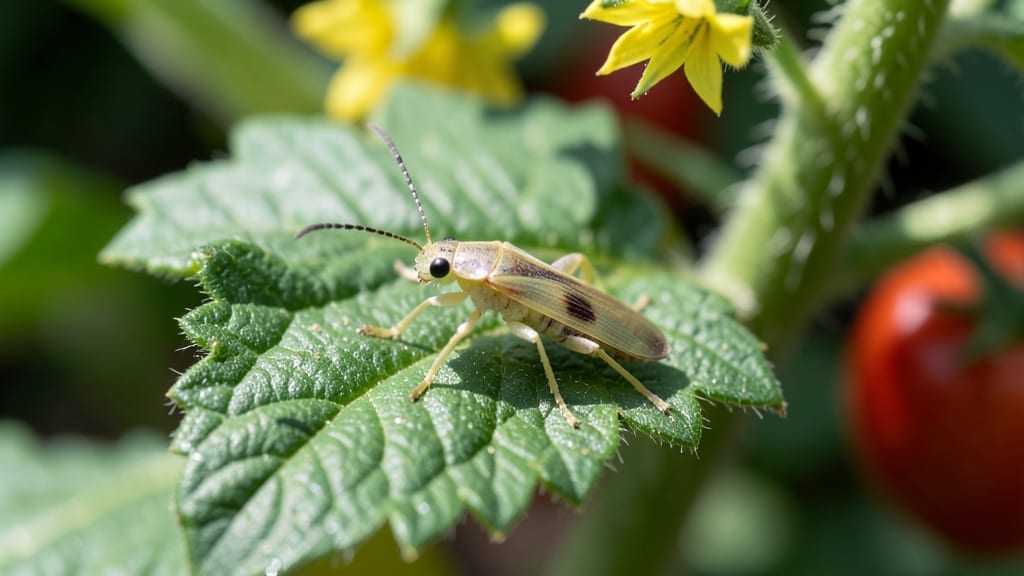
How to protect tomato plants from insects without chemical warfare? Just the right neighbors will do the trick. 🌱 Last summer, my heirloom tomatoes faced a hornworm invasion until I planted basil nearby, and the damage vanished overnight. Companion planting isn’t just folklore; it’s a foolproof first line of defense against aphids, whiteflies, and other tomato thieves.
The secret lies in smart pairings: marigolds repel nematodes, nasturtiums distract aphids, and strong herbs like oregano and thyme mask the scent of your tomatoes. You’ll also need row covers for early-season pests and a spray bottle for quick neem oil applications when needed.
No fancy gear—just plants that work together naturally.
Within weeks, you’ll see fewer chewed leaves and more robust growth. The plants thrive because they’re supported by their companions, not stressed by synthetic chemicals. Plus, your garden becomes a mini ecosystem where beneficial insects outnumber the pests.
Works for backyard plots, container gardens, or even balcony setups. Here’s how to set up your tomato shield—no pesticides required.
📚 In This Guide
- What you need
- Instructions
- Tips and common mistakes
- Wrapping up and next steps
What you need
- ● Companion plants: Basil (1-2 plants per 4 tomato plants)
- ● Marigolds (3-5 plants per 10 sq ft of garden)
- ● Nasturtiums (5-10 plants per 10 sq ft)
- ● Garlic or chives (1-2 plants per 2 tomato plants)
- ● Borage (1-2 plants per 4 tomato plants)
- ○ Organic insecticides (optional but helpful): Neem oil (1 tsp per 1 quart of water)
- ● Insecticidal soap (ready-to-use spray)
- ● Diatomaceous earth (food-grade, 1-2 tbsp per sq ft)
- ● Garden tools: Hand trowel (for planting companions)
- ● Pruning shears (to trim overgrowth)
- ● Garden gloves (for handling plants and soil)
- ● Row covers (lightweight fabric for early planting)
- ● Yellow sticky traps (to catch flying insects)
- ● Compost or mulch (to improve soil health)
- ● Spray bottle (for DIY neem oil or water sprays)
Step-by-Step guide to shielding tomato plants with companion planting
Here’s how to create a natural fortress around your tomatoes—no chemicals needed.
🌱 Step 1: Map Your Garden Layout for Strategic Placement
Start by sketching your garden bed on paper or mentally visualize the space. Tomatoes need 6-8 hours of sun daily, so place them in the sunniest spot. Then, arrange companion plants in a protective perimeter around the tomato plants. Basil, for example, should go within 12-18 inches of tomatoes to repel flies and mosquitoes, while marigolds thrive 18-24 inches away to deter nematodes and beetles.
I like to plant taller companions like borage or sunflowers on the north side of tomatoes to provide shade for roots while keeping pests away. Avoid planting fennel or dill nearby—these attract tomato hornworms, which will devour your plants overnight. Space companions 12-18 inches apart to allow airflow and prevent fungal issues.
🌿 Step 2: Plant Pest-Repelling Companions at the Right Time
Timing matters. Sow companion seeds 2-3 weeks before transplanting tomato seedlings into the garden. Fast-growing herbs like basil and chives can go in first, followed by slower germinators like marigolds or nasturtiums. I plant marigolds from seed 4-6 weeks before the last frost—they establish quickly and deter pests early in the season.
Transplant tomato seedlings after the soil reaches 60°F and companions are at least 3-4 inches tall. This ensures they’re strong enough to fend off pests immediately. If using transplants for companions, plant them the same day as tomatoes. Watch for first true leaves on companions—this signals they’re ready to start protecting your tomatoes.
✂️ Step 3: Maintain the Shield Through the Growing Season
Regular pruning keeps companions healthy and effective. Pinch back leggy basil stems to encourage bushier growth, which boosts its pest-repelling oils. Deadhead marigolds weekly to promote more blooms—they release pest-deterring compounds through their roots and flowers. I also mulch around companions with 2-3 inches of straw or grass clippings to retain moisture and suppress weeds that attract pests.
Monitor for signs of stress in companions—yellowing leaves or stunted growth can mean pests are winning. If aphids appear on marigolds, blast them off with a strong stream of water before they spread to tomatoes. Rotate companion plants yearly to prevent soil-borne pests from building up in the same spot.
💧 Step 4: Water and Fertilize the System Strategically
Water companions deeply 1-2 times weekly, focusing on the base to avoid wetting foliage (which attracts pests). I use a drip irrigation system set to deliver 1 inch of water per week to keep roots hydrated without overcrowding. Fertilize lightly—companions like marigolds and basil thrive on lean soil, while tomatoes benefit from a balanced 10-10-10 fertilizer applied every 4-6 weeks.
Over-fertilizing companions can make them more susceptible to pests. Instead, side-dress with compost every 6-8 weeks to feed the soil naturally. If companions wilt despite regular watering, check for root rot—a sign of overwatering. Adjust your schedule to water only when the top 2 inches of soil feel dry.
☀️ Step 5: Rotate and Refresh the Shield Annually
At season’s end, remove all plant debris and compost it away from the garden to prevent overwintering pests. I mark my garden beds with stakes to remember where companions grew last year—this helps plan rotations. For example, if marigolds deterred nematodes well one year, I’ll replant them in the same spot the following year but pair them with different companions like garlic or onions to broaden pest control.
Start fresh each spring by testing soil pH—companions like thyme prefer slightly acidic soil (pH 6.0-7.0), while tomatoes thrive at 6.2-6.8. Amend the soil as needed before replanting. This annual refresh keeps your tomato shield effective and your plants thriving year after year.
Tips & tricks for effective tomato pest protection
These garden-tested strategies will help you maximize your companion planting shield against tomato pests.
Companion Selection: Don't just rely on the basics—expand your pest defense team. While basil and marigolds are staples, consider adding nasturtiums (which repel aphids and squash bugs) or garlic (which deters spider mites). I've found that planting a mix of companions creates a more effective barrier against different pests. The key is diversity—just like a good ecosystem, more variety means better protection.
Plant Health Monitoring: In Step 3, when you're checking for yellowing leaves or stunted growth, pay special attention to the undersides of leaves where pests often hide. Early detection is everything—if you spot aphids on your marigolds, act immediately by blasting them off with water. I've seen entire tomato plants saved by catching pest issues early on companions before they spread.
Soil Preparation: Before planting, test your soil pH—companions like thyme prefer slightly acidic soil (pH 6.0-7.0) while tomatoes thrive at 6.2-6.8. If your soil is too alkaline, amend it with compost or sulfur before planting. I always do a soil test in early spring to ensure both tomatoes and companions will thrive together. Well-prepared soil means healthier plants that can better resist pests.
Seasonal Rotation Strategy: The annual rotation mentioned in Step 5 is crucial for long-term success. I mark my garden beds with colored stakes to remember which companions worked best in each location. For example, if marigolds deterred nematodes well one year, I'll replant them in the same spot but pair them with different companions like garlic or onions the next year to broaden pest control.
Pro Tips for Protect Tomato Plants From Insects
- These garden-tested strategies will help you maximize your companion planting shield against tomato pests.
- Companion Selection: Don't just rely on the basics—expand your pest defense team.
- Plant Health Monitoring: In Step 3, when you're checking for yellowing leaves or stunted growth, pay special attention to the undersides of leaves where pests often hide.
Frequently asked questions
Got questions about keeping your tomato plants pest-free? You’re not alone! Here are some of the most common concerns—and quick, actionable answers to help you grow healthy, thriving tomatoes.
What are the most common tomato plant pests I should watch for?
Tomatoes face a few notorious pests, including hornworms (those green caterpillars that devour leaves overnight), aphids (tiny sap-suckers that cluster on stems), whiteflies (tiny white bugs that flutter when disturbed), and tomato fruitworms (larvae that burrow into fruit). Keep an eye out for chewed leaves, sticky residue (honeydew), or holes in fruit—these are red flags!
When is the best time to start using companion plants for pest control?
Plant companion plants like basil, marigolds, or nasturtiums at the same time you transplant your tomatoes (or as soon as seedlings are in the ground). These companions release pest-repelling scents and attract beneficial insects (like ladybugs) continuously throughout the growing season. If you’re adding them later, do so as soon as you spot early signs of pests—prevention is key!
Can I use companion plants alone, or do I need other methods too?
Companion plants are a powerful first line of defense, but for heavy infestations, combine them with other tactics. Try neem oil sprays, row covers, or handpicking pests (like hornworms) in the morning when they’re sluggish. Think of companions as your team captain—they lead the charge, but you’ll need backup players for big games!
Are there any companion plants I should avoid near tomatoes?
Yes! While most companions are tomato-friendly, brassicas (like cabbage or broccoli) can attract pests that also target tomatoes, and fennel may stunt tomato growth due to chemical interactions. Stick to proven allies like basil, garlic, onions, or borage—they’re like the all-stars of the tomato garden!
What should I do if pests return even after using companion plants?
Don’t panic! Rotate your pest-control methods—try crop rotation (move tomatoes to a new spot next year), introduce more beneficial insects (like lacewings or parasitic wasps), or boost plant health with balanced fertilizer. Healthy plants resist pests better, so focus on strong roots, good airflow, and consistent watering. Persistence pays off!
Still stumped? Drop your specific pest problem in the comments—we’re happy to help you troubleshoot!
Wrapping up and next steps
Protecting your tomato plants from pests doesn’t have to be a battle—it’s all about working with nature! 🌱 By strategically pairing tomatoes with companion plants like basil, marigolds, or nasturtiums, you create a thriving ecosystem that deters insects naturally.
Remember, consistency is key: monitor your garden regularly, rotate plants as needed, and embrace organic solutions for long-term success.
Now that you’re armed with these eco-friendly tricks, why not take the next step? Experiment with a few companion plant combos in your garden this season and watch your tomato harvest flourish—without the hassle of chemicals! 🌟