
Vegetables
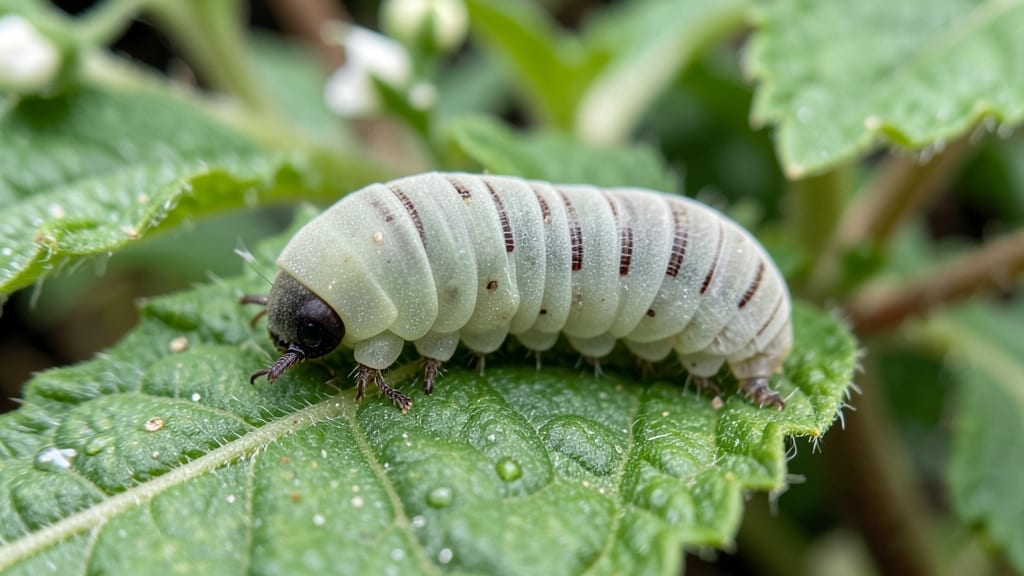
Those tiny holes in your tomatoes aren’t just cosmetic—they’re tomato fruitworm larvae feasting inside. 🌱 I’ve lost entire harvests to these sneaky pests, but organic methods like Bacillus thuringiensis and row covers can save your crop without chemicals.
The key is acting fast when you spot the first signs: chewed fruit, brown frass, or wilting vines.
These worms start as eggs laid on leaves, then burrow into tomatoes within days. Handpicking adults at dusk and removing infested fruit breaks their cycle—though it’s messy work. Companion plants like basil and marigolds deter them naturally, while row covers create a physical barrier that works all season long.
By combining these methods, you’ll protect your tomatoes from stem to harvest. The payoff? Plump, blemish-free fruit that tastes like summer should. Here’s how to stop the damage before it starts—without sacrificing organic principles.
This approach works for backyard gardens, container growers, and even small-scale farms. No more ruined tomatoes—just healthy plants and a thriving harvest. Let’s get your garden back on track.
The Hidden Triggers Behind Infestations
Understanding why tomato fruitworm larvae invade your garden is the first step in stopping them. These tiny but destructive pests don’t just appear out of nowhere—they’re drawn by specific conditions and cues. Let’s break down the key factors that turn your tomato plants into a buffet for these hungry caterpillars.
Tomato fruitworm larvae (Helicoverpa zea and Spodoptera frugiperda) are highly selective—they love tomatoes, peppers, eggplants, and other nightshade family crops. But why?
- Chemical Lure: Tomatoes emit volatile organic compounds (VOCs) like β-caryophyllene and linalool, which act as chemical signals to moths.
These scents help them locate host plants from miles away—even before your tomatoes ripen! - Leaf Texture & Scent: Young, tender leaves release compounds that signal "high-protein food" to adult moths, prompting them to lay eggs.
Mature plants with thick, waxy leaves are less appealing. - Fruit Ripeness: Green tomatoes emit different VOCs than ripe ones, but both stages attract larvae. Once eggs hatch, the larvae burrow into green fruit, where they feed undetected until the fruit turns red.
💡 Pro Tip: If you’re growing tomatoes near corn or cotton (their other favorite hosts), the moths will find your garden faster. Space these crops apart or use row covers to disrupt their flight paths.
These pests aren’t random—they follow a seasonal and circadian rhythm that maximizes their survival.
- Warm Nights Trigger Activity: Adult moths are most active during warm evenings (75–85°F) and humid conditions.
They avoid flying when temperatures drop below 60°F or during heavy rain. - Peak Laying Period: Eggs are laid just after sunset, when the air is still and conditions are ideal for larval development.
A single female can lay 500–2,000 eggs in her lifetime! - Overlapping Generations: In warm climates, multiple generations can emerge in a single season. Early-season infestations often lead to exponential growth by midsummer.
⏰ Actionable Insight: Monitor your garden dusk to dawn during warm, humid nights. Use a UV light trap (placed 5–10 feet off the ground) to catch adult moths before they lay eggs.
Larvae thrive when your tomatoes are stressed or overripe, creating the perfect environment for them to multiply.
| Factor | Why It Attracts Larvae | How to Adjust |
|---|---|---|
| High Humidity | Moisture keeps eggs from drying out and speeds up larval growth. | Improve airflow with pruning and spacing; avoid overhead watering. |
| Overripe Fruit | Soft, rotting tomatoes provide easy entry and a nutrient-rich meal. | Harvest promptly; remove damaged fruit daily. |
| Nitrogen-Rich Soil | Lush, fast-growing foliage is more appealing to moths for egg-laying. | Balance soil with compost + phosphorus; avoid heavy nitrogen fertilizers. |
| Weak Plants | Stressed plants (from drought, pests, or disease) produce more stress signals, drawing moths. | Water deeply 1–2x/week; use mulch to retain moisture. |
🔥 Warning: If your tomatoes are wilting, yellowing, or dropping leaves, they’re sending out distress signals that moths detect. A healthy plant is your best defense!
Moths don’t lay eggs randomly—they target specific plant parts where larvae have the highest survival rate.
- Undersides of Leaves: Most eggs (tiny, spherical, yellowish-white) are laid on the lower leaf surfaces, where they’re shielded from predators and weather.
- Stems & Fruit Stems: Eggs near the calyx (stem end of the tomato) ensure larvae can burrow in immediately upon hatching.
- Floral Debris: Old blossoms and fallen flowers provide microclimates that retain moisture, extending egg viability.
👨🍳 Hands-On Check: Inspect leaves every 2–3 days during peak season (late spring to early fall). Look for tiny white eggs clustered in groups—remove them with a damp cloth or soapy water.
🎯 Key Takeaway: Fruitworm larvae don’t just appear—they’re the result of chemical cues, perfect weather, stressed plants, and strategic egg-laying. By disrupting these triggers (through scent masking, timing, and plant health), you can outsmart them before they strike.
Beat Back Wormy Tomato Invaders
Discovering tiny, squiggly larvae feasting on your tomato plants can feel like a nightmare—especially when you’re aiming for a bountiful, organic harvest. 😬 But don’t worry! With the right strategies, you can outsmart these pests and protect your tomatoes naturally.
Below, we’ve mapped out practical, organic solutions tailored to the root causes of infestations, from early prevention to last-resort fixes. Let’s roll up our sleeves and get those worms under control!
The best defense is a proactive offense. If your tomatoes are already under siege, these steps will help you break the cycle and keep future generations of fruitworms at bay.
🔍 Monitor & Act Fast
- Scout regularly: Check the undersides of leaves, stems, and fruit for tiny eggs (white, oval-shaped) or greenish-brown larvae. Early detection = fewer damages!
- Shake plants over a tray: Gently shake plants over a white sheet or tray—larvae will drop, making them easy to spot and remove. 🐛💨
- Use a magnifying glass: Eggs are hard to see with the naked eye, but a 10x magnifier reveals clusters fast.
🌿 Physical Barriers: Keep Worms Out
- Row covers: Install fine mesh netting (1mm or smaller) over seedlings when they’re 2-3 inches tall. Secure edges tightly to block adult moths.
- Collars for seedlings: Wrap cardboard or aluminum foil collars around young plants to prevent moths from laying eggs at the base.
- Prune strategically: Remove lower leaves that brush the soil—this reduces hiding spots for eggs and larvae.
🌡️ Disrupt Their Life Cycle
- Rotate crops: Avoid planting tomatoes (or nightshades like peppers/eggplants) in the same spot for 3+ years to starve out soil-dwelling pests.
- Interplant with repellents: Surround tomatoes with basil, marigolds, or thyme—these plants confuse moths and mask tomato scents.
- Trap crops: Plant a small patch of basil or dill nearby to lure moths away from your main crop. 🌿➡️🐛
If you’ve already spotted larvae, don’t reach for chemicals—opt for these effective, organic removal methods instead.
👨🍳 Hand-Pick Larvae (Yes, Really!)
- Best time: Early morning when larvae are sluggish and easy to spot.
- How to do it:
- Wear gloves (some gardeners find larvae gross or irritating).
- Gently roll up leaves or inspect fruit—larvae hide in folds.
- Drop them into a soapy water bucket (1 tbsp dish soap per gallon) to kill them instantly. 💦🔥
- Pro tip: Check every 2-3 days—consistency is key!
🍳 Diatomaceous Earth (DE): The Silent Killer
- What it does: DE is a natural powder made from fossilized algae that dries out larvae and eggs.
- How to apply:
- Sprinkle a thin layer around the base of plants and on leaves (avoid direct contact with flowers to protect pollinators).
- Reapply after rain or watering (it loses effectiveness when wet).
- ⚠️ Caution: Wear a mask—DE can irritate lungs.
🔪 Prune & Destroy Infested Parts
- Remove damaged fruit: Cut off wormy tomatoes and heavily infested leaves immediately. Bag and compost them away from your garden (or toss in the trash).
- Sanitize tools: Wipe pruners with rubbing alcohol between cuts to prevent spreading eggs.
Adult tomato fruitworms (moths) lay hundreds of eggs in a season—so trapping them reduces next year’s infestation.
💡 Pheromone Traps: The Sneaky Trick
- How it works: Traps use female moth pheromones to lure males away from your plants.
- Where to place: Hang traps 10-15 feet away from tomato plants (moths can fly far!).
- Best brands: Look for “tomato hornworm” or “fruitworm” traps (they often work for both pests).
🍎 Fermentation Traps: DIY Bait
- Recipe:
- Mix 1 cup molasses + 1 gallon water in a bucket.
- Add a dish soap drop to break surface tension.
- Hang near plants—moths are drawn to the scent and drown in the solution.
- Bonus: This also traps other garden pests like cabbage moths!
For severe infestations, these methods can kill larvae on contact without harming your plants.
🔥 Solarization: Bake Eggs in the Soil
- Best for: Pre-planting treatment in warm climates.
- How to do it:
- Water the soil thoroughly.
- Cover with clear plastic sheeting for 4-6 weeks (sun heats soil to 120°F+, killing eggs).
- Remove plastic, till the soil, and replant.
🧊 Freeze Larvae Overnight
- When to use: For small, contained infestations (e.g., greenhouse or indoor grows).
- How to do it:
- Mist plants with water, then cover with row covers or plastic.
- Place a fan on low to circulate cold air overnight (larvae freeze to death).
- Remove covers in the morning and check for survivors.
If manual methods aren’t enough, these low-toxicity sprays can help—but always apply in the evening to avoid harming bees.
🌿 Bacillus thuringiensis (Bt): The Safe Bacteria
- How it works: Bt is a natural soil bacterium that targets only caterpillars/larvae, not beneficial insects.
- How to use:
- Spray every 7-10 days or after rain.
- Best brands: Xentari, Thuricide.
- ✨ Pro tip: Mix with a little honey or sugar to help it stick to leaves better.
🍋 Neem Oil: Multi-Purpose Repellent
- How it works: Disrupts larvae feeding and smothers eggs. Also repels adult moths.
- Recipe:
- Mix 1 tbsp neem oil + 1 tsp mild soap + 1 quart water.
- Spray undersides of leaves (where eggs hide).
- ⚠️ Note: Reapply after rain and avoid spraying flowers to protect pollinators.
🥛 Milk Spray: The Grandma Remedy
Frequently asked questions
How do I tell if my tomatoes have fruitworm larvae?
Look for tiny holes in the fruit (often near the stem) and brown frass (fecal matter) inside. You may also spot greenish-brown larvae when you cut open a tomato. Check the undersides of leaves for tiny white eggs—these are the first sign of an infestation.
Can I save tomatoes already infested with fruitworm larvae?
Only if the damage is minimal. Cut out the wormy sections and discard them far from your garden. For severe cases, remove the entire tomato—larvae can spread to other fruit. Always sanitize your knife with rubbing alcohol between cuts to prevent cross-contamination.
What’s the best time of day to handpick larvae?
Early morning is ideal—the larvae are sluggish and easier to spot after cooler night temperatures. Work quickly and drop them into a soapy water bucket (1 tbsp dish soap per gallon) to kill them instantly. Wear gloves, as some gardeners find larvae irritating.
Will row covers work for the entire tomato growing season?
No, remove row covers when tomatoes begin flowering to allow pollination. Use them again if you notice new adult moth activity. For late-season protection, try fine mesh netting secured tightly around individual plants.
How often should I apply Bacillus thuringiensis (Bt) for fruitworm control?
Spray every 7-10 days or after heavy rain, focusing on the undersides of leaves where eggs hide. Bt works best when larvae are small, so start treatments early in the season. Mix with a little honey to help it stick better.