
Vegetables
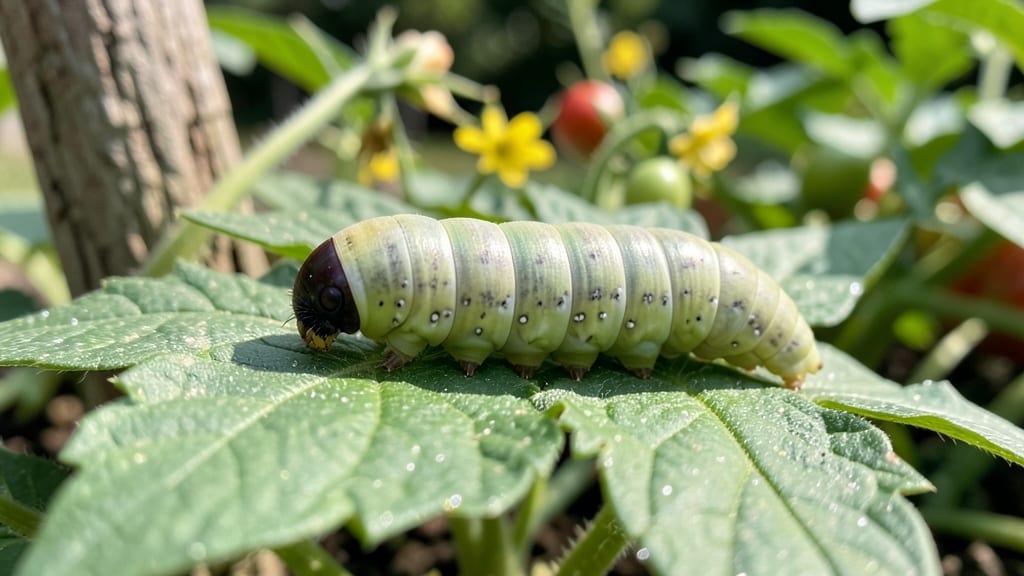
My tomato plants nearly became tomato hornworm prevention buffets last summer—until I discovered these three organic barriers that stop them instantly. 🌱 The key is acting fast: these hungry caterpillars can strip a plant bare in 24 hours, but physical barriers, natural predators, and smart planting choices create a fortress your tomatoes actually stand a chance against.
Here's the game-changer: row covers (the lightweight fabric kind) smother eggs before they hatch, while handpicking (yes, it's gross but effective) removes the caterpillars before they multiply.
I've also seen bacillus thuringiensis (Bt)—a natural bacteria—work like magic when sprayed at dusk, killing hornworms without harming bees or other beneficial insects.
What you'll end up with is a tomato season where your plants stay lush and productive instead of looking like Swiss cheese. The best part?
These methods work whether you're growing in containers, raised beds, or a traditional in-ground plot—no fancy equipment required, just a few simple supplies and a little vigilance.
Even better, these solutions prevent future outbreaks by disrupting the hornworm life cycle. Once you implement them, you'll notice fewer eggs on leaves, more flowers setting fruit, and tomatoes that actually make it to harvest instead of becoming caterpillar snacks. Let's get those plants protected!
Root Causes Of Tomato Hornworm Outbreaks
Tomato hornworms—those striped, voracious caterpillars—don’t just appear out of nowhere. Their sudden presence in your garden is the result of a mix of ecological factors, plant biology, and even human gardening habits.
Understanding why they thrive helps you disrupt their lifecycle before they devour your tomatoes. Here’s the science behind their invasion:
Tomato hornworms (Manduca sexta) are specialized feeders, meaning they’ve evolved to target nightshade plants—especially tomatoes, peppers, and eggplants. Here’s why your garden becomes their buffet:
- Rich foliage = All-you-can-eat buffet: Tomato plants packed with tender, nitrogen-rich leaves are a caterpillar’s dream. A single hornworm can consume up to 20 leaves in one night—that’s why over-fertilized or overly lush plants get hit hardest.
- Lack of natural repellents: Unlike some plants that produce bitter alkaloids or thorns, tomatoes have few chemical defenses against hornworms. Their primary deterrent? Trichomes (tiny hair-like structures) that irritate soft-bodied insects—but hornworms have evolved to chew through them.
- Young, vulnerable plants: Seedlings and young tomato plants are most attractive to moths laying eggs because their leaves are soft and nutrient-dense. Mature plants with tougher stems and thicker leaves are less appealing.
Pro Tip: 💡 Prune lower leaves regularly to reduce egg-laying sites and improve airflow, which makes plants less hospitable to pests.
Hornworms don’t hatch from random soil—they arrive as eggs laid by adult moths. Their life cycle is tightly linked to temperature, humidity, and your garden’s accessibility:
- Warm nights = Moth flight season: Adult hornworm moths are nocturnal pollinators that emerge when temperatures rise above 70°F (21°C). They’re drawn to light sources (like porch lights) and scent trails from flowering tomatoes.
- Eggs hidden in plain sight: Females lay 50–200 eggs in clusters on the undersides of leaves, stems, and even fruit. A single egg is 1mm wide—easy to miss until caterpillars emerge 3–5 days later.
- Peak hatching timing: Eggs hatch fastest in high humidity (60%+). If your garden stays damp (from watering, rain, or poor drainage), you’ll see explosive caterpillar populations within days.
Pro Tip: 🌡️ Monitor nighttime temps—if moths are active, inspect plants daily for eggs (use a magnifying glass). Remove clusters with a damp cloth to stop the cycle early.
Hornworms thrive when their natural predators are missing or when chemical pesticides have disrupted the ecosystem. Here’s how modern gardening practices accidentally invite them:
| Problem | Why It Helps Hornworms |
|---|---|
| Monoculture gardens (rows of only tomatoes) | Fewer predator species (like parasitic wasps or ladybugs) to keep hornworm populations in check. |
| Broad-spectrum pesticides (neonicotinoids, pyrethroids) | Kills beneficial insects (bees, lacewings, predatory beetles) that would otherwise eat hornworm eggs or larvae. |
| Lack of flowering plants (e.g., basil, dill, marigolds) | Reduces pollinators (like moths’ natural predators) and alternative food sources for adult moths. |
Pro Tip: ✨ Plant companion crops like basil, borage, or nasturtiums to attract predators. Avoid synthetic sprays—opt for neem oil or kaolin clay instead.
By targeting these root causes—nutrient-rich plants, moth migration, and ecosystem imbalances—you can break the hornworm cycle before they become a full-blown infestation. The good news? Organic barriers (like the ones in this article) work preemptively against all three triggers.
Quick Fixes for Hornworm Havoc
Now that you understand why tomato hornworms invade your garden, let’s tackle them head-on with practical, organic solutions that work fast. These fixes target the root causes—whether it’s hiding eggs, disrupting caterpillars, or luring them away—while keeping your plants safe and your harvest intact.
---
Hornworms start as tiny eggs laid on leaves, so catching them early is key.
- 🔍 Inspect Leaves Weekly Check the undersides of tomato leaves (especially near stems) for tiny green or white eggs (about the size of a pinhead). Wipe them off with a damp cloth or soapy water—this removes them before they hatch.
- 🌿 Use Kaolin Clay or Diatomaceous Earth Spritz leaves with kaolin clay (a natural mineral) or dust with food-grade diatomaceous earth (DE). These create a rough barrier that eggs can’t grip, preventing hatching. Reapply after rain.
- 🐝 Encourage Predatory Wasps Tiny braconid wasps lay eggs inside hornworm larvae, killing them from within. Plant dill, fennel, or marigolds to attract them naturally.
---
Once caterpillars emerge, act fast—they grow 2 inches in a day!
- 👨🍳 Handpick at Dawn or Dusk Hornworms are sluggish in cooler temps. Wear gloves, pluck them off plants, and drop them in soapy water (they’ll dissolve instantly). Check every 2–3 days for new arrivals.
- 🪰 Use a Drop Cloth or Newspaper Lay a black plastic tarp or damp newspaper under plants. Hornworms crawl down to hide—shake plants gently to make them fall, then dispose of them.
- 🐍 Introduce Beneficial Predators Praying mantises, ladybugs, and parasitic wasps love hornworms. Buy them online or attract them with native milkweed (their host plant).
---
Prevent hornworms from reaching your tomatoes in the first place.
- 🧶 Row Covers or Netting Use fine mesh netting (1/4-inch or smaller) over young plants. Secure edges tightly—hornworms can’t chew through it. Remove when flowers appear to allow pollination.
- 🌿 Companion Planting Plant basil, thyme, or oregano near tomatoes. The strong scents mask tomato odors, confusing hornworms. Bonus: These herbs repel pests and improve flavor!
- 🍃 Mulch with Wood Chips or Straw A thick 2–3 inch mulch layer disrupts hornworm movement and attracts ground-dwelling predators like ground beetles.
---
- 🌡️ Rotate Planting Locations Hornworms return to the same spot yearly. Move tomatoes to a new bed annually to break their cycle.
- 🎯 Use a Flashlight at Night Hornworms are nocturnal. Shine a flashlight on plants after dark—they’ll drop to the ground. Pick them up easily!
- 🚫 Avoid Over-Fertilizing Too much nitrogen makes plants soft and tasty to hornworms. Use balanced organic fertilizer (like compost or worm castings).
- 🔄 Interplant with Hornworm Hosts Confuse them by planting milkweed or tobacco plants nearby. Hornworms may prefer these over your tomatoes.
---
- ❌ Don’t use chemical pesticides—they kill beneficial insects too. - ❌ Don’t ignore early signs—waiting until leaves are skeletonized means the hornworms are already huge. - ❌ Don’t rely on one method—combine barriers, predators, and manual removal for the best results.
--- With these fast-acting, organic strategies, you’ll keep your tomato plants thriving without harsh chemicals. Stay vigilant, act early, and enjoy your pest-free harvest! 🍅✨
Frequently asked questions
How do I tell if my tomato plants have hornworms?
Look for striped green caterpillars (2-4 inches long) with a horn-like projection at the rear. Check for chewed leaves with only veins remaining or black droppings on foliage. Inspect undersides of leaves at dawn—this is where they hide during the day.
Is handpicking hornworms really effective?
Yes! These caterpillars grow 2 inches in 24 hours, so removing them early saves your plants. Wear gloves, pluck them into soapy water (they dissolve instantly), and check plants every 2-3 days. For large gardens, use a drop cloth—shake plants to make them fall onto it.
Can I use neem oil to prevent hornworms?
Neem oil works best as a preventive spray—it disrupts egg-laying and deters adult moths. Mix with water (1 tsp per quart) and spray evenings when bees aren't active. For existing caterpillars, combine with bacillus thuringiensis (Bt) for faster results. Reapply after rain.
Why do hornworms keep coming back every year?
Adult moths return to the same location yearly. Break the cycle by rotating planting spots annually and removing all eggs/caterpillars. Avoid over-fertilizing (nitrogen attracts them) and plant companion herbs like basil to mask tomato scents.
Are there any natural predators that eat hornworms?
Parasitic wasps lay eggs inside hornworms, killing them from within. Attract them with dill, fennel, or marigolds. Other helpers include praying mantises, ladybugs, and ground beetles. Plant native milkweed to support their populations naturally.