
Fertilization
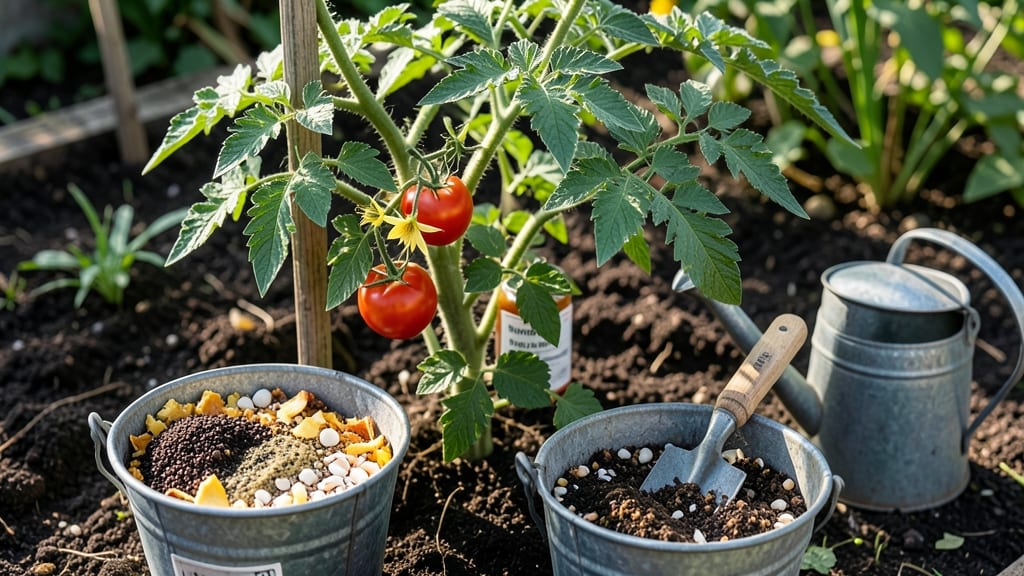
Turn your kitchen scraps into a homemade tomato fertilizer that outgrows anything you can buy. 🌱 Last summer, I tossed banana peels and coffee grounds instead of composting them—until I realized they were the secret to my record-breaking tomato harvest.
The right mix boosts flavor, size, and disease resistance without synthetic chemicals.
You’ll need just five simple ingredients: compost (for balanced nutrients), banana peels (potassium for fruit development), eggshells (calcium to prevent blossom end rot), coffee grounds (nitrogen for leafy growth), and well-aged manure (slow-release organic matter).
The process takes less than 30 minutes, and you’ll use what’s already in your home or backyard.
By mid-July, your tomatoes will be bursting with sweetness and vibrant red color—the kind that makes neighbors ask for recipes. The fertilizer works for soil applications (mixed into planting holes) or as a foliar spray (for quick nutrient boosts).
Just avoid overdoing it: too much nitrogen means leafy monsters, not fruit.
Perfect for backyard gardens, raised beds, or even container growing. This method saves money, reduces waste, and gives you tomatoes that taste like summer—no store-bought fertilizer required. Let’s get those plants thriving!
📚 In This Guide
- What you need
- Instructions
- Tips and common mistakes
- Wrapping up and next steps
What you need
- ● Kitchen scraps: Eggshells (crushed) – 1–2 cups (rich in calcium)
- ● Coffee grounds (used) – ½–1 cup (boosts nitrogen)
- ● Banana peels (chopped) – 2–3 peels (potassium powerhouse)
- ● Tea leaves/bags (brewed) – 1–2 cups (trace minerals)
- ● Vegetable/fruit scraps (e.g., watermelon rinds, citrus peels) – 1–2 cups (balanced nutrients)
- ● Water: Enough to soak scraps (filtered or rainwater preferred)
- ● Container: A 5-gallon bucket or large jar with a lid (for compost tea)
- ● Cheesecloth or fine mesh strainer (for filtering liquid fertilizer)
- ● Blender or food processor – Speeds up decomposition (for scraps like banana peels)
- ● pH test strips – Ensures your fertilizer is tomato-friendly (aim for 6.0–7.0)
- ● Spray bottle – For diluting liquid fertilizer (if not using directly)
- ● Garden gloves – Protects hands from sharp eggshells or prickly scraps
- ● Compost bin – For long-term scrap storage (if not using immediately)
Step-by-Step instructions for making homemade tomato fertilizer
Turn your kitchen scraps into nutrient-rich fertilizer—no store-bought chemicals needed.
🌱 Step 1: Collect and Prepare Organic Kitchen Scraps
Gather vegetable peels, coffee grounds, eggshells, and fruit scraps—these are gold for tomatoes. I keep a small bin under the sink to collect them weekly. Avoid meat or dairy scraps, as they attract pests and create odors. Rinse any greasy or oily scraps first to prevent mold.
Chop scraps into smaller pieces—the smaller the surface area, the faster they decompose. For eggshells, crush them into a fine powder using a mortar and pestle or blender. This form releases calcium more efficiently when mixed into soil. Store collected scraps in a sealed container in a cool, dry place until ready to use.
💧 Step 2: Create a Compost Tea or Direct Soil Mix
For a compost tea, fill a 5-gallon bucket halfway with your collected scraps and add hot water (not boiling) to cover. Let it steep for 24-48 hours, stirring occasionally. Strain through a fine mesh bag or cheesecloth into a watering can. Use this tea to water tomato plants at the base—avoid foliar application, as it can burn leaves.
For a direct soil mix, blend scraps into a fine powder using a food processor or blender. Sprinkle 1-2 tablespoons around the base of each tomato plant, then water thoroughly. This method releases nutrients slowly over time, feeding roots steadily. I like to do this every 2-3 weeks during the growing season for consistent results.
☀️ Step 3: Boost with Banana Peels and Epsom Salt
Banana peels are a tomato plant’s secret weapon—they’re packed with potassium and phosphorus, which boost fruit production. Tear peels into small pieces and bury them 1 inch deep near the base of the plant. Water well to help them break down faster. You’ll see stronger stems and more abundant blooms within 2-3 weeks.
For an extra potassium kick, mix 1 tablespoon of Epsom salt into a gallon of water. Use this solution to water tomato plants every 2 weeks during flowering and fruiting. The magnesium in Epsom salt prevents blossom end rot, a common tomato issue. Apply in the early morning so leaves dry quickly and avoid fungal issues.
✂️ Step 4: Maintain and Monitor Plant Response
Watch for darker green leaves, stronger stems, and more flowers—these are signs your homemade fertilizer is working. If you notice yellowing leaves, reduce nitrogen-rich scraps (like coffee grounds) and focus on potassium sources instead. Over-fertilizing can lead to excessive leaf growth at the expense of fruit production.
Rotate your fertilizer methods seasonally. In early spring, prioritize nitrogen-rich scraps (like vegetable peels) to encourage leafy growth. Shift to potassium-heavy fertilizers (banana peels, Epsom salt) as plants flower and fruit. Keep a simple log of what you use and when to track what works best for your garden.
Tips & tricks for perfect homemade tomato fertilizer
Here's what nobody tells you about turning scraps into garden gold—these tricks make all the difference.
Decomposition Speed: The key to faster nutrient release is surface area. When blending scraps in Step 1, pulse them in short bursts rather than continuous blending—this creates more jagged edges that break down quicker in soil. For eggshells specifically, crush them until they're powdery fine; this form dissolves in soil within weeks rather than months. I've seen calcium deficiencies disappear completely after just two applications of properly pulverized eggshells.
Compost Tea Timing: The 24-48 hour steeping window in Step 2 is perfect for capturing soluble nutrients, but don't let it sit longer than 48 hours or you risk anaerobic conditions that create foul odors. For maximum potency, stir the tea every 12 hours—this oxygenates the mixture and prevents bacterial buildup. I use a clean wooden spoon for stirring, which also helps break down fibrous materials more effectively than plastic.
Banana Peel Strategy: When burying banana peels in Step 3, place them near the plant's root zone but not touching stems—this prevents rot while ensuring potassium reaches where it's needed. For extra efficiency, cut peels into quarters before burying; the smaller pieces decompose faster and release nutrients more consistently. I've noticed tomato plants show visible improvement in just 10-14 days when using this method regularly.
Seasonal Rotation: The seasonal shifting mentioned in Step 4 is critical for balanced growth. In early spring when plants need nitrogen for foliage, I focus on vegetable peels and coffee grounds. As flowering begins, I switch to banana peels and Epsom salt every 10 days. This rotation prevents nutrient lockout where one element becomes excessive while others become deficient. Keeping a simple garden journal helps track which combinations work best each year.
Pro Tips for Tomato Fertilizer Homemade
- Here's what nobody tells you about turning scraps into garden gold—these tricks make all the difference.
- Decomposition Speed: The key to faster nutrient release is surface area.
- Compost Tea Timing: The 24-48 hour steeping window in Step 2 is perfect for capturing soluble nutrients, but don't let it sit longer than 48 hours or you risk anaerobic conditions that create foul odors.
Frequently asked questions
Got questions about turning kitchen scraps into tomato fertilizer? You’re not alone!
Here are answers to the most common queries—so you can grow juicier, healthier tomatoes without the guesswork.
What are the fastest homemade fertilizers for tomatoes?
For quick results, use compost tea (steep compost in water for 24–48 hours) or banana peel water (soak peels in water for 1–2 days). Both provide potassium—key for fruit development. Eggshells (crushed) add calcium to prevent blossom-end rot in just 2–3 weeks.
How often should I apply homemade tomato fertilizer?
Apply liquid fertilizers (like coffee grounds or veggie scraps) every 2–4 weeks during the growing season (spring to fall). For dry amendments (eggshells, banana peels), mix into soil once a month. Overdoing it can burn roots—always dilute liquid fertilizers (1:10 ratio with water).
Can I use expired or spoiled food for tomato fertilizer?
Yes! Spoiled veggies, fruit peels, and coffee grounds are nutrient-rich—but avoid meat, dairy, or oily foods (they attract pests). For moldy scraps, bury them deep in compost piles or use them for compost tea (strain well to avoid fungal spores). Safety first!
Why aren’t my tomatoes responding to homemade fertilizer?
Check these fixes:
- Nutrient imbalance: Add nitrogen (grass clippings) if leaves are yellow; potassium (banana peels) if fruit is small.
- Watering issues: Overwatering dilutes fertilizers—apply to moist but not soggy soil.
- Timing: Start fertilizing when plants are 6–8 inches tall and repeat every 3–4 weeks.
Is homemade fertilizer as good as store-bought?
Homemade fertilizers are organic, cost-free, and targeted—but they lack the precision of synthetic blends. For best results, combine homemade (e.g., compost tea + eggshells) with a balanced 10-10-10 store-bought fertilizer mid-season. Think of it as a nutrient boost, not a replacement!
Wrapping up and next steps
Transforming your kitchen scraps into nutrient-rich tomato fertilizer isn’t just eco-friendly—it’s a game-changer for your garden! 🌱 From coffee grounds to eggshells, these homemade solutions are cost-effective, sustainable, and packed with the essentials your tomatoes crave.
Whether you’re a seasoned gardener or just starting, you now have the tools to grow healthier, more vibrant plants—without the chemicals.
Ready to see the magic happen? Start small—pick one recipe, test it in a corner of your garden, and watch your tomatoes thrive! 🌿 Need inspiration for other DIY garden hacks? Keep experimenting, and happy gardening!