
Plants
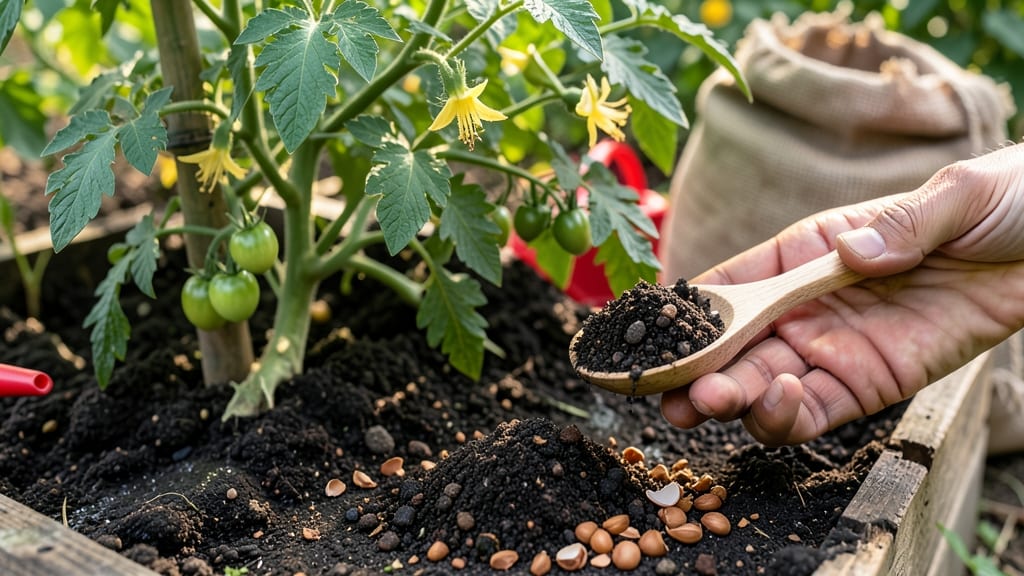
Using coffee grounds and eggshells for tomato plants boosts soil fertility with nitrogen and calcium, preventing blossom-end rot and promoting vigorous growth when properly incorporated into compost or mulch.
Coffee grounds act as a slow-release nitrogen source, feeding your plants over time while improving soil structure. 🌱 Meanwhile, finely crushed eggshells provide calcium carbonate, which helps prevent blossom-end rot—a common tomato problem.
The combination creates a nutrient powerhouse that supports both soil health and plant development, but timing and preparation are key to avoiding over-acidification or nutrient imbalances.
For best results, mix aged coffee grounds (never fresh, as they can harm plants) into your compost pile or sprinkle them lightly around the base of your tomato plants. Crushed eggshells can be worked directly into the soil during planting or added as a top dressing.
Just remember: moderation is crucial—too much of either can disrupt your soil's pH balance.
This natural fertilizer approach not only enhances tomato plant health but also reduces waste by repurposing kitchen scraps. The calcium from eggshells strengthens cell walls, while the nitrogen from coffee grounds promotes leafy growth, creating a perfect balance for productive tomato harvests.
💡 In This Article
- How Coffee Grounds and Eggshells Benefit Tomato Plant Nutrition
- Step-by-Step Guide: Applying Coffee Grounds and Eggshells to Tomato Plants
How coffee grounds and eggshells benefit tomato plant nutrition
Coffee grounds are a nitrogen powerhouse, containing about 2% nitrogen by weight—similar to many organic fertilizers. When decomposed, this nitrogen becomes available to tomato plants in a slow-release form, promoting lush foliage and vigorous growth.
The grounds also introduce beneficial microbes that break down organic matter, creating a thriving soil ecosystem. However, their acidity (pH around 6.2-6.8) means they should be used sparingly in alkaline soils to avoid pH imbalances.
Eggshells, on the other hand, are primarily composed of calcium carbonate (about 95% by weight), which directly addresses one of the most common tomato plant deficiencies—blossom-end rot. This condition occurs when calcium uptake is insufficient, causing the fruit's bottom to rot.
Crushed eggshells release calcium gradually, strengthening cell walls and preventing this issue. The porous nature of eggshells also improves soil aeration, allowing roots to access oxygen more efficiently.
The synergy between these two ingredients creates a balanced nutrient profile for tomatoes. Nitrogen from coffee grounds fuels leafy growth, while calcium from eggshells supports fruit development and structural integrity. Together, they reduce the risk of nutrient deficiencies that can stunt plant growth or reduce yield.
For example, a study by the University of Florida found that tomato plants grown with calcium-rich amendments produced 20-30% more fruit with fewer deformities compared to those without.
Another key benefit is their impact on soil microbial activity. Coffee grounds contain compounds that stimulate beneficial bacteria and fungi, which help decompose organic matter and make nutrients more available to plants. Eggshells, when crushed finely, provide a textured surface that encourages microbial colonization.
This microbial boost is particularly valuable in container gardens or raised beds, where soil volume is limited and nutrient cycling is slower.
However, there are nuances to consider. Fresh coffee grounds can be too acidic and may inhibit nutrient uptake if used directly.
They should be composted for at least 2-3 months before application to stabilize their pH. Similarly, eggshells need to be crushed into pieces smaller than 1/4 inch to maximize calcium release—whole shells decompose too slowly to be effective during the growing season.
For visual learners, imagine the soil as a living sponge: coffee grounds act like a slow-dripping faucet of nitrogen, while eggshells provide the structural support to keep the sponge from collapsing.
This dual approach ensures your tomato plants have both the energy (nitrogen) and the building blocks (calcium) they need to thrive. The result? Healthier plants, more abundant harvests, and fewer common problems like blossom-end rot or yellowing leaves.
What's particularly exciting is how these kitchen scraps transform from waste into a valuable resource. Instead of throwing out coffee grounds or tossing eggshells in the trash, you're creating a nutrient-rich amendment that can cut down on synthetic fertilizer use.
It's a win-win for both your garden and the environment. 🌿