
Watering
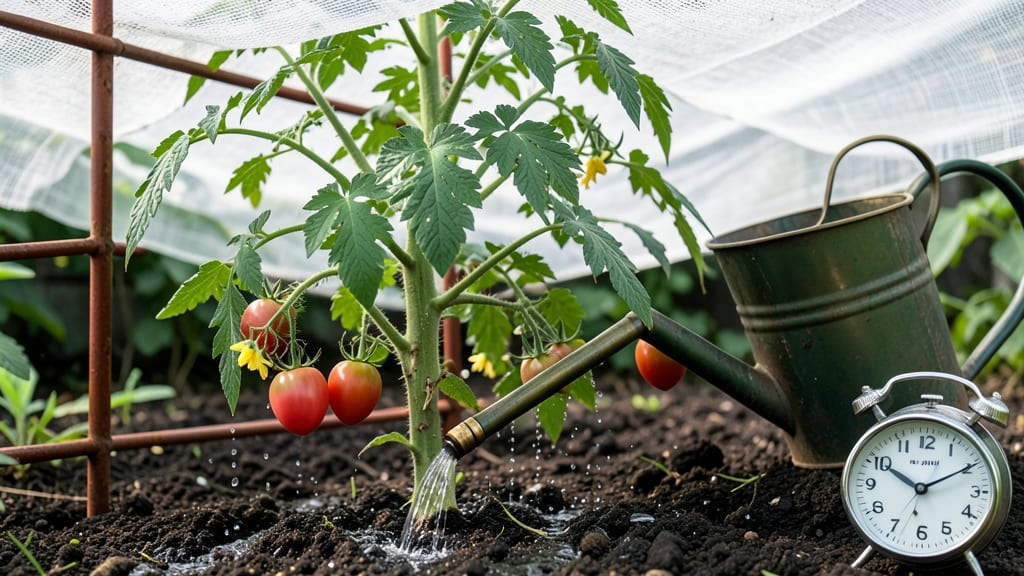
Watering tomato plants in hot weather at the wrong time wastes water, stresses your 🍅 plants, and invites disease—so timing is everything.
Ever watched your tomatoes wilt by noon, only to recover after sunset? That’s not just heat—it’s watering at the wrong hour. The best time to water tomato plants in hot weather isn’t what you think, and missing this window can turn your garden into a fungal buffet.
Morning watering keeps roots cool, reduces evaporation, and gives your plants a full day to soak up moisture before the sun peaks. But what if you’re not up at dawn? We’ll cover backup strategies, soil checks, and climate tweaks to keep your tomatoes thriving—even when the thermometer hits triple digits.
Below, I’ll break down the science behind morning watering, how to adjust for desert heat vs. humidity, and the one simple trick that prevents cracked fruit and blight. Ready to water smarter?
Why early morning is the optimal time to water tomato plants in heat
When summer temperatures soar, your tomato plants need consistent moisture to thrive—but timing matters just as much as quantity. Watering at the wrong time can lead to water waste, fungal diseases, and even heat stress.
Research shows that early morning watering between 6 AM and 10 AM aligns perfectly with your plants' natural growth cycles and environmental conditions. This window ensures water penetrates deep roots while minimizing evaporation losses, which can reach up to 30% by midday.
The key lies in soil temperature and humidity levels. Cooler morning air and dew-covered foliage create ideal conditions for water absorption. Studies from the University of California Cooperative Extension found that tomato plants experience 30% less stress when watered in the morning compared to evening watering.
Additionally, morning watering reduces the risk of blossom end rot by maintaining stable calcium uptake—a critical nutrient for cell wall development.
Evaporation rates skyrocket after 10 AM, with losses doubling by noon. For example, a 1-inch watering in the morning may only lose 10-15% to evaporation, while the same amount applied at 2 PM can lose 40-50%. This means your plants receive far less hydration, forcing them to work harder to compensate. Even worse, evening watering leaves foliage damp overnight, creating a perfect breeding ground for fungal pathogens like early blight and septoria leaf spot.
| Watering Time | Evaporation Loss | Fungal Risk | Root Absorption | Plant Stress |
|---|---|---|---|---|
| 6 AM - 10 AM | 10-15% | Low | High (deep penetration) | Minimal |
| 10 AM - 4 PM | 40-50% | Moderate | Low (surface evaporation) | High |
| 6 PM - 10 PM | 20-30% | High (fungal growth) | Moderate (shallow absorption) | Moderate |
Morning watering also keeps soil temperatures cooler, which is crucial for root zone health. Soil can heat up to 120°F (49°C) in full sun, but morning watering helps maintain temperatures 10-15°F cooler for several hours.
This temperature regulation prevents root burn and supports microbial activity in the soil, which breaks down organic matter and releases nutrients your tomatoes need. Additionally, cooler soil encourages deeper root growth, making your plants more resilient during heatwaves.
Another critical benefit is how morning watering aligns with your tomato plants' transpiration cycle. Plants naturally release moisture through their leaves during the day, but they absorb water most efficiently when the soil is moist from morning watering.
This creates a balanced hydration cycle, reducing the risk of wilting and sunburn on leaves. In fact, plants watered in the morning can maintain 20-30% higher turgor pressure (cell stiffness) throughout the day, helping them stand upright and absorb sunlight more effectively.
For determinate tomato varieties (like Roma or Celebrity), morning watering is especially important because it supports fruit set. When flowers receive adequate moisture in the morning, they're more likely to develop into healthy tomatoes rather than dropping off due to stress.
Even indeterminate varieties (like Cherry or Beefsteak) benefit from consistent morning hydration, as it prevents blossom end rot—a common issue in hot climates caused by inconsistent calcium availability.
Let’s talk about humidity levels, which play a surprising role in watering efficiency. Morning air is typically 20-30% more humid than afternoon air, meaning water droplets linger on leaves longer before evaporating. This gives your plants more time to absorb moisture through their roots.
In contrast, watering in the afternoon often results in surface runoff because the soil is already dry and hard from heat, preventing proper absorption.
If you're dealing with extreme heat spikes (above 90°F/32°C), morning watering becomes even more critical. During these conditions, tomato plants can lose up to 50% more water through transpiration.
By watering early, you're essentially giving your plants a hydration head start that carries them through the hottest part of the day. Pair this with mulching (using straw or wood chips) to retain moisture, and you’ll see a noticeable difference in plant vigor and fruit production.
One common misconception is that watering in the evening is just as good. While it’s better than midday watering, evening watering comes with risks. Damp foliage overnight creates the perfect environment for fungal spores
Step-by-step guide to perfect morning watering for tomato plants
Watering your tomato plants at the right time in hot weather can mean the difference between lush, productive vines and wilted, stressed foliage. The early morning hours (before 10 AM) are your best bet because cooler temperatures and lower wind reduce evaporation rates by up to 50%.
This ensures water reaches the root zone instead of sitting on leaves, which can lead to fungal diseases like blight.
To master this technique, you’ll need just a few essential tools: a watering can or drip irrigation system, a moisture meter (or your finger), and mulch to retain soil moisture.
The goal is to keep the soil consistently moist—about 1-1.5 inches per week—while avoiding soggy soil or dry patches. Let’s break it down into simple, actionable steps to get your tomatoes thriving.
🌱 Step-by-Step Morning Watering Routine
-
Step 1: Water Before 10 AM
Start your watering routine as soon as the dew dries (usually between 6-8 AM). This ensures water absorbs quickly into the root zone before the sun intensifies.
-
Step 2: Use Deep Watering Techniques
For container-grown tomatoes, water until you see moisture drain from the bottom. For in-ground plants, aim for 1-1.5 inches of water per session. A drip irrigation system delivers water slowly and evenly.
-
Step 3: Check Soil Moisture Daily
Stick your finger 1-2 inches deep into the soil. If it feels dry, water immediately. If it’s damp, wait another day. Overwatering is just as harmful as underwatering.
-
Step 4: Avoid Wetting Leaves
Use a soaker hose or water at the base of the plant to prevent leaf diseases. Wet foliage in hot weather creates a breeding ground for blight and mildew.
-
Step 5: Adjust for Extreme Heat
If temperatures exceed 90°F (32°C), water twice daily: once in the morning and once in the late afternoon. Monitor your plants for wilting leaves or yellowing foliage, which are signs of stress.
-
Step 6: Mulch to Retain Moisture
Apply 2-3 inches of mulch (straw or wood chips) around the base of your plants. This keeps soil cool and reduces water evaporation by up to 30%. Replenish mulch as it breaks down.
-
Step 7: Signs of Over/Under-Watering
Underwatered: Wilting leaves, dry soil, crispy edges on foliage.
Overwatered: Yellow leaves, mushy stems, soil that smells sour.
When temperatures soar, even the most experienced gardeners struggle to keep up with their tomatoes’ thirst. If you notice drooping leaves by midday, it’s a clear sign your plants need more frequent watering.
However, avoid the temptation to water in the evening—this can prolong moisture on leaves, increasing the risk of fungal infections. Instead, focus on deep, consistent watering in the morning and use mulch to stretch those watering intervals.
Pro tip: Group your tomato plants with other thirsty vegetables like peppers and cucumbers. This way, you can water multiple plants at once, saving time and ensuring everyone gets the hydration they need. Consistency is key—your tomatoes will reward you with juicy, flavorful fruit all season long.
By following this morning watering routine, you’ll create an optimal environment for your tomatoes to thrive, even in the hottest weather. Keep an eye on your plants, adjust as needed, and soon you’ll be harvesting baskets full of ripe, sun-kissed tomatoes. Happy gardening! 🍅