
Pests
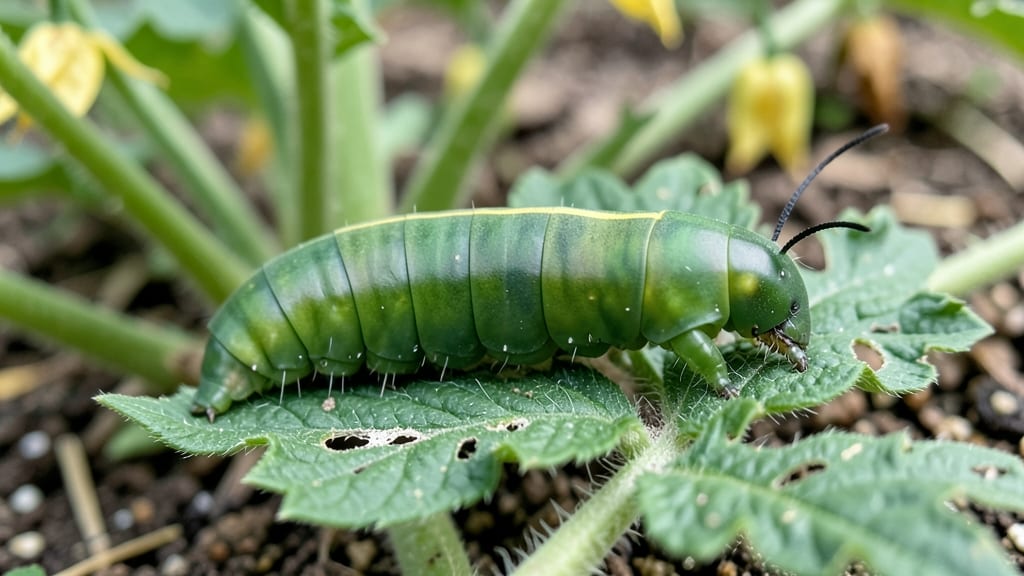
Those eating caterpillar striped green monsters devouring your tomatoes faster than you can blink? 🌱 I’ve battled tomato hornworms and loopers for years, and I’ve perfected organic methods that actually work—no harsh chemicals required. The damage is unmistakable: skeletonized leaves, missing fruit, and caterpillar poop everywhere.
But here’s the good news: these pests have natural predators (like parasitic wasps) and organic controls that stop them in their tracks—without harming your garden’s ecosystem. You’ll learn to spot the signs early, use neem oil and hand-picking like a pro, and even repel them with companion plants.
My tomato plants now stay lush and productive all season long. Works for backyard gardens, containers, or even a single tomato plant on your patio. Let’s get those caterpillars under control!
The Hidden Lures Behind Caterpillar Feasts
Those voracious tomato-munching caterpillars don’t just appear out of nowhere—they’re drawn to your garden for specific reasons. Understanding these triggers is the first step to stopping their destructive appetites. Let’s break down the science behind why these fuzzy pests target your prized plants.
Tomatoes aren’t just any snack—they’re a caterpillar’s dream meal. These pests, like the infamous hornworm or tomato looper, are drawn to tomatoes for several key reasons:
- High Water Content: Tomatoes are juicy and hydrating, making them an easy, energy-rich food source for growing caterpillars.
- Rich in Nutrients: Tomatoes contain proteins, sugars, and vitamins that caterpillars need to develop quickly. Their soft flesh is perfect for their chewing mandibles.
- Volatile Compounds: Tomatoes release chemical signals (like volatile organic compounds) that attract caterpillars from miles away. These scents act like a dinner bell for hungry larvae.
Actionable Tip: If you notice caterpillars early, prune heavily damaged leaves to remove their food source and disrupt their feeding cycle.
Caterpillars thrive in conditions that mimic their natural tropical and subtropical habitats. If your garden provides the right climate, you’re essentially rolling out the welcome mat:
- Warmth: Caterpillars are cold-blooded and become more active in temperatures above 65°F (18°C). Greenhouses, south-facing gardens, or mulched beds create ideal heat traps.
- Humidity: Moisture helps caterpillars stay hydrated and speeds up their growth. Overwatered soil or morning dew can make your plants even more appealing.
- Hiding Spots: Dense foliage, tall plants, or weedy areas provide shelter from predators (like birds or parasitic wasps) and make it easier for caterpillars to go unnoticed.
Pro Tip: 🌡️ Monitor soil temperature with a simple thermometer. If it’s consistently warm, caterpillars are more likely to strike—consider row covers or shade cloth during peak activity.
Most tomato-eating caterpillars start life as eggs laid by adult moths. These moths are highly selective about where they deposit their eggs—always choosing spots that ensure their offspring will have food and safety:
- Undersides of Leaves: Moths prefer to lay eggs on the lower surfaces of tomato leaves because it protects them from predators and harsh sunlight.
- New Growth: Young, tender leaves and stems are more nutritious and easier for newborn caterpillars to eat.
- Isolated Plants: Moths target single tomato plants or small clusters, as these are easier to locate and less likely to be monitored by gardeners.
🔍 Early Detection Matters: Check the undersides of leaves regularly for tiny eggs (often white or yellow). If you spot them, remove the leaves immediately to prevent hatching.
Healthy gardens have natural predators that keep caterpillar populations in check. But if your ecosystem is disrupted, caterpillars can explode in numbers:
| Missing Predators | Why It Helps Caterpillars |
|---|---|
| Few birds or bats | These animals eat caterpillars—but if you’ve used pesticides or lack perching spots, they’ll avoid your garden. |
| No parasitic wasps | These tiny wasps lay eggs inside caterpillars, killing them naturally. Chemical sprays wipe them out. |
| Lack of beneficial nematodes | Microscopic worms in the soil attack caterpillar eggs and young larvae. Synthetic fertilizers can harm them. |
✨ Restore Balance: Plant native flowers to attract predator insects, avoid broad-spectrum pesticides, and encourage diversity in your garden.
Now that you know why these caterpillars are crashing your tomato party, the next step is learning how to stop them organically—without harming your plants or the planet.
Natural Ways to Stop Caterpillars Devouring Tomatoes
Once you’ve spotted those ravenous tomato-eating caterpillars munching away on your prized plants, it’s time to act—but without resorting to harsh chemicals. The good news? There are plenty of organic, effective solutions to protect your tomato harvest.
Below, we’ll break down cause-specific fixes, from immediate damage control to long-term prevention, so you can reclaim your garden without harming the environment (or your health).
Cause: Caterpillars are actively feeding on your tomato leaves and fruit. Fix: Handpick or trap them before they multiply.
- 🔥 Handpick at dawn or dusk Caterpillars are sluggish in cooler temperatures, making them easier to spot and remove. Wear gloves (some caterpillars, like tomato hornworms, have tiny spines!) and drop them into soapy water to kill them instantly. For large infestations, use tongs or a small net.
- 🍳 DIY trap with beer or yeast Caterpillars are attracted to fermenting scents. Mix 1 cup beer or yeast with 1 gallon of water in a shallow dish, place it near tomato plants, and check daily. The caterpillars will drown—no chemicals needed.
- 👨🍳 Use a drop cloth or sheet Shake plants over a white sheet in the morning, then dispose of caterpillars in a sealed bag. Repeat every 2–3 days until the infestation subsides.
Cause: Caterpillars are hard to spot or too numerous to handpick. Fix: Create a protective barrier to block access.
- 🥘 Row covers or lightweight fabric Use floating row covers (made of breathable fabric) to cover young tomato plants before caterpillars appear. Secure edges with soil or bricks to prevent moths from laying eggs underneath. Remove covers when flowers appear to allow pollination.
- 🔪 Prune and protect vulnerable leaves Caterpillars target lower leaves first. Trim heavily damaged foliage and dispose of it far from your garden. For young plants, wrap the stem in cardboard collars (cut from a box) to deter egg-laying moths.
- 🌡️ Sticky traps for adult moths Hang yellow or blue sticky traps near tomato plants to catch adult moths before they lay eggs. These traps are reusable and chemical-free.
Cause: Caterpillars persist despite removal efforts. Fix: Use natural repellents that disrupt their feeding or life cycle.
- 🎯 Neem oil spray (best for young caterpillars) Mix 1 tbsp neem oil + 1 tsp mild soap + 1 quart water in a spray bottle. Apply early morning or late evening (avoid direct sun to prevent plant burn).
Neem oil disrupts caterpillar feeding and growth, but it works best on smaller larvae.
- 🌿 Bacillus thuringiensis (Bt) – the "caterpillar antibiotic" This soil bacterium is safe for humans and pets but deadly to caterpillars. Mix 1 tsp Bt powder per gallon of water, spray thoroughly on leaves (focus on undersides where eggs are laid), and reapply after rain.
Works within 48 hours of ingestion.
- 🥗 Spicy pepper or garlic spray Blend 1–2 hot peppers or 3 garlic cloves with 1 quart of water, strain, and add 1 tsp soap. Spray directly on caterpillars and leaves. The capsaicin and sulfur compounds make leaves unappetizing. Reapply every 5–7 days or after rain.
Cause: Recurring infestations year after year. Fix: Disrupt their life cycle with cultural and habitat changes.
- 🌱 Plant companion crops Caterpillars dislike certain plants. Interplant tomatoes with:
- Basil (masks tomato scent)
- Marigolds (repel moths with their strong fragrance)
- Nasturtiums (trap aphids that attract moths)
- 🌙 Encourage natural predators Attract birds, parasitic wasps, and ladybugs by adding:
- Dill, fennel, or parsley (attracts parasitic wasps)
- Shallow birdbaths (invites insect-eating birds)
- Leave some leaf litter (provides habitat for ground beetles)
- 🔄 Rotate crops annually Avoid planting tomatoes (or nightshades like peppers/eggplants) in the same spot every year. Caterpillar eggs and larvae can overwinter in soil—rotation starves them out.
- 🌡️ Time your planting Start tomatoes after the last frost but before moths emerge (usually late spring). Check local pest calendars for peak moth activity in your region.
- 💡 Double-check egg clusters – Many caterpillars (like hornworms) lay eggs on leaf undersides. Scrape them off with a fingernail or cotton swab dipped in soapy water. - ⏰ Monitor daily – Caterpillars grow fast!
Check plants every 2–3 days, especially after rain (which washes off sprays). - 🌿 Use coffee grounds – Sprinkle used coffee grounds around tomato bases.
The bitter smell repels moths and adds nitrogen to the soil. - 🍎 Avoid over-fertilizing with nitrogen – Lush, soft leaves are a caterpillar’s dream. Use a balanced fertilizer (10-10-10) and focus on potassium-rich amendments (like wood ash) to toughen plants.
By combining immediate removal, physical barriers, and long-term prevention, you can keep caterpillars at bay without chemicals. The key is consistency—stay vigilant, and your tomato plants will thrive! 🍅💪
Frequently asked questions
What are the most common tomato-eating caterpillars I should watch for?
The two most destructive culprits are the tomato hornworm (large green with white stripes) and the tomato looper (smaller with a looping crawling pattern). Both can defoliate plants in days. Look for chewed leaves, black droppings, and the caterpillars themselves hiding on stems or leaf undersides.
Is it safe to eat caterpillars that fall into my soapy water trap?
No, never consume them! Soapy water kills caterpillars instantly, but the solution itself is toxic. Always wear gloves when handling them, and dispose of the water (and caterpillars) far from your garden. The soap residue makes it unsafe for composting too.
How often should I reapply Bt (Bacillus thuringiensis) spray?
Reapply Bt spray every 7-10 days or immediately after heavy rain, as it loses effectiveness when wet. For best results, spray early morning or late evening when caterpillars are most active. It’s safe to use right up until harvest!
Will neem oil harm my tomato plants if used correctly?
Neem oil is generally safe when used properly, but it can cause leaf burn if applied in direct sunlight or at high concentrations. Always mix 1 tbsp neem oil + 1 tsp mild soap per quart of water and apply early morning or evening. Test on a few leaves first to check for sensitivity.
Can I still save my tomatoes if caterpillars have already damaged the fruit?
Yes! Remove any heavily damaged fruit immediately, but lightly damaged tomatoes can still ripen. For future prevention, cover young plants with row fabric until flowers appear. Also, pick fruits more frequently to reduce attractiveness to moths.