
Vegetables
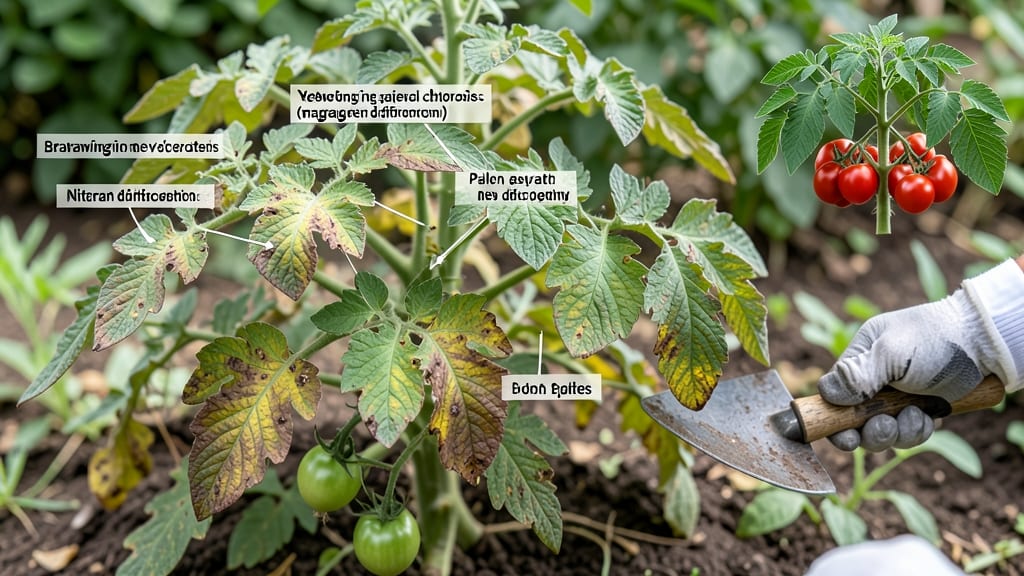
Your tomato plants are screaming for help—but a tomato deficiency chart translates those symptoms into actionable fixes before your harvest suffers. 🌱 Yellowing leaves, spotted fruit, or stunted growth? A simple visual guide matches those signs to soil solutions, saving you time and frustration.
I've spent years diagnosing these issues in my own garden, and the patterns are shockingly consistent once you know what to look for.
Most problems start in the soil: too much nitrogen makes leaves grow fast but weak, while potassium shortages cause fruit to rot before ripening. Magnesium deficiency? Look for yellowing between leaf veins—it's the classic "lime-induced" look that throws off many gardeners.
The good news is that fixing these issues is straightforward once you match symptoms to solutions, whether it's adjusting fertilizer ratios or adding organic amendments.
By the end, you'll spot deficiencies within minutes of inspecting your plants and know exactly how to correct them. No more guessing whether to add compost, fish emulsion, or Epsom salt—just clear, visual guidance that works for both container tomatoes and in-ground plants.
The chart itself is designed to fit on your phone for quick reference during harvest season.
We'll cover the five most common deficiencies, their telltale signs, and the fastest fixes—plus how to prevent them next year through smarter soil prep. Even if you're a beginner, this system works because it focuses on what you can see, not what you can't.
Root Causes Of Tomato Troubles
Understanding why your tomatoes develop deficiencies is the first step to fixing them. These issues often stem from imbalances in nutrients, environmental stress, or improper growing conditions. Below, we break down the most common causes—so you can diagnose and treat your plants effectively.
Tomatoes are heavy feeders, and deficiencies often arise when they don’t get the right nutrients in the right amounts. Here’s what’s likely missing—and why:
- 📊 Nitrogen (N) Deficiency What’s happening? Nitrogen is the building block of chlorophyll, the pigment that gives leaves their green color.
Without enough nitrogen, your tomato plants can’t produce enough energy to grow strong stems, leaves, or fruit. Why it happens: - Poor soil quality – Sandy or overly drained soils wash away nitrogen quickly. - Overwatering – Excess water leaches nitrogen from the root zone before plants can absorb it. - Improper fertilization – Using fertilizers high in phosphorus (P) or potassium (K) but low in nitrogen can starve your plants. - Depleted soil – Repeated planting without replenishing nutrients exhausts the soil’s nitrogen reserves.
- 💚 Magnesium (Mg) Deficiency (Commonly Mistaken for Nitrogen) What’s happening? Magnesium is central to chlorophyll production.
When levels drop, older leaves turn yellow between the veins—a classic sign of interveinal chlorosis. Why it happens: - Acidic soil – Magnesium becomes less available in soils with a pH below 6.0. - Over-fertilization with potassium – High potassium levels can block magnesium uptake. - Heavy clay soils – Magnesium binds tightly to clay particles, making it inaccessible to roots. - Excessive rainfall – Frequent watering flushes magnesium out of the root zone.
- 🍅 Calcium (Ca) Deficiency (The Blossom End Rot Culprit) What’s happening? Calcium is crucial for cell wall structure, especially in developing fruit.
A deficiency leads to blossom end rot (black, sunken spots on tomatoes) and weak stems. Why it happens: - Inconsistent watering – Calcium uptake is sensitive to moisture fluctuations; drought stress or uneven watering disrupts absorption. - Cool soil temperatures – Roots struggle to absorb calcium when soil temps drop below 55°F (13°C). - High potassium or magnesium levels – These nutrients compete with calcium for uptake. - Organic matter breakdown – As compost or manure decomposes, it can temporarily tie up calcium, making it unavailable.
Sometimes, deficiencies aren’t about what’s missing—they’re about what’s wrong with the growing conditions. Here’s how your environment might be sabotaging your tomatoes:
- 💦 Overwatering or Poor Drainage Why it happens:
- Root suffocation – Waterlogged soil cuts off oxygen, preventing roots from absorbing nutrients efficiently.
- Leaching of micronutrients – Excess water washes away zinc, iron, and manganese, leading to yellowing (chlorosis).
- Fungal diseases – Soggy conditions encourage pathogens like early blight, which mimic deficiency symptoms (e.g., brown spots on leaves).
- ☀️ Extreme Heat or Cold Stress Why it happens:
- Heat stress (above 90°F/32°C) – High temperatures reduce nutrient uptake, especially boron and calcium, leading to poor fruit set and blossom end rot.
- Cold soil (below 50°F/10°C) – Slows root activity, making it hard to absorb phosphorus and nitrogen, stunting growth.
- Frost damage – Can kill cells in leaves, causing them to appear yellow or brown, mimicking deficiencies.
- 🌿 Soil pH Imbalances Why it happens:
- Too acidic (pH < 6.0) – Locks out phosphorus, calcium, and magnesium; excess aluminum and manganese become toxic.
- Too alkaline (pH > 7.5) – Reduces availability of iron, zinc, and manganese, causing yellowing between veins (even if nitrogen is present).
- Tomatoes thrive at pH 6.0–6.8—test your soil to avoid false deficiencies!
Sometimes, what looks like a deficiency is actually damage from pests or pathogens that disrupt nutrient flow:
- 🐜 Root-Knot Nematodes or Aphids Why it happens:
- Root damage – Nematodes destroy fine root hairs, reducing the plant’s ability to absorb water and nutrients (especially phosphorus and potassium).
- Sap-sucking pests (aphids, spider mites) – Weakens leaves, causing yellowing or curling, which can be mistaken for nitrogen deficiency.
- 🍄 Fungal Infections (Early Blight, Septoria Leaf Spot) Why it happens:
- Leaf spots and lesions – Fungal diseases block sunlight and clog stomata, reducing photosynthesis and mimicking magnesium or nitrogen deficiencies.
- Stunted growth – Severe infections divert energy away from nutrient uptake.
- 🪰 Physical Root Damage Why it happens:
- Compaction or tilling – Crushes roots, limiting access to water and nutrients.
- Weed competition – Competes for nutrients like nitrogen and potassium, starving your tomatoes.
Pro Tip: 💡 Before blaming a deficiency, rule out pests and diseases first! Inspect leaves, stems, and roots for signs of damage—sometimes a simple spray of neem oil or a soil drench of hydrogen peroxide (3%) can revive struggling plants.
Fixing Tomato Plant Troubles
Now that you’ve identified the signs of tomato deficiencies or stress, it’s time to take action! The good news? Most issues can be resolved with simple, targeted fixes. Below, we’ve mapped common causes to their solutions—plus prevention tips to keep your plants thriving. 🌱💪
If your tomatoes are showing signs of hunger, they need a quick nutrient boost. Here’s how to fix the most common deficiencies:
🍳 Magnesium Deficiency (Blossom End Rot)
Fix: - Apply Epsom salt (magnesium sulfate) to the soil. Mix 1 tablespoon per gallon of water and spray on leaves or water the base of the plant.
Repeat every 2–3 weeks until symptoms improve. - Use compost or aged manure to replenish magnesium naturally over time. - Calcium boost: If blossom end rot persists, add crushed eggshells (baked and ground) or lime to the soil for extra calcium.
🌱 Nitrogen Deficiency (Yellowing Leaves)
Fix: - Add organic nitrogen like blood meal, fish emulsion, or compost tea.
Follow package instructions for application rates. - Side-dress plants with a balanced fertilizer (10-10-10) every 4–6 weeks during the growing season. - Mulch heavily with grass clippings or straw to retain nitrogen in the soil.
💡 Phosphorus Deficiency (Purple Stems/Leaves)
Fix:
- Use bone meal or rock phosphate—sprinkle 1–2 tablespoons per plant and lightly work into the top inch of soil.
- Apply a phosphorus-rich fertilizer (look for a 5-10-10 or 3-12-6 ratio) at planting and again when flowers appear.
- Compost tea can also help if applied as a foliar spray (follow instructions carefully).
🥗 Potassium Deficiency (Brown Leaf Edges)
Fix: - Use a potassium-rich fertilizer like greensand, wood ash, or banana peel tea.
Soak banana peels in water for 2–3 days, strain, and use as a foliar spray. - Apply a balanced fertilizer (e.g., 5-5-5 or 10-10-10) to ensure potassium levels rise. - Avoid overwatering, as potassium leaches out quickly in soggy soil.
🌡️ Iron or Zinc Deficiency (Yellow Between Veins) Fix:
- Spray with chelated iron or zinc (available at garden centers). Follow label instructions for dilution and application.
- Lower soil pH slightly by adding sulfur or pine needles—tomatoes thrive in pH 6.0–6.8.
Test your soil first! - Use composted leaves or worm castings to improve micronutrient availability.
Sometimes, the issue isn’t nutrients but water, light, or temperature. Here’s how to tweak your growing conditions:
💧 Overwatering or Poor Drainage (Root Rot, Wilting) Fix:
- Let the top 1–2 inches of soil dry out between waterings. Stick your finger in the soil—if it’s soggy, wait!
- Improve drainage by amending soil with perlite, sand, or coconut coir.
Avoid heavy clay soils. - Water deeply but infrequently—early morning is best to reduce fungal risks.
☀️ Underwatering (Drooping Leaves, Cracked Fruit)
Fix:
- Water consistently, aiming for 1–1.5 inches per week (more in extreme heat).
- Mulch around plants with straw or wood chips to retain moisture and regulate soil temperature.
- Use drip irrigation to deliver water directly to roots, reducing evaporation.
🌡️ Heat Stress (Bleached Leaves, Sunburn)
Fix:
- Provide afternoon shade with a lightweight row cover or shade cloth (30–50% shade).
- Mulch heavily to keep roots cool and water deeply in the morning.
- Choose heat-tolerant varieties like ‘Solar Fire’ or ‘Heatmaster’ for future plantings.
🌬️ Wind or Physical Damage (Torn Leaves, Stunted Growth)
Fix:
- Use stakes, cages, or trellises to support plants and reduce wind exposure.
- Prune damaged leaves to redirect energy to fruit production.
- Plant in a sheltered spot or use windbreaks like tall grass or bamboo screens.
An ounce of prevention is worth a pound of cure! Follow these pro tips to avoid deficiencies and stress:
- 💡 Test your soil before planting—know what’s missing so you can amend early. - 🌱 Rotate crops—don’t plant tomatoes in the same spot yearly to prevent nutrient depletion. - ✨ Use organic matter like compost or worm castings at planting time for a slow-release nutrient boost. - 🔥 Monitor regularly—catch early signs of stress with weekly inspections (especially undersides of leaves!). - 🍅 Feed lightly but often—tomatoes are heavy feeders, but too much fertilizer burns roots.
Stick to a balanced schedule.
By addressing the root cause (literally!) and adjusting your care routine, your tomato plants will bounce back stronger—and you’ll be rewarded with juicy, vibrant fruit all season long. 🍅🌟
Frequently asked questions about tomato nutrient deficiencies
What does yellowing between leaf veins mean for my tomato plants?
That classic pattern signals magnesium deficiency, often mistaken for nitrogen issues. Unlike nitrogen deficiency (where entire leaves yellow), magnesium deficiency shows up as yellowing between veins while keeping the veins green. Older leaves show symptoms first. Fix it with Epsom salt (1 tbsp/gallon) or compost rich in magnesium.
Why are my tomato leaves turning purple?
Purple-tinged leaves indicate phosphorus deficiency, which is crucial for root and flower development. This often happens in cool soils or when plants are stressed. Boost phosphorus by adding bone meal (1-2 tbsp/plant) or using a 5-10-10 fertilizer. Avoid over-fertilizing with nitrogen-heavy mixes.
How can I tell if my tomato problems are from deficiencies or pests?
Check the undersides of leaves—pests like spider mites leave tiny webs or speckling, while deficiencies cause uniform color changes. Also examine stems: aphids leave sticky residue, while deficiencies cause stunted growth without visible bugs. If in doubt, spray with water first—pests often flee.
Will fixing deficiencies improve my tomato fruit quality?
Correcting deficiencies like calcium (blossom end rot) or potassium (poor flavor) leads to sweeter, firmer fruit. For example, adding crushed eggshells for calcium prevents those ugly black bottoms, while potassium fixes weak cell walls that cause fruit to split. Start fixes early—fruit symptoms appear after leaves show signs.
Can I use household items to fix tomato deficiencies?
Yes! For magnesium, use Epsom salt (1 tbsp/gallon). For calcium, crush eggshells and bake at 200°F for 10 minutes to kill bacteria, then grind. Banana peels provide potassium—soak in water for 2-3 days and use as fertilizer. Coffee grounds add nitrogen but use sparingly (½ cup/plant). Always test soil first!