
Companion Plants
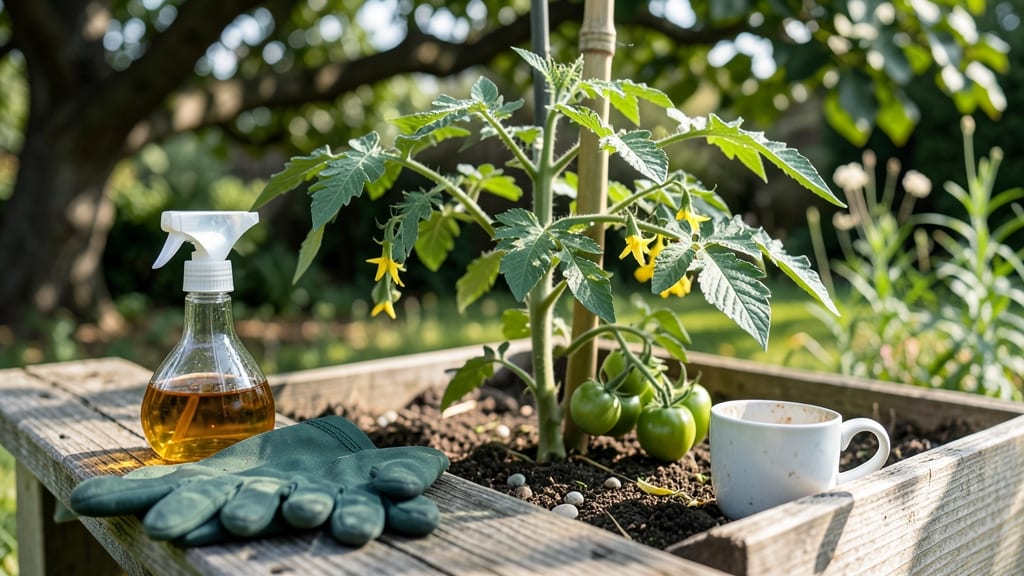
Using hydrogen peroxide on tomato plants strengthens roots, boosts oxygen uptake, and prevents fungal diseases when diluted to 1 tablespoon (15 mL) per gallon (3.8L) of water, applied every 2–4 weeks during active growth. Always use 3% food-grade solution and spray foliage or soil in early morning or evening.
Hydrogen peroxide works as a natural sanitizer for your tomato garden by releasing oxygen into the soil, which helps break down harmful pathogens like bacterial spot or early blight. 🌱 The 3% solution is key—it's strong enough to be effective but gentle enough to avoid damaging plant cells.
I've seen firsthand how this simple treatment can transform struggling plants by improving root health and preventing mold before it starts.
For best results, mix your solution in a spray bottle or watering can, focusing on the undersides of leaves and the base of the plant where fungal spores often hide. Always test a small area first—overuse can bleach foliage, so moderation is crucial.
This method is especially valuable for organic gardeners looking to avoid synthetic chemicals while keeping their tomatoes thriving.
💡 In This Article
- How Hydrogen Peroxide Benefits Tomato Plant Health
- Step-by-Step Guide: Mixing, Applying, and Avoiding Mistakes
How hydrogen peroxide benefits tomato plant health
Hydrogen peroxide acts as a natural sanitizer through its oxidizing properties, which disrupt the cellular structure of pathogens like Pseudomonas syringae (causing bacterial spot) and Alternaria solani (early blight).
When applied at 1 tablespoon (15 mL) per gallon (3.8L), the solution releases oxygen bubbles that physically break down fungal spores and bacterial biofilms. This is different from chemical fungicides, which often rely on toxic residues—hydrogen peroxide works by creating an oxygen-rich environment that pathogens can't survive in.
The oxygen release also improves soil aeration in the root zone, which is crucial for tomato plants that thrive in well-drained conditions. Compacted soil often leads to anaerobic pockets where harmful microbes flourish.
A 3% food-grade solution releases about 10-15% oxygen by volume when properly diluted, creating a temporary oxygen boost that stimulates root respiration. This is why you'll see healthier root systems and improved nutrient uptake after consistent applications during active growth stages.
Another key benefit is enzymatic stimulation—hydrogen peroxide triggers the plant's natural defense mechanisms by activating peroxidase enzymes, which help break down hydrogen peroxide into water and oxygen. This process strengthens cell walls and improves disease resistance.
Unlike synthetic fertilizers, which provide nutrients but don't address microbial balance, hydrogen peroxide works holistically by both sanitizing and stimulating the plant's own immune system.
However, the pH effect is often misunderstood. While hydrogen peroxide itself is slightly acidic (pH ~3.5), the 3% solution dilutes to near-neutral pH when mixed with water, making it safe for foliage.
The real concern is overapplication—concentrations above 3% can cause leaf burn by disrupting cellular membranes. Always use the 1 tbsp/gallon ratio to maintain safety while maximizing benefits.
For visual evidence, look for these signs of improvement: darker green leaves (indicating better photosynthesis), fewer yellow spots (reduced fungal pressure), and sturdier stems (stronger structural support).
The oxygen bubbles you'll see when mixing are your first sign that the solution is working—these bubbles penetrate soil pores and leaf surfaces, creating the sanitizing effect that chemical treatments can't match.
What most gardeners don't realize is that hydrogen peroxide also helps prevent phyllosphere diseases (leaf surface infections) by creating an inhospitable environment for spores.
The 3% solution is particularly effective because it releases oxygen slowly over 24-48 hours, giving the treatment time to work before breaking down completely into water. This makes it ideal for preventative spraying during humid conditions when fungal pressure is highest.