
Companion Plants
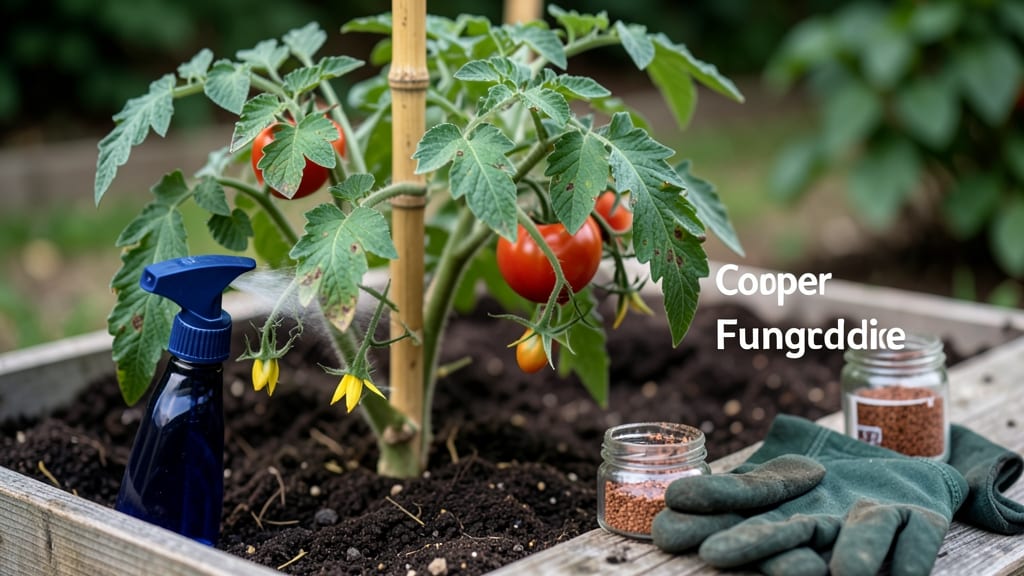
My tomato plants nearly died from blight last summer—until I discovered this antifungal for tomato plants transformed my garden from desperate to thriving. 🌱 This simple, organic shield stops fungal spores in their tracks before they spread, giving you back the harvest you planted for.
The key is timing, technique, and knowing when to pull out the big guns (or just a spray bottle).
Fungal diseases like early blight and late blight thrive in damp, crowded conditions—exactly what most gardeners accidentally create. The good news? Copper spray (or homemade alternatives) disrupts fungal growth without harming your plants or pollinators when used right.
Think of it as armor for your tomatoes: applied at the first sign of trouble, it creates a protective barrier that lasts through rain and heat.
You’ll see results within a week—fewer dark spots on leaves, slower spread of mildew, and plants that keep producing instead of wilting. The best part? It’s a fail-safe for organic gardeners who refuse to use harsh chemicals. Just mix, spray, and watch your tomatoes fight back against nature’s worst pests.
Works for greenhouse tomatoes, container gardens, or open fields—just adjust the spray frequency based on humidity. Here’s how to use it without burning your plants or wasting a drop.
Root Causes Of Fungal Attacks
Fungal infections in tomato plants aren’t random—they thrive when specific conditions align like a perfect storm. Understanding these triggers helps you prevent (not just treat) issues like early blight, late blight, powdery mildew, and root rot. Here’s why your tomatoes become a fungal buffet:
Fungi love moisture—think of them as aquatic invaders. When humidity hovers above 70% for prolonged periods, spores germinate and spread rapidly. Poor airflow (common in dense plantings or crowded greenhouses) traps moisture on leaves, creating a perfect breeding ground.
- Why it matters: Stagnant air slows evaporation, keeping leaves damp longer. Fungi like Phytophthora (cause of root rot) and Alternaria (early blight) exploit this.
- Actionable fix: Space plants 18–24 inches apart and prune lower leaves to improve circulation. Use oscillating fans in greenhouses to mimic wind.
Tomatoes need water, but excessive moisture—especially on leaves—is a fungal magnet. Overhead irrigation or watering late in the day leaves droplets that linger, inviting pathogens like Botrytis cinerea (gray mold) or Septoria lycopersici (leaf spot).
- Why it matters: Wet leaves create a film where fungal spores can swim and infect stomata (leaf pores). Root zones saturated with water also drown roots, stressing plants and weakening defenses.
- Actionable fix:
- Water deeply but infrequently (1–1.5 inches per week, adjusting for climate).
- Use drip irrigation or soaker hoses to avoid wetting foliage.
- Water early in the morning so leaves dry by evening.
Fungi are opportunists—they target plants already weakened by nutrient deficiencies, physical damage, or environmental stress. Think of it like a broken skin barrier: once compromised, infections take hold.
| Stress Type | Fungal Threat | Signs to Watch |
|---|---|---|
| Nitrogen deficiency | Early blight (Alternaria) | Yellowing lower leaves, brown concentric spots |
| Overcrowding | Powdery mildew (Oidium) | White, powdery patches on upper leaves |
| Cold soil or transplant shock | Root rot (Pythium) | Wilting despite moist soil, blackened roots |
Why it matters: Stressed plants produce less chlorophyll and weaker cell walls, making them easier targets. Fungi like Fusarium exploit these gaps to invade vascular tissue.
Actionable fix:
- Test soil pH (6.0–6.8 is ideal) and amend with compost or balanced fertilizer.
- Hardening off seedlings gradually before transplanting to avoid shock.
- Remove damaged leaves promptly to limit entry points.
Fungal spores are everywhere—in old mulch, garden tools, and even compost. If you’ve grown tomatoes (or nightshades like peppers/eggplants) in the same spot before, residual spores may still lurk, waiting for the right conditions to reactivate.
- Why it matters: Pathogens like Verticillium wilt can survive in soil for years. Tools like pruners or trellis supports can carry spores from infected plants to healthy ones.
- Actionable fix:
- Sterilize tools with 70% isopropyl alcohol or a 10% bleach solution between uses.
- Rotate crops: Avoid planting tomatoes in the same spot for 3–4 years.
- Use fresh, sterilized potting mix (or solarize soil in summer to kill pathogens).
Tomatoes thrive in warm, stable conditions (70–85°F). When temperatures plummet or spike, plants struggle to photosynthesize efficiently, leaving them vulnerable. Cool, damp mornings followed by hot afternoons? That’s a fungal party waiting to happen.
- Why it matters: Sudden temperature drops (below 60°F) weaken plant defenses, while high heat (>90°F) stresses foliage, creating entry points for late blight (Phytophthora infestans).
- Actionable fix:
- Use row covers for early-season protection against cold snaps.
- Mulch with straw or grass clippings to moderate soil temperature.
- Avoid planting in low-lying areas where cold air pools.
Pro Tip: 💡 Monitor weather forecasts and adjust watering schedules during predicted rain or humidity spikes. A hygrometer (humidity sensor) can help track risky conditions.
How to Treat Fungal Threats Naturally
Fungal infections like early blight, late blight, or powdery mildew can devastate your tomato plants—but the good news is, you don’t need harsh chemicals to fight back. With the right antifungal for tomato plants and proactive care, you can restore your garden’s health and keep your harvest thriving.
Below, we break down the most common causes and their practical, garden-proof solutions, plus prevention tips to stop future outbreaks.
---
Cause: Alternaria solani thrives in warm, humid conditions, often spreading from infected soil or plant debris.
How to Fix It: 1. 🔥 Remove Infected Leaves - Snip off yellowing or spotted leaves below the soil line (don’t compost them—toss in the trash). - Focus on lower leaves first, as they’re the most vulnerable.
2. 🍳 Apply Copper-Based Spray - Use a homemade copper fungicide (1 tsp copper sulfate + 1 gallon water + a drop of dish soap) or a store-bought organic spray like copper fungicide for tomatoes. - Spray early morning or late evening to avoid burning leaves in direct sunlight. - Reapply every 7–10 days or after rain.
3. 🌱 Improve Airflow & Spacing - Prune plants to open up the canopy, reducing humidity trapped among leaves. - Space tomatoes 18–24 inches apart to prevent overcrowding.
💡 Prevention Tip: - Rotate crops: Avoid planting tomatoes (or nightshades like peppers/eggplants) in the same spot for 3–4 years. - Solarize soil: Cover infected beds with clear plastic for 4–6 weeks in summer to kill fungal spores.
---
Cause: Phytophthora infestans—the same pathogen that caused the Irish potato famine—spreads rapidly in cool, wet weather.
How to Fix It: 1. 👨🍳 Act Fast with Baking Soda Spray - Mix 1 tbsp baking soda + 1 tsp dish soap + 1 gallon water (add a few drops of hydrogen peroxide for extra antifungal power). - Spray every 5–7 days until new growth appears.
2. ⏰ Remove & Destroy Infected Plants - Late blight spreads aggressively—pull and bag infected plants immediately to stop the cycle. - Avoid composting; use a sealed trash bag.
3. 🔪 Prune Aggressively - Cut off all infected stems and leaves, even if only a few spots appear. - Disinfect pruners with rubbing alcohol between cuts.
💡 Prevention Tip: - Use resistant varieties: Try ‘Mountain Merit’ or ‘Defiant PhR’—they’re bred to withstand late blight. - Mulch with straw: Keeps soil moist but improves drainage, reducing splash-up spores.
---
Cause: Erysiphe or Leveillula fungi love shady, humid conditions and weak plants.
How to Fix It: 1. 🥘 Neem Oil or Potassium Soap Spray - Neem oil (2 tsp + 1 quart water + ½ tsp soap) or potassium soap (1.5 tbsp/gal) smothers mildew. - Spray both sides of leaves and stems; repeat every 7–10 days.
2. 🌡️ Boost Plant Health - Fertilize lightly with compost tea or fish emulsion to strengthen defenses. - Avoid overhead watering—use a drip irrigation system instead.
3. ✨ Reflect Light with Aluminum Foil - Place crinkled foil strips around plants to increase sunlight exposure, which powdery mildew hates.
💡 Prevention Tip: - Space plants widely (at least 2 feet apart) for better airflow. - Plant companions: Interplant with marigolds, garlic, or basil—they repel fungal spores naturally.
---
Cause: Phytophthora or Fusarium fungi thrive in overwatered, compacted soil.
How to Fix It: 1. 🔪 Trim Damaged Stems - Cut off rotted stems 1–2 inches below the lesion with sterilized pruners. - Dip cuts in cinnamon powder (natural antifungal) to prevent spread.
2. 💧 Adjust Watering Habits - Water deeply but infrequently—tomatoes hate soggy roots. - Use raised beds or containers if your soil drains poorly.
3. 🌱 Amend Soil with Biochar or Perlite - Mix biochar or coarse sand into soil to improve drainage. - Avoid fresh manure—it can introduce more pathogens.
💡 Prevention Tip: - Test your soil: Aim for a pH of 6.0–6.8—fungi thrive in acidic soil. - Crop rotation: Never plant tomatoes in the same bed where root rot occurred last season.
--- - ⏰ Morning care routine: Remove wet leaves by 10 AM to reduce humidity. - 🌿 Companion planting: Grow thyme, oregano, or chives near tomatoes—their strong scents deter fungi. - 🌡️ Monitor weather: If forecast calls for rain + 70°F+ temps, preemptively spray with copper or neem oil.
By combining quick fixes with long-term prevention, your tomato plants will stay strong and fungus-free—so you can enjoy juicy, blemish-free tomatoes all season! 🍅💪
Frequently asked questions
Can I use vinegar as an antifungal for tomato plants?
White vinegar can help as a natural antifungal, but it’s best used as a soil drench (1 cup per gallon of water) rather than a foliar spray. The acidity disrupts fungal spores in the root zone. For leaves, mix 1 tablespoon baking soda + 1 teaspoon dish soap + 1 gallon water—it’s gentler and more effective. Always test on a small leaf first to avoid burns.
How often should I apply copper spray to prevent fungal diseases?
Apply copper-based sprays every 7–10 days during humid weather or after rain. For prevention, start spraying when tomato seedlings emerge and continue until 2 weeks before harvest (copper residue must clear before eating). Mix 1 teaspoon copper sulfate per gallon of water with a drop of dish soap as a surfactant. Stop applications 14 days before picking to meet organic safety standards.
What’s the difference between early blight and late blight in tomatoes?
Early blight (Alternaria solani) appears as brown concentric rings on lower leaves, while late blight (Phytophthora infestans) causes greasy, dark spots that spread rapidly in cool, wet weather. Early blight is less aggressive but reduces yield, while late blight can destroy plants in days. Use copper spray for early blight and baking soda + hydrogen peroxide for late blight.
Is it safe to use store-bought fungicides on tomato plants?
Yes, but choose organic-certified options like copper fungicide, neem oil, or potassium bicarbonate sprays for edible plants. Avoid synthetic fungicides like chlorothalonil (Daconil) if you’re growing organically—they leave residues. Always follow label instructions for application rates and harvest intervals. For containers, reduce dosage by half to prevent runoff.
Why does my tomato plant keep getting fungal infections even after treatment?
Persistent fungal issues often mean underlying conditions aren’t fixed. Check for overwatering, poor airflow, or stressed plants. Prune crowded foliage, improve drainage, and rotate crops. If spores remain in soil, solarize the bed (cover with clear plastic for 4–6 weeks) or use biofumigation with mustard seed meal. Fungi like humidity + weak plants—address both!