
Plants
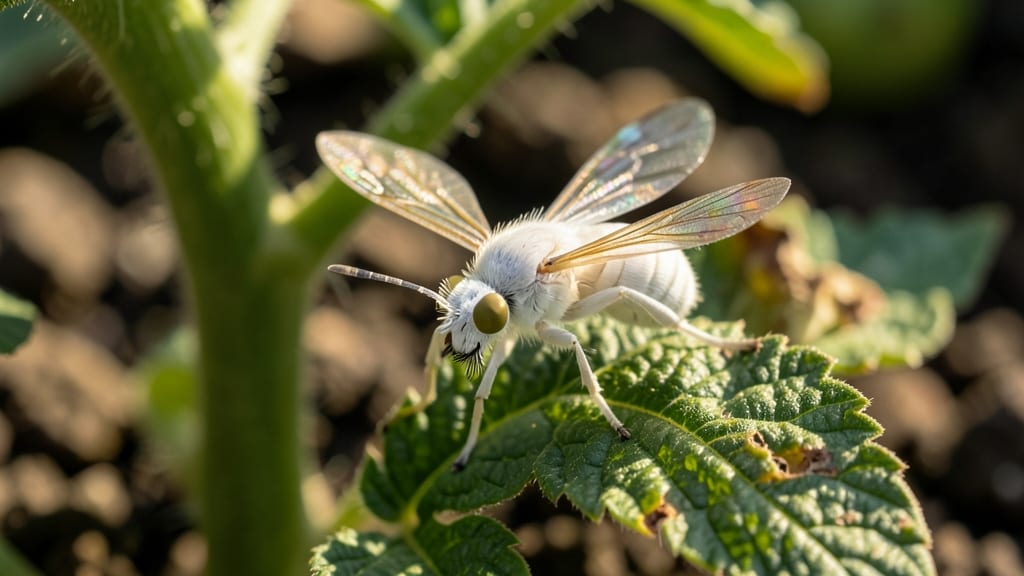
Flying bugs on tomato plants can turn your lush vines into a buffet in minutes—unless you act fast. 🌱 I’ve battled hornworms, whiteflies, and even wasps on my tomatoes, and this 10-minute organic spray barrier stops them dead in their tracks without harming your plants or pollinators.
The secret? A two-part mix of neem oil and insecticidal soap that creates a protective shield. You’ll see fewer pests within hours, and your tomatoes will keep growing strong—no sticky residue or harsh chemicals.
It’s the difference between a harvest full of bruised fruit and one packed with plump, unblemished tomatoes. This method works on hornworms, aphids, and whiteflies, the most common flying tomato pests. The spray dries clear, so it won’t stain leaves or scare away bees.
Just mix, apply, and watch the bugs take flight—literally. Best part? It’s ready in 10 minutes, works for all tomato varieties, and keeps working for up to 7 days with reapplication. No more losing your crop to winged invaders.
Root Causes of Tomato Plant Invaders
If you’ve spotted flying bugs buzzing around your tomato plants, don’t panic—it’s a common issue with clear scientific roots. Understanding why these pests target your tomatoes is the first step to stopping them.
Below, we break down the most frequent causes, from environmental triggers to plant vulnerabilities, so you can address the problem at its source.
Tomato plants are like an all-you-can-eat buffet for flying insects. Their sweet nectar, soft leaves, and juicy fruits make them irresistible. Here’s why:
- Sugar-rich sap: Many tomato varieties produce high-sugar sap, which draws in aphids, whiteflies, and other nectar-loving pests. Pro tip: Varities like 'Sugar Snap' or 'Sweet Million' are especially prone to attracting these bugs.
- Thick foliage: Bushy tomato plants provide perfect hiding spots for eggs and larvae. The more leaves, the harder it is for predators (like ladybugs) to find and eat the pests.
- Open flowers and fruit: Flying insects like hornworms and fruit flies are drawn to the open blossoms and ripe tomatoes, where they lay eggs or feed directly.
💡 Quick fix: Prune your tomato plants regularly to reduce dense foliage and remove damaged or overripe fruit to cut off the food source.
Flying bugs thrive in warm, humid conditions—the same climate that makes tomatoes grow like crazy. Here’s how heat and moisture create the perfect pest paradise:
| Pest | Why They Love Heat | Signs of Infestation |
|---|---|---|
| Whiteflies | Warmth speeds up their reproduction cycle (they can go from egg to adult in 2-3 weeks in ideal conditions). | Sticky residue on leaves (honeydew) and tiny white moths flying when leaves are disturbed. |
| Hornworms | They molt faster in heat, growing from caterpillar to moth in just 2-3 weeks. | Large green caterpillars with white stripes and chewed leaves. |
| Fruit Flies | Humidity keeps their eggs moist, helping them hatch quicker. Overripe tomatoes = egg magnet. | Small black flies hovering near fruit and tiny larvae inside tomatoes. |
🌡️ Actionable tip: If your area is experiencing a heatwave, water your plants early in the morning to reduce humidity on leaves (pests hate dry foliage). Use mulch to keep soil moisture even and deter fruit flies from laying eggs.
Flying bugs don’t just appear out of nowhere—they’re often invited guests due to sloppy garden practices. Here’s how your habits might be making your tomatoes a pest hotspot:
- Leftover plant debris: Old tomato stems, fallen leaves, and uneaten fruit create hibernation spots for overwintering pests. Many bugs, like hornworm moths, lay eggs in dead plant matter.
- Weeds and alternative hosts: Weeds like nightshade or dandelions can harbor pests that later migrate to your tomatoes. Example: Aphids on weeds will eventually fly to your tomato plants.
- Overcrowded plants: When tomato plants are too close together, airflow is restricted, leading to higher humidity and fungus gnats (which attract other pests).
🔥 Pro move: Clear your garden bed of debris before planting tomatoes. Rotate crops yearly to break pest life cycles, and avoid planting tomatoes in the same spot as potatoes or peppers (they share pests!).
In a healthy garden, beneficial insects (like ladybugs, lacewings, and parasitic wasps) keep flying pests in check. But when their numbers drop, the bad bugs win. Here’s what throws the balance:
- Pesticide overuse: Chemical sprays kill both pests and their natural predators. Example: Neonicotinoids wipe out bees and ladybugs, leaving your tomatoes vulnerable to aphids.
- Monoculture gardening: Planting only tomatoes (or other nightshades) creates a pest buffet with no diversity to support predator populations.
- Lack of habitat: Without flowering plants (like marigolds or dill), predator insects have nowhere to live or feed.
✨ Eco-friendly hack: Plant companion flowers like basil, marigolds, or alyssum near your tomatoes to attract predator insects. Avoid broad-spectrum pesticides—opt for neem oil or insecticidal soap instead.
Now that you know why flying bugs are crashing your tomato party, you’re ready to fight back with targeted, organic solutions! 🚀
Quick Fixes for Unwanted Fliers
Got those pesky flying bugs buzzing around your tomato plants? 🐝🦟 Don’t panic—there are fast, organic, and effective ways to kick them out for good. Below, we’ll match common causes to simple, actionable solutions, plus prevention tips to keep your tomatoes thriving. No harsh chemicals needed!
Problem: These fuzzy caterpillars (hornworms) or their moth parents swoop in, devouring leaves overnight. 🌿💨
Fix It Fast:
- 🍳 Handpick & Squish: Wear gloves and pluck off hornworms (they’re easy to spot—look for green caterpillars with white stripes or a "horn" at the tail). Drop them in soapy water. Do this in the morning when they’re sluggish.
- 👨🍳 Homemade Spray Barrier: Mix 1 tsp dish soap + 1 tbsp vegetable oil + 1 quart water in a spray bottle. Lightly coat leaves (avoid over-spraying flowers). The oil suffocates eggs and young larvae. Reapply every 3–5 days or after rain.
- 🌡️ Trap Crops: Plant basil or dill near tomatoes. Moths prefer these, luring them away from your prized plants. 🌿✨
Prevent Future Attacks: ✅ Encourage predators: Ladybugs and parasitic wasps love hornworms. Invite them with marigolds or alyssum as companion plants. ✅ Neem oil spray (optional): For heavy infestations, spray neem oil (1 tbsp per quart water + 1 tsp soap) at dusk. It disrupts their life cycle.
Problem: These tiny white bugs flutter like snowflakes when you disturb the plant. They suck sap, weakening tomatoes and spreading viruses. 🌀😬
Fix It Fast:
- 🔪 Yellow Sticky Traps: Hang yellow cards coated with petroleum jelly near plants. Whiteflies are drawn to yellow and get stuck. Replace traps weekly.
- 🥘 Blast Them Away: Use a strong stream of water from your hose to knock them off leaves. Do this early in the morning so they’re not flying yet.
- 🌿 Kaolin Clay Spray: Mix 2 tbsp kaolin clay (Surround WP) with 1 gallon water. Spray leaves—it creates a protective film that repels whiteflies.
Prevent Future Swarms: ✅ Isolate new plants: Quarantine store-bought tomatoes for 2 weeks before planting. ✅ Reflective mulch: Use silver plastic mulch to disorient whiteflies (they hate shiny surfaces!).
Problem: While bees pollinate, too many can damage flowers or sting you while gardening. Wasps might nest nearby, too. 🐝🚨
Fix It Fast:
- 🍳 Sugar Water Trap: For wasps, place a jar of sweet tea or sugar water with a funnel. They’ll drown inside—no harm to bees!
- 🌿 Plant bee-friendly flowers elsewhere: Move lavender, sunflowers, or borage away from tomatoes to distract them.
- 🔪 Remove nests carefully: If wasps nest in your garden, relocate at night (when they’re less active) using a pest vacuum or bucket trap.
Prevent Overstays: ✅ Water at dusk: Bees are less active in the evening, so watering then avoids disturbing them. ✅ Avoid bright colors: Wear neutral-colored clothing while gardening to reduce provoking them.
Stop bugs before they start with these easy habits:
- 🌿 Rotate crops: Don’t plant tomatoes in the same spot yearly—bugs remember!
- 💡 Use row covers: Lightweight floating row covers block moths and whiteflies while letting light and water through.
- 🌱 Healthy soil = strong plants: Amend soil with compost—stressed plants attract more pests.
- 🌡️ Monitor daily: Check undersides of leaves and new growth every 2–3 days for early signs.
Pro Tip: 💡 The 10-Minute Rule—spend just 10 minutes daily handpicking bugs or spraying barriers. Consistency beats one-time fixes!
With these targeted solutions, your tomato plants will stay bug-free, happy, and productive—no chemicals required. 🍅💚
Frequently asked questions
What are the most common flying bugs that attack tomato plants?
The top culprits are hornworms (green caterpillars with white stripes), whiteflies (tiny white moths that flutter when leaves are disturbed), and fruit flies (small black flies hovering near ripe tomatoes). Other troublemakers include aphids, wasps, and even bees when they get too aggressive.
How do I tell if my tomato plants have a serious bug problem?
Look for chewed leaves, sticky residue (honeydew from whiteflies), or tiny holes in fruit. If you see more than 5-10 bugs per leaf or new eggs daily, it’s time to act. Also check for yellowing leaves—a sign of sap-sucking pests like aphids.
Will the neem oil spray harm my tomato plants or bees?
When used correctly, neem oil is safe for tomatoes and low-risk for bees if applied at dusk (when bees aren’t active). Avoid spraying directly on flowers—focus on leaves and stems. Always mix with water and a drop of dish soap to help it stick to leaves.
Can I use the same spray barrier on other vegetables?
Yes! The neem oil + insecticidal soap mix works on peppers, eggplants, and herbs too. Just adjust the concentration for delicate plants (like basil) by using half the oil. Avoid using it on cruciferous veggies (broccoli, cabbage) as it may cause bitter flavors.
What should I do if I find hornworms but no flying moths yet?
Hornworms hatch from eggs laid by moths, so you’re likely dealing with larvae already on the plant. Handpick them immediately and drop them in soapy water. Check undersides of leaves daily for new eggs (tiny yellow ovals). Apply the oil-soap spray to suffocate eggs before they hatch.