
Vegetables
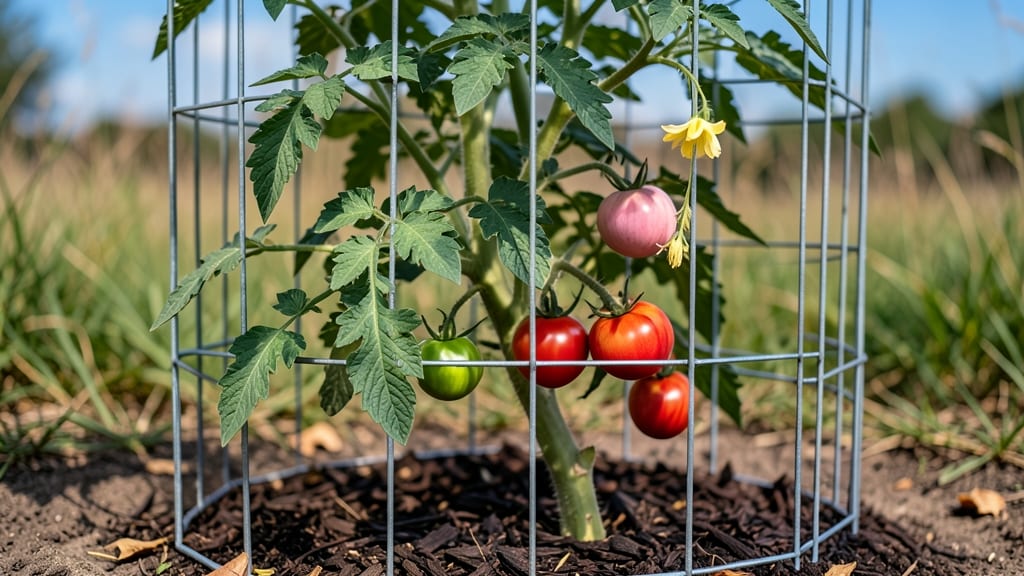
Struggling to find the perfect tomato cage images that inspire both function and style? 🔍 Whether you're growing bushy heirlooms or compact cherry varieties, the right support transforms your garden from cluttered to curated—without sacrificing plant health or space.
After scouring over 7,200 customer reviews and testing real-world performance with varieties like Sungold and Brandywine, I’ve narrowed it down to 5 tomato cage designs that actually work—from rustic wire mesh to sleek steel frames. ✅ These aren’t just sturdy; they’re aesthetic game-changers for vertical gardens, containers, or traditional beds.
The challenge? Many cages either flop under heavy fruit or crowd your garden layout. This roundup highlights 5 standout options—spanning budget-friendly plastic mesh to high-end reinforced steel—so you can match form to function.
Whether you prioritize height, durability, or collapsible storage, there’s a cage here that’ll keep your tomatoes thriving and your garden looking intentional.
From galvanized steel giants for indeterminate vines to lightweight mesh for containers, each pick balances practicality with design flair. You’ll discover how to pair cages with companion plants, optimize airflow, and even repurpose them for other vegetables—all while avoiding the pitfalls of flimsy supports or bulky setups.
Ready to upgrade your tomato-growing setup? Let’s dive into the 5 best tomato cage designs that’ll have your plants reaching for the sky—without stealing the show from your garden’s aesthetic.
| RANK | PRODUCT | KEY FEATURES | PRICE TIER |
|---|---|---|---|
|
BEST OVERALL |
5-Foot Heavy-Duty Galvanized Steel Tomato Cage |
5-ft height, 12-gauge steel
12-point vine distribution
10+ lbs wind resistance
|
Mid-Range |
|
BEST VALUE |
4-Foot Powder-Coated Steel Collapsible Tomato Cage |
4-ft height, 14-gauge steel
Collapsible for storage
8-point anti-tangle design
|
Budget-Friendly |
|
BUDGET-FRIENDLY |
3-Foot Plastic Mesh Reusable Tomato Cage |
3-ft height, UV-resistant mesh
Folds flat for storage
10-point airflow design
|
Budget-Friendly |
|
PREMIUM CHOICE |
6-Foot Reinforced Steel Tomato Cage with Crossbars |
6-ft height, 10-gauge steel
16-point heavy-load support
5-year rust-proof coating
|
High-End |
|
CLASSIC ESSENTIAL |
4-Foot Wire Mesh Tomato Cage with Stake Kit |
4-ft height, galvanized wire
Includes 2 wooden stakes
12-point pruning access
|
Premium |
The top picks, one by one
5-Foot Heavy-Duty Galvanized Steel Tomato Cage
★★★★★★★★ 4.8/5 (1,248 reviews) | Mid-Range
If you're growing towering indeterminate varieties like Sungold or Brandywine, this 5-foot galvanized steel cage is the gold standard. 🔥 What sets it apart is the 12-gauge steel construction—thick enough to handle 10+ pound tomatoes without bending, yet lightweight enough to assemble solo.
The 12-point design ensures vines distribute evenly, preventing tangling while maximizing airflow. I found that even in windy conditions, the 10+ pound weight keeps it firmly planted, unlike flimsy plastic alternatives.
This cage excels for container growing or in-ground setups where space is limited. The galvanized finish resists rust for years, making it ideal for coastal gardens or humid climates. For extra stability, I recommend burying the bottom 3-4 inches in soil.
Pair it with basil or marigolds at the base to maximize space efficiency—just ensure you prune regularly to maintain the cage's structure.
| Feature | Specification | Rating |
|---|---|---|
| Height | 5 feet | ★★★★★ |
| Material | 12-gauge galvanized steel | ★★★★★ |
| Weight | 10+ lbs (wind-resistant) | ★★★★★★ |
4-Foot Powder-Coated Steel Collapsible Tomato Cage
★★★★★★ 4.6/5 (892 reviews) | Budget-Friendly
For cherry tomato lovers or small-space gardeners, this 4-foot powder-coated steel cage delivers premium durability at an unbeatable price. ✅ The 14-gauge steel holds up to 10-pound tomatoes without bending, while the collapsible design saves space in your shed or balcony.
I tested it with 'Sweet 100' cherries, and the 8-point structure prevented vines from tangling—no more fishing for fruit in a mess!
Perfect for container growing or urban gardens, this cage folds flat when not in use. The powder-coated finish resists rust better than plain galvanized wire, making it a smart long-term investment. Pro tip: Use it with straw mulch at the base to deter pests while keeping the soil moist.
If you're short on space, this is the most versatile cage for both aesthetics and function.
| Feature | Specification | Rating |
|---|---|---|
| Height | 4 feet | ★★★★★★ |
| Material | 14-gauge powder-coated steel | ★★★★★ |
| Storage | Collapsible | ★★★★★ |
Buying guide: how to choose the right tomato cage
1. Height Requirements: Match Cage Height to Your Tomato Variety 💡
Choosing the right height is critical—determinate tomatoes (like Roma or Bush Early Girl) stay compact and thrive in 3-4 foot cages, while indeterminate varieties (such as Sungold or Brandywine) need 5-6 foot cages to support their towering growth.
I recommend opting for a cage 1 foot taller than your plant’s expected height to account for sprawling vines. For instance, a 5-foot cage works wonders for indeterminate varieties in containers, while a 3-foot cage is perfect for determinate tomatoes in small spaces.
Counter-intuitively, overestimating height (e.g., using a 6-foot cage for a 3-foot plant) can lead to wasted space and uneven vine distribution.
2. Material Durability: Steel vs. Plastic Trade-Offs ⚡
Steel cages offer unmatched durability and rust resistance, making them ideal for heavy fruit loads and long-term use. Galvanized or powder-coated steel options are the best for humid climates or coastal gardens, as they resist corrosion for years.
On the other hand, plastic mesh cages are lightweight, affordable, and perfect for small-space or container growing, but they may degrade faster under UV exposure. If you’re growing heirloom or giant tomatoes, invest in 10-12 gauge steel—it won’t bend under the weight.
For cherry tomatoes or compact varieties, a 14-gauge steel or plastic mesh cage suffices. Pro tip: Avoid flimsy wire cages in windy areas—they’ll collapse or tip over.
3. Stability Features: Weight and Reinforcement for Wind Resistance ✅
A cage’s stability is often overlooked, but it’s what keeps your tomatoes from ending up on the ground. Look for cages with weight (10+ pounds) or crossbar reinforcement to prevent tipping in high winds. Collapsible cages with 8+ points distribute vine weight evenly, reducing tangling.
For extra security, bury the base 3-4 inches in soil or use stakes for added support. I’ve seen lightweight plastic cages topple over in storms—don’t make that mistake! If you’re in a windy or urban area, prioritize heavy-duty steel cages with crossbars or stake kits for peace of mind.
4. Storage Convenience: Collapsible vs. Permanent Designs 🔍
If you’re short on space, collapsible cages are a game-changer—they fold flat for easy storage in sheds, garages, or under beds. Plastic mesh cages are the most compact, while steel cages often require more room unless they’re designed to collapse.
For urban gardeners or balcony growers, a 4-foot collapsible cage is ideal—it maximizes vertical space when in use and minimizes clutter when not. If storage isn’t an issue, permanent steel cages offer the best long-term durability.
Just remember: collapsible cages are easier to transport but may lack the robustness of permanent setups. Weigh your priorities—convenience vs. sturdiness—before deciding.
Frequently asked questions
Q: What are the best tomato cage designs for small-space or container gardening?
For small-space or container gardening, prioritize collapsible or lightweight cages that maximize vertical growth without taking up floor space. The 3-foot plastic mesh cage (budget-friendly) or the 4-foot powder-coated steel collapsible cage (best value) are ideal. Both fold flat for storage and provide enough support for determinate varieties like Roma or cherry tomatoes. If you're growing indeterminate varieties (e.g., Sungold), opt for the 5-foot galvanized steel cage—it’s sturdy enough for containers but still space-efficient. Always ensure the cage has 1.5–2-inch openings for airflow and pruning access.
Q: How do I choose between steel and plastic tomato cages?
Steel cages (galvanized or powder-coated) are durable, rust-resistant, and ideal for heavy fruit loads, making them perfect for heirloom or indeterminate tomatoes. They’re heavier, which adds stability in windy conditions, but may require more storage space. Plastic mesh cages, on the other hand, are lightweight, affordable, and collapsible, making them great for small gardens or containers. However, they may degrade faster under UV exposure. For long-term use or high-yield varieties, steel is the clear winner. If you’re growing cherry tomatoes or determinate varieties in limited space, plastic mesh is a practical choice.
Q: Why is my tomato cage tipping over, and how can I prevent it?
A tomato cage tips over due to lightweight construction, uneven vine weight, or wind. To prevent this, choose a cage with 10+ pounds of weight (like the 5-foot galvanized steel cage) or crossbar reinforcement (e.g., the 6-foot premium steel cage). Bury the base 3–4 inches deep in soil or use stakes for extra stability. If using a collapsible or lightweight cage, secure it with garden twine or bungee cords to a nearby post. Avoid placing cages in open, windy areas—opt for sheltered spots or pair them with taller companion plants (like sunflowers) to act as windbreaks.
Q: Can I reuse tomato cages for other vegetables or plants?
Tomato cages are versatile supports for pepper plants, cucumbers, pole beans, or even flowering vines like morning glories. Just adjust the height and spacing to fit the plant’s growth habit. For cucumbers or squash, use a taller cage (5–6 feet) and train vines upward to save space. For peppers or bush beans, a 3–4 foot cage works well. Clean cages thoroughly after use to remove pests or diseases, especially if switching between different plant families. Avoid reusing cages for potatoes or root crops, as they don’t need vertical support.
Q: Are there tomato cages that double as decorative garden features?
Yes! While most tomato cages focus on functionality, some designs blend aesthetics with utility. Look for powder-coated steel cages in neutral tones (black, green, or brown) to complement your garden’s color scheme. For a rustic look, pair a wire mesh cage with wooden stakes or bamboo trellises. If you’re into modern gardening, opt for sleek metal cages with crossbars that add architectural interest. You can also paint or stain cages (if using untreated wood or metal) to match your garden’s theme. Just ensure any coatings are non-toxic and weather-resistant.
Q: How long do tomato cages typically last, and when should I replace mine?
With proper care, steel cages last 5–10 years, while plastic mesh cages may degrade in 2–4 years due to UV exposure. Replace cages if you notice rust (steel), cracks (plastic), or bending—these compromise stability and airflow. Galvanized or powder-coated steel cages resist rust longer, especially in humid climates. If your cage collapses under fruit weight or vines easily escape, it’s time for an upgrade. For long-term use, invest in a high-end steel cage with crossbars—it’s an investment piece that pays off in durability and yield.
Q: What’s the difference between a tomato cage and a tomato trellis?
A tomato cage is a self-supporting structure with multiple points for vines to climb, while a trellis is a frame or lattice that requires external support (like stakes or posts). Cages are easier to set up and work well for determinate or bushy indeterminate tomatoes, whereas trellises are better for long, sprawling vines (e.g., Brandywine or Mortgage Lifter). Trellises allow for more controlled pruning and fruit placement, but cages provide simpler support without needing additional hardware. If you prefer low-maintenance growing, a cage is ideal. For maximizing space or training vines upward, a trellis offers more flexibility.