
Vegetables
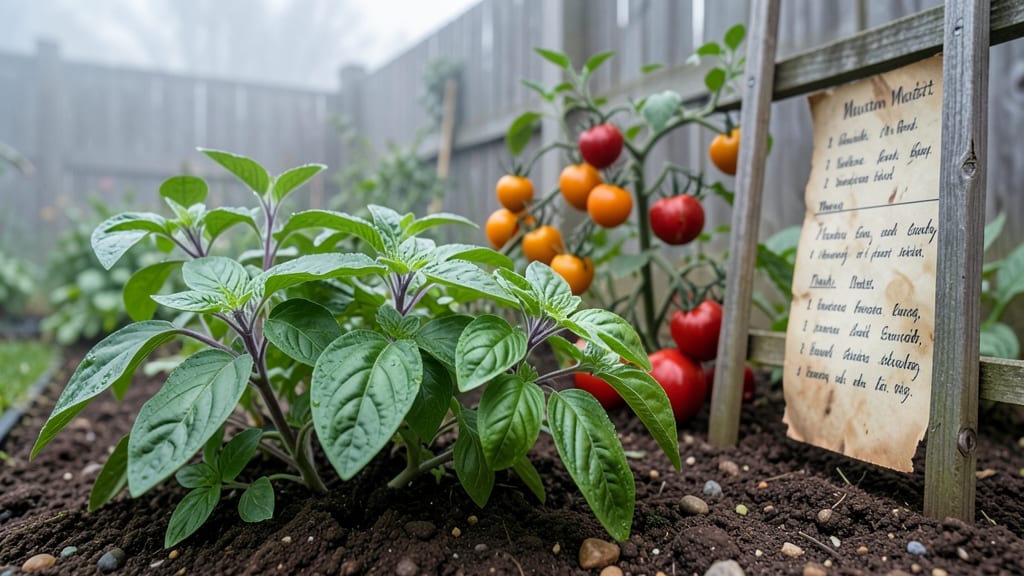
Transform your tomato and basil harvests with these year-round growing hacks. Whether you're a balcony gardener or have a sprawling backyard, these expert techniques maximize flavor, yield, and plant health—no matter the season.
Indoor Grow Lights for Winter Basil
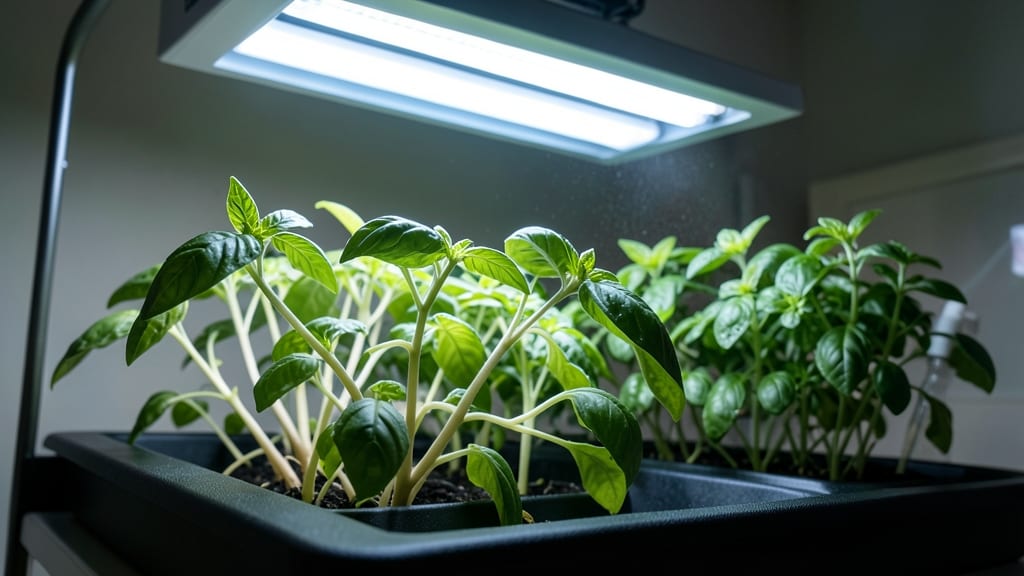
Winter’s short days can turn your basil into a leggy, flavorless shadow of its summer self—but full-spectrum LED grow lights are the secret weapon to keeping it thriving indoors. These lights replicate sunlight’s spectrum, giving your basil the energy it needs to produce those aromatic essential oils that make pesto irresistible.
Position lights 6 inches above the plant and run them for 12-16 hours daily to mimic daylight. Opt for cool-white or blue-spectrum LEDs (2700K-6500K) to prevent stretching while boosting chlorophyll production. A dimmable setup lets you adjust intensity as your basil grows, ensuring compact, bushy plants packed with flavor.
This hack is a game-changer for urban gardeners, apartment dwellers, or anyone craving fresh basil year-round. With the right light, you’ll enjoy pesto-worthy leaves even in the dead of winter. ✨
Vertical Tomato Tower for Small Spaces
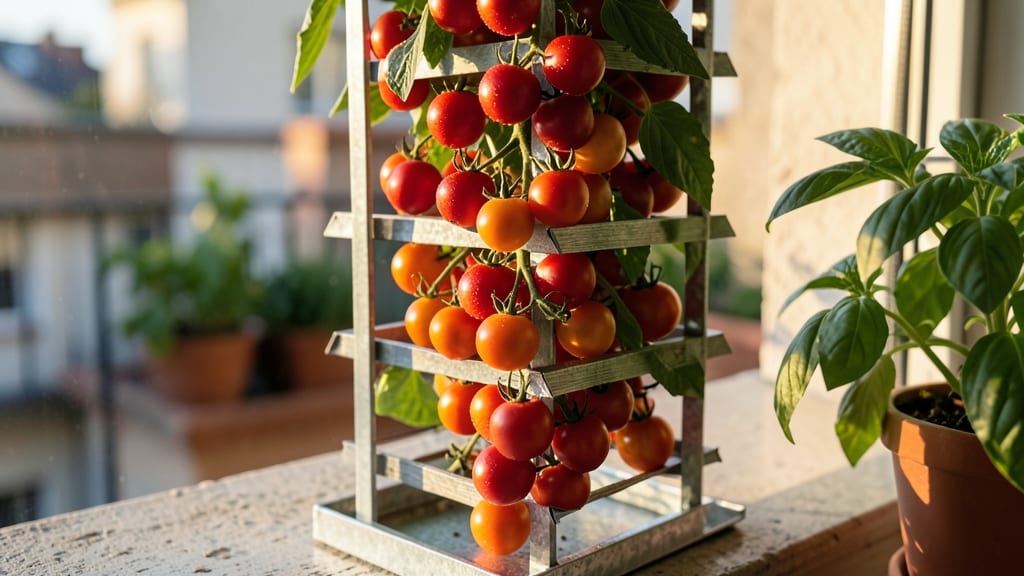
Turn your tiny balcony or windowsill into a high-yield tomato powerhouse with a vertical tomato tower—the secret weapon for urban gardeners. These space-saving trellises let cherry tomatoes cascade downward while keeping foliage off the ground, cutting disease risk by up to 40%. No sprawling vines, just compact growth and easy harvesting.
Choose a freestanding metal or fabric tower (3–4 feet tall) and plant determinate cherry tomato varieties like 'Sweet 100' or 'Tiny Tim'—they thrive in tight spaces and produce year-round with proper care. Pair them with basil in hanging pots nearby to maximize companion benefits: the basil deters pests while the tomatoes’ shade keeps its leaves tender. Water from the top to ensure even moisture, and prune suckers regularly to focus energy on fruit production.
This hack is a game-changer for renters, small-space gardeners, and anyone tired of sacrificing yield for aesthetics. With minimal footprint and maximum output, you’ll enjoy fresh tomatoes in salads or sauces without sacrificing your patio space. 🌻
Companion Planting with Marigolds
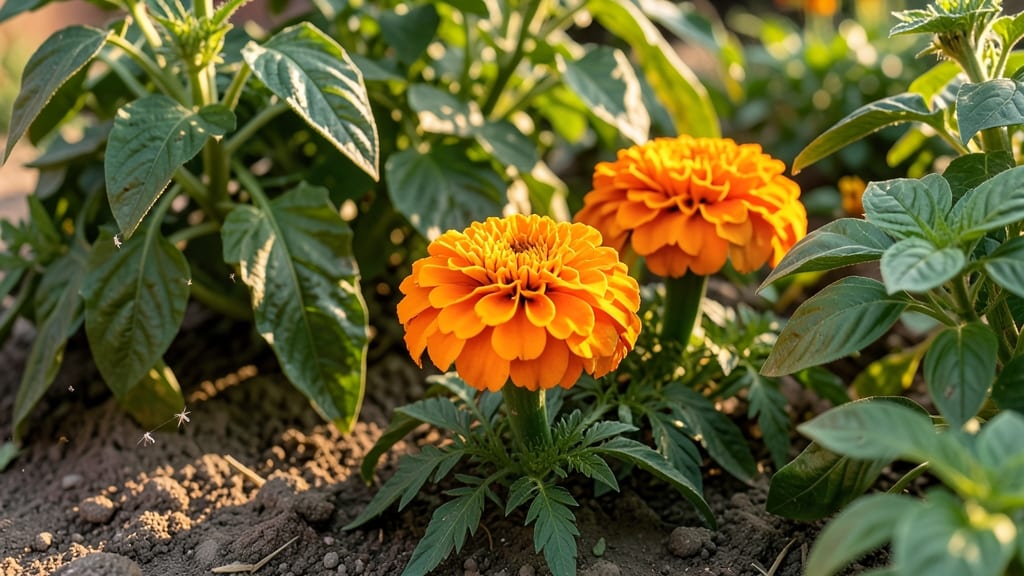
Want to protect your tomato and basil plants from pests without resorting to chemicals? Marigolds are your secret weapon—these bright orange blooms release natural compounds that repel aphids and whiteflies, two common pests that can devastate your garden.
Plant French marigolds (the best variety for pest control) around the perimeter of your tomato and basil beds or intersperse them every 18 inches. The strong scent of their foliage confuses pests and masks the aroma of your prized plants. Bonus: marigolds also attract beneficial insects like ladybugs, which further protect your garden. For maximum effect, replant marigolds every 4-6 weeks to maintain their pest-deterring power.
This low-maintenance strategy is perfect for beginners and urban gardeners alike, offering chemical-free protection that keeps your tomato and basil thriving all season. 🌻
Self-Watering Containers for Consistent Moisture
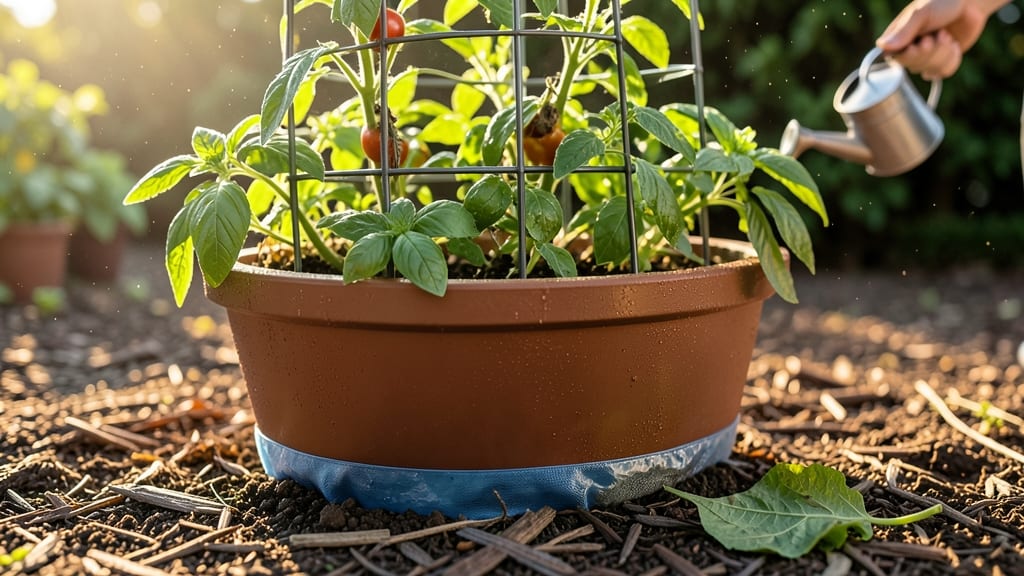
Summer heat can turn your tomato and basil plants into thirsty, wilted messes—unless you use self-watering containers. These clever systems use wicking materials to deliver moisture directly to roots, keeping plants hydrated for days without the guesswork of manual watering.
Look for containers with a reservoir at the base and a wicking mat or fabric that draws water upward as needed. For tomatoes, pair them with a 5-gallon container to support their heavy vines, while basil thrives in smaller 1-gallon pots**. Refill the reservoir every 2-3 days during heatwaves, and you’ll avoid cracked fruits and drooping leaves while saving time.
Perfect for balcony gardeners or anyone who’s tired of watering twice daily, these containers are a game-changer for maintaining lush, productive plants—even when you’re swamped. 💚
Pruning Techniques for Bushier Basil
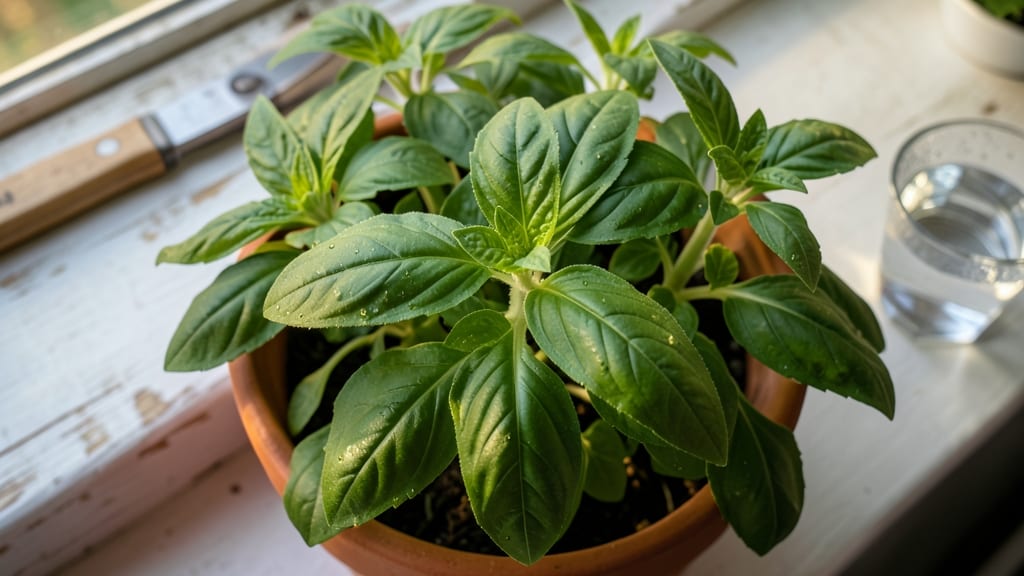
Want a basil plant that stays lush and productive instead of bolting into flower? The secret is pruning by pinching—a simple technique that redirects energy into leaf growth rather than seed production. This method works especially well for Genovese or Sweet Basil, keeping them sweet and tender for months.
Start pinching when your basil reaches about 6 inches tall, using your fingers or clean scissors to snip just above a leaf node. Remove the top set of leaves to encourage branching, and repeat every 2–3 weeks during the growing season. Avoid cutting more than one-third of the plant at once to prevent stress. This hack also delays flowering, which means more flavorful leaves for your tomato-basil dishes.
Perfect for container gardeners or those with limited space, this technique transforms leggy plants into dense, bushy bushes. Try it this week for a harvest that lasts all season! 🌱
Heirloom Tomato Varieties for Long Seasons
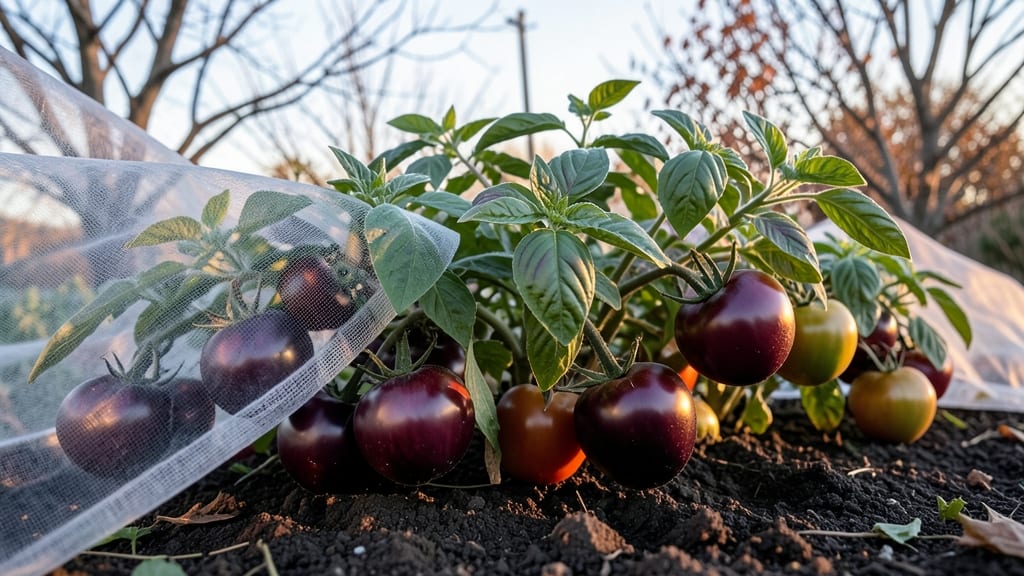
Tired of summer being the only time you can enjoy homegrown tomatoes? Cold-hardy heirloom varieties like 'Siberian' and 'Cherokee Purple' defy traditional growing seasons, thriving well into fall—and even winter—with simple row covers. These varieties pack a flavor punch while resisting common diseases that plague store-bought tomatoes.
Start by planting these disease-resistant seeds 4-6 weeks before your last frost date. Once temperatures dip below 50°F, use lightweight row covers to trap warmth and protect blossoms. Varieties like 'Siberian' produce sweet, beefsteak tomatoes even in cooler weather, while 'Cherokee Purple' delivers rich, smoky flavors. For extra protection, add mulch to insulate roots and extend the harvest window.
Perfect for gardeners in cooler climates or those who want to enjoy fresh tomatoes year-round, these varieties turn late-season growing into a rewarding experience. 🌟
DIY Basil Pesto Preservation Method
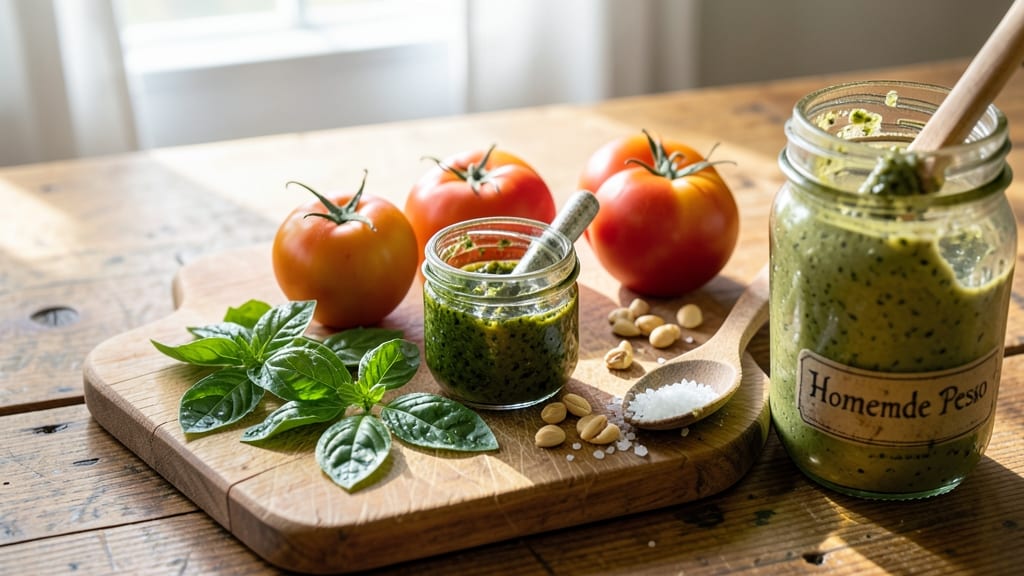
Summer’s basil harvest doesn’t have to disappear once the season ends—this DIY pesto preservation method keeps the flavor fresh for months. Skip the store-bought jars and preserve your hard-earned bounty with simple, effective techniques that lock in that garden-fresh taste.
For short-term storage, freeze freshly made pesto in ice cube trays—just pop out a cube whenever you need a burst of flavor for pasta or sandwiches. For longer preservation, blend your pesto with a little extra olive oil (about 1 tablespoon per cup of pesto) before freezing in airtight containers. The oil acts as a natural preservative, shielding the herbs from freezer burn and maintaining their vibrant green color.
This method is perfect for home gardeners who want to enjoy their basil’s peak flavor year-round without sacrificing quality. No fancy equipment needed—just a blender, freezer space, and a little patience. 🌿
Mulching with Straw for Soil Health
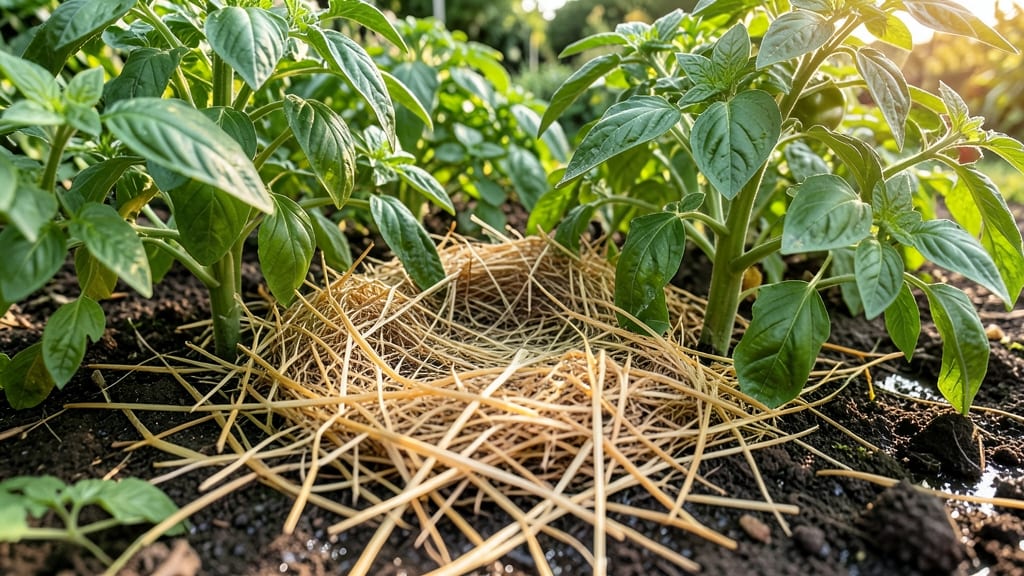
Tired of watering your tomato and basil plants every other day? A 2-3 inch layer of straw mulch around their base can cut evaporation by up to 50%, keeping roots consistently moist while reducing your workload. Unlike synthetic mulches, straw breaks down slowly, improving soil structure over time.
This natural mulch also acts like a thermostat for your plants—keeping roots cool in scorching summer afternoons and insulated during chilly nights, which is especially helpful for heat-sensitive basil and tomatoes prone to blossom-end rot. Plus, the straw smothers weeds, saving you hours of hand-pulling while adding organic matter to the soil as it decomposes.
Best for gardeners who want low-maintenance, eco-friendly solutions, straw mulch is perfect for both in-ground beds and container gardens. Just avoid hay (which can harbor weed seeds) and apply fresh straw every spring and fall for year-round benefits. 🌱
Hydroponic Basil for Fast Growth
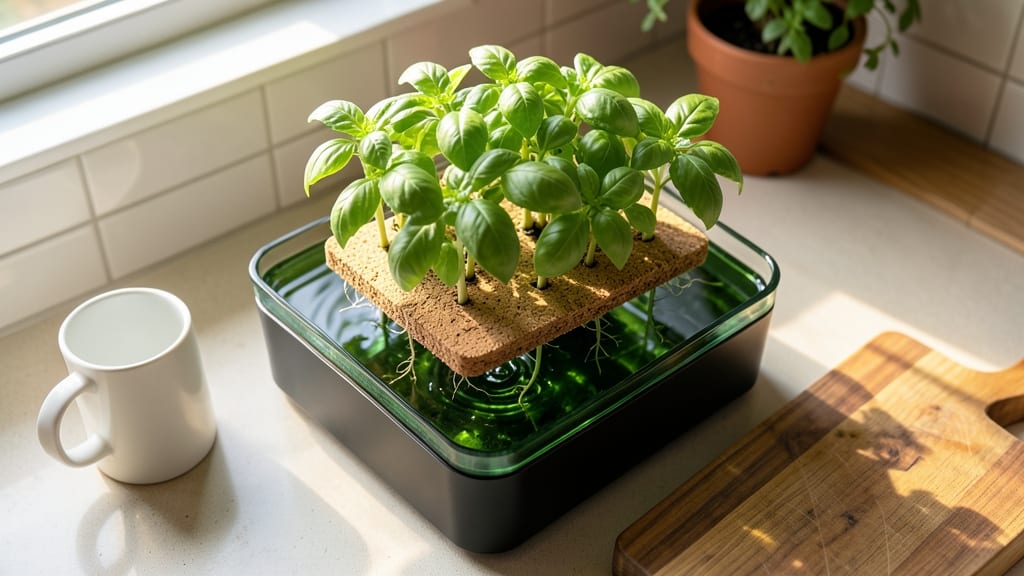
No garden space? No problem. Hydroponic basil grows three times faster than traditional soil methods, delivering fresh leaves in just 3-4 weeks—perfect for urban apartments or kitchen counters where space is limited.
This system uses nutrient-rich water instead of soil, eliminating weeds, pests, and soil-borne diseases. Start with a simple 5-gallon bucket setup—add a net pot, hydroponic clay pebbles, and a pH-balanced nutrient solution (like 5-5-5 NPK). Place under a grow light for 12-16 hours daily, and harvest leaves as needed without stunting growth.
Ideal for renters or small-space gardeners, hydroponic basil thrives year-round with minimal maintenance—just top off the water weekly. 💚
Seasonal Succession Planting Guide

Tired of summer-only harvests? Seasonal succession planting keeps your tomato and basil beds producing fresh flavors month after month—even in winter with the right varieties.
Start by planting heat-loving tomatoes (like 'Sungold' or 'Early Girl') in spring, then transition to cooler-season varieties (such as 'Siberian' or 'Stupice') by late summer. For basil, swap out sweet varieties (Genovese) in summer for cold-hardy types (like 'Spicy Globe') in fall. Rotate crops every 2–3 months to prevent soil-borne diseases and pests from building up, while keeping your garden productive year-round.
This method is perfect for gardeners with limited space—ideal for containers or small plots—ensuring you never run out of fresh ingredients for your favorite dishes. 🌱