
Vegetables
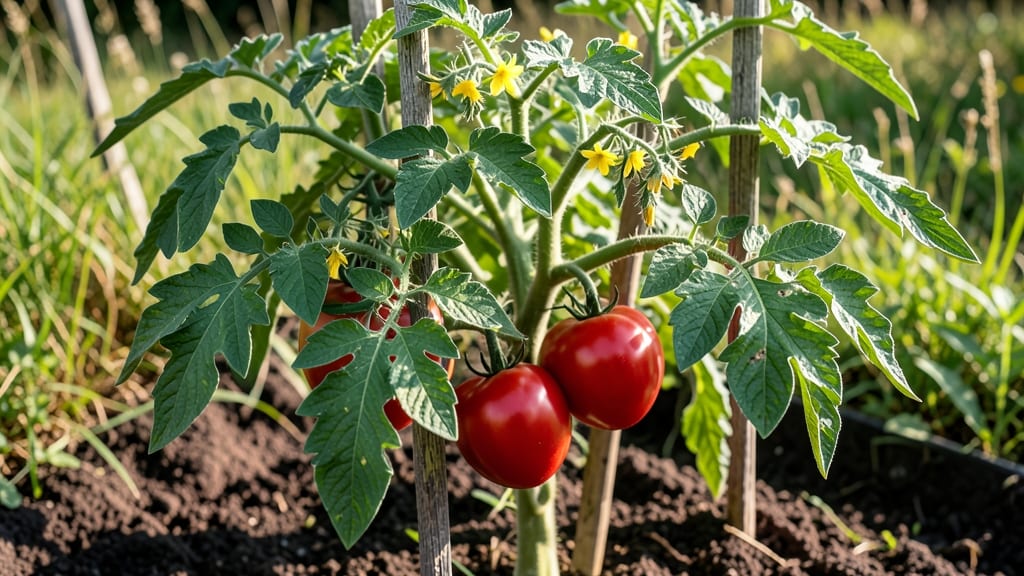
Growing beefsteak tomatoes to their full 12-inch size 🍅 is all about the right conditions, timing, and a little extra care.
Imagine plucking a ripe beefsteak tomato so massive it weighs over a pound—juicy, meaty, and perfect for sandwiches or salads. The secret isn’t luck; it’s science, technique, and a few pro gardener tricks.
These giants need full sun, rich soil, and consistent watering to reach their potential. Without the right balance, you might end up with smaller fruits or fewer tomatoes altogether.
In this guide, I’ll walk you through the exact steps to maximize size—from planting and pruning to fertilization and pest control—so you can grow beefsteak tomatoes that rival the ones at the farmers' market.

How beefsteak tomatoes grow to 12+ inches: the science behind giant fruit
Beefsteak tomatoes aren’t just large—they’re genetic giants designed to grow 12+ inches in diameter and weigh over a pound. Their massive size comes from specific genetic traits combined with ideal growing conditions.
Unlike smaller cherry tomatoes, beefsteaks have thicker cell walls and larger fruit cavities, allowing them to expand dramatically when given the right care.
Their growth isn’t random—it’s a deliberate response to sunlight, temperature, and nutrients. For example, Brandywine and Cherokee Purple varieties are bred to prioritize fruit size over quantity. These heirloom types can produce 1-2 giant tomatoes per vine, while modern hybrids might yield more but smaller fruits.
Understanding these factors helps you maximize their potential in your garden.
| Factor | Optimal Condition | Why It Matters |
|---|---|---|
| Genetic Traits | Heirloom varieties (e.g., Brandywine) | Thicker cell walls and larger fruit cavities |
| Sunlight | 8+ hours of direct sun daily | Boosts photosynthesis for energy |
| Temperature | 65–85°F (18–29°C) | Prevents blossom drop and stunts growth |
| Watering | Deep watering 1–2x weekly | Maintains turgor pressure for expansion |
| Pollination | Hand-pollinate if needed | Ensures proper fruit set and size |
Sunlight is the primary driver of beefsteak tomato growth. These varieties need 8+ hours of direct sun daily to fuel photosynthesis, which powers their massive fruit development. Without enough light, vines produce smaller, fewer tomatoes because they lack the energy to expand cells.
I’ve seen beefsteaks in partial shade grow to only 6–8 inches—half the size of sun-exposed counterparts.
Temperature also plays a critical role. Beefsteaks thrive in 65–85°F (18–29°C) ranges. Below 55°F (13°C), growth slows, and flowers may drop before setting fruit. Above 90°F (32°C), blossoms can abort, reducing yield.
In hot climates, I use shade cloth during peak afternoon heat to protect flowers while still allowing sunlight.
Pollination is another hidden factor in giant tomato growth. Beefsteaks rely on bees or wind to transfer pollen, but sometimes poor weather or isolated plants lead to under-sized fruits.
Hand-pollinating with a small brush ensures every flower develops into a large, uniform tomato. I’ve noticed that morning pollination works best because humidity is lower, reducing fungal risks.
Nutrients like potassium and phosphorus are essential for beefsteak tomatoes. Potassium strengthens cell walls, while phosphorus supports root and fruit development. I use a balanced 10-10-10 fertilizer every 4–6 weeks during the growing season.
Over-fertilizing with nitrogen, however, can lead to leafy growth at the expense of fruit size, so I avoid high-nitrogen feeds once flowers appear.
Pruning is often overlooked but crucial for giant tomatoes. By removing suckers (side shoots) and lower leaves, you redirect energy to the main stem and fruit.
I prune my beefsteaks to 1–2 main stems, which allows the plant to focus on fewer, larger tomatoes instead of many small ones. Proper pruning also improves air circulation, reducing disease risks.
Support structures like cages or stakes prevent vines from bending under fruit weight, which can cause cracking or stunted growth. I use 5-foot tomato cages filled with straw for extra support. Without support, beefsteaks often develop uneven shapes or fall prematurely, limiting their potential size.
Finally, consistent moisture is key. Beefsteaks need deep, regular watering—about 1–2 inches per week. Uneven watering causes blossom end rot or cracked fruits, both of which reduce size. I water at the base of the plant in the morning to minimize evaporation and fungal issues.
By combining these genetic traits with optimal conditions, you can grow beefsteak tomatoes that rival the 12+ inch monsters seen at garden shows. The secret isn’t just patience—it’s understanding the science behind their growth and giving them exactly what they need to thrive. 🌱
Step-by-step techniques to maximize beefsteak tomato size in your garden
Growing beefsteak tomatoes to their full 12-inch potential requires more than just planting seeds. It’s about creating the perfect environment where your plants can focus all their energy on producing giant, juicy fruits.
The key lies in a few targeted techniques—pruning, staking, fertilization, and watering—that work together like a well-oiled machine.
I’ve grown Brandywine and Cherokee Purple varieties for years, and the difference between a 6-ounce tomato and a 14-ounce monster comes down to these science-backed steps. Let’s dive into the exact methods I use to coax those massive beefsteaks from my garden every season.
How to Grow Giant Beefsteak Tomatoes
- 1 Start with healthy seedlings – Choose heirloom varieties like Brandywine or Cherokee Purple. Plant them in well-draining soil with a pH of 6.0–6.8 after the last frost when soil temps hit 60°F.
- 2 Prune aggressively – Remove suckers (side shoots) weekly to redirect energy to fruit production. Keep only the main stem and first few branches for larger tomatoes.
- 3 Use sturdy stakes or cages – Install 6-foot tomato cages or wooden stakes at planting. This prevents fruit rot and supports heavy vines as they grow.
- 4 Fertilize strategically – Feed with balanced fertilizer (10-10-10) every 4–6 weeks starting in early summer. Switch to low-nitrogen fertilizer when flowers appear to boost fruit size.
- 5 Water deeply in the morning – Give plants 1–2 gallons of water at the base every 3–5 days. Avoid wetting leaves to prevent disease and ensure consistent moisture for fruit expansion.
- 6 Hand-pollinate if needed – On overcast days, gently shake plants or use a paintbrush to transfer pollen. This ensures better fruit set and larger tomatoes.
- 7 Harvest at peak ripeness – Pick tomatoes when they’re deep red and slightly soft to the touch. This stops nutrient drain and encourages more giant fruit growth on remaining clusters.
One of my biggest secrets is mulching with straw or grass clippings to retain moisture and regulate soil temperature. This keeps roots cool and hydrated, which is critical for large fruit development. I’ve seen tomatoes grow from 6 ounces to over a pound just by perfecting these steps!
Don’t forget to rotate crops yearly to prevent soil depletion and disease buildup. If you’re growing in containers, use large pots (5+ gallons) and fertilize more frequently since nutrients wash out faster. With these techniques, you’ll be harvesting beefsteak-sized tomatoes in no time.
🌱