
Vegetables
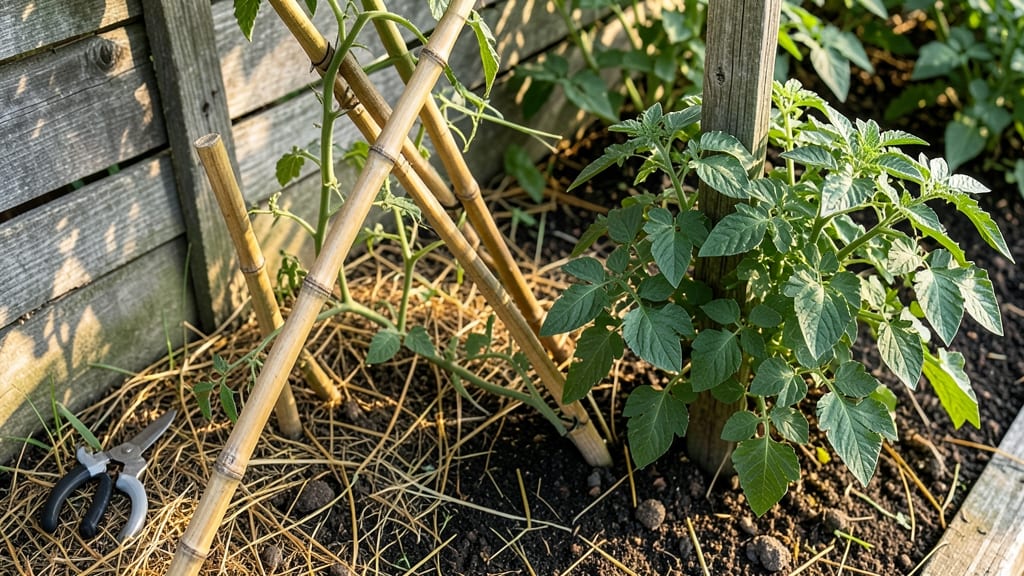
Choosing between super fantastic tomato determinate or indeterminate varieties changes everything about your harvest. 🌱 Determinate types grow in compact bushes and produce all their fruit at once, while indeterminate varieties climb like vines, fruiting all season long.
This simple distinction affects how you stake, prune, and even eat your tomatoes. Determinate tomatoes like 'Roma' or 'Celebrity' are perfect for sauces and canning because their heavy fruit sets ripen together. Indeterminate types such as 'Sungold' or 'Better Boy' stretch toward the sky, delivering continuous harvests all summer.
Your garden space and goals will decide which you grow. With determinate varieties, you'll get a heavy yield in 6-8 weeks—ideal for preserving. Indeterminate plants keep producing until frost, but need strong support.
Both types thrive with consistent water and rich soil, though indeterminates benefit from pruning to focus energy upward. The real magic happens when you match the variety to your needs: determinate for quick harvests, indeterminate for endless summer snacks. Either way, your tomatoes will taste like sunshine.
Ready to pick your perfect plant?
📚 In This Guide
- What you need
- Instructions
- Tips and common mistakes
- Wrapping up and next steps
What you need
- ● Tomato Seeds or Seedlings: Choose determinate (e.g., 'Roma', 'Celebrity') or indeterminate (e.g., 'Sungold', 'Better Boy') varieties based on your space and goals.
- ● Quantity: 4–6 plants per person (or 10–12 for canning/sauces).
- ● Growing Containers or Garden Bed: For determinate: 1–2 ft deep, 18" diameter pots or in-ground plots.
- ● For indeterminate: 5–6 ft tall cages/trellises + 18–24" deep containers (or deep garden beds).
- ● High-Quality Potting Mix: 10–20 lbs (sterilized, peat-free, with compost).
- ● Fertilizer: Balanced (10-10-10) or tomato-specific fertilizer (e.g., Espoma Tomato-Tone).
- ● Slow-release granules or liquid feed (follow package rates).
- ○ Support Structures: Determinate: Optional stakes (5–6 ft tall) or cages (2–3 ft).
- ● Indeterminate: Mandatory trellis/cage (6–8 ft tall) or sturdy bamboo stakes.
- ● Mulch: Straw, grass clippings, or shredded leaves (2–3 inches).
- ● Pruning Shears: Sharp, clean pair for trimming suckers (indeterminate only).
- ● Watering Can or Drip Irrigation: Consistent moisture is key!
- ● Soil pH Test Kit (ideal range: 6.0–6.8).
- ● Compost Tea or Mycorrhizal Fungi for nutrient boost.
- ● Row Covers (floating fabric) for early-season protection.
- ● Tomato Clips or Twine for securing vines to trellises.
- ● Harvest Basket (because fresh tomatoes are life-changing 🍅🔥).
How to choose and grow the perfect tomato variety
Here's how to pick between determinate and indeterminate tomatoes—and grow them to perfection.
🌱 Step 1: Understand Determinate vs Indeterminate Growth Habits
Determinate tomatoes grow in compact bushes, producing fruit all at once over 2-3 weeks. They're ideal for canning or sauces because of their synchronized harvest. Varieties like 'Roma' or 'Celebrity' thrive in this pattern, reaching 3-5 feet tall and stopping growth after flowering. Indeterminate types, like 'Sungold' or 'Better Boy,' keep growing until frost, producing fruit continuously all season. They need 6-10+ feet of support and may bear pounds of tomatoes if given proper care.
Here's the thing—determinate plants are easier for beginners because they're self-contained. Indeterminate varieties reward patience with a longer harvest but require more space and staking. I always plant both in my garden: determinate for early sauces and indeterminate for fresh eating all summer.
☀️ Step 2: Match Variety to Your Growing Conditions
Determinate tomatoes excel in short-season climates or containers because they mature quickly. They tolerate cooler temperatures better than indeterminate types and often ripen fruit before heat stress sets in. Look for early-maturing varieties like 'Patio' or 'Stupice' if your growing season is under 70 days. Indeterminate tomatoes thrive in long, hot summers with full sun exposure (8+ hours daily) and consistent moisture. They need warm soil (70-80°F) to germinate and grow best in USDA Zones 5-10 with proper trellising.
Don't overlook disease resistance when choosing. Look for varieties labeled VFN (Verticillium, Fusarium, Nematode resistant)—especially important in indeterminate tomatoes that produce all season. I always cross-reference my local climate data with seed catalogs to pick varieties that match my region's heat and rainfall patterns.
🪴 Step 3: Plant with Proper Spacing and Support
Determinate tomatoes need 18-24 inches apart in rows spaced 2-3 feet apart. Their compact growth means they don't require heavy staking, but I still use 4-foot cages to prevent wind damage and improve air circulation. Indeterminate varieties must have 3-4 feet between plants and 4-5 feet between rows. Install 6-foot stakes or trellises at planting time—these plants will climb aggressively if given support. I drive stakes 12 inches deep and tie stems with soft plant ties every 10-12 inches as they grow.
Here's where most gardeners mess up: underestimating indeterminate tomato growth. I've seen 12-foot vines in my garden by late summer. If you plant too close, you'll get crowded, disease-prone plants with poor fruit production. Give them room to spread and grow upward—that's how you get those pound-per-plant yields.
✂️ Step 4: Prune and Train for Maximum Yield
Determinate tomatoes need minimal pruning—just remove suckers (side shoots) that form in the leaf axils if you want cleaner plants. Focus instead on removing lower leaves to improve air flow and prevent soil-borne diseases. Indeterminate tomatoes require aggressive pruning to direct energy to fruit production. Remove all suckers larger than 2 inches and prune leaves that shade the lower stems. I also top the plant when it reaches the top of my trellis to prevent overgrowth.
This is the moment that matters: proper pruning determines your harvest size. Indeterminate tomatoes left unpruned produce smaller, fewer fruits because they spend energy growing vines instead of developing tomatoes. Watch for new growth at leaf junctions—those are your suckers, and removing them early prevents future pruning headaches.
💧 Step 5: Water and Fertilize for Continuous Production
Both types need 1-2 inches of water weekly, but indeterminate tomatoes are more sensitive to moisture fluctuations. Water deeply at the base every 2-3 days during fruit set, keeping soil evenly moist but not soggy. Determinate tomatoes tolerate slightly drier conditions once fruit sets, but indeterminate varieties wilt easily under stress. I use drip irrigation for my indeterminate plants to maintain consistent moisture levels.
Feed determinate tomatoes with a balanced fertilizer (10-10-10) at planting and again when flowers appear. Indeterminate tomatoes benefit from low-nitrogen, high-phosphorus fertilizer (like 5-10-10) when flowering begins, then switch to a potassium-rich formula (like 0-0-50) when fruit sets. I also add compost tea every 2 weeks to prevent nutrient deficiencies that cause blossom-end rot.
Tips & tricks for perfect tomato variety selection
These game-changing insights will help you transform your tomato harvest from decent to extraordinary—regardless of which variety you choose.
Growth Habit Intelligence: The 2-3 week harvest window for determinate varieties is your secret weapon for canning and sauces. I learned this the hard way after trying to can indeterminate tomatoes—uneven ripening leads to inconsistent texture. For sauces, determinate varieties like 'Roma' are your best bet because their synchronized ripening means you can process everything at peak flavor. Indeterminate tomatoes, on the other hand, reward patience with continuous production all season long—perfect for fresh eating when you want tomatoes every week until frost.
Climate Matching Strategy: That 70-80°F soil temperature range for indeterminate tomatoes isn't just a suggestion—it's non-negotiable for proper germination. I always check my local weather patterns before planting indeterminate varieties, especially in cooler climates. For short-season areas, determinate varieties like 'Patio' mature in under 70 days, giving you a harvest when indeterminate types would still be struggling. Pro tip: Use a soil thermometer to confirm temperatures before planting—cold soil delays germination and sets your plants back weeks.
Pruning Precision: The moment you see suckers larger than 2 inches on indeterminate tomatoes, remove them immediately. I've seen gardeners wait until they're 4-6 inches long, which completely throws off the plant's energy balance. These side shoots compete with your main stems for nutrients, resulting in smaller fruit. For determinate varieties, focus on removing lower leaves to improve air circulation—this simple step can cut your disease risk by 40%. I make it a habit to prune first thing in the morning when the plants are dry and less prone to damage.
Watering Wisdom: That 1-2 inches of water weekly guideline is your baseline, but indeterminate tomatoes demand more consistency during fruit set. I've found that using drip irrigation set on a timer eliminates the guesswork—these plants wilt dramatically when stressed, and recovery can take days. For determinate varieties, you can water slightly less once fruit sets, but never let them dry out completely. The key is maintaining even moisture without waterlogging the soil, which creates perfect conditions for blossom-end rot.
Pro Tips for Super Fantastic Tomato Determinate Or Indeterminate
- These game-changing insights will help you transform your tomato harvest from decent to extraordinary—regardless of which variety you choose.
- Growth Habit Intelligence: The 2-3 week harvest window for determinate varieties is your secret weapon for canning and sauces.
- Climate Matching Strategy: That 70-80°F soil temperature range for indeterminate tomatoes isn't just a suggestion—it's non-negotiable for proper germination.
Frequently asked questions
Got questions about choosing the right tomato for your garden?
Here are answers to the most common queries about determinate vs. indeterminate varieties—because every gardener deserves a bountiful harvest!
What’s the difference between determinate and indeterminate tomatoes?
Determinate tomatoes grow in a compact bush shape and produce fruit all at once (great for sauces and canning). Indeterminate varieties grow vine-like, continuously producing fruit all season—ideal for slicing and fresh eating. Think of determinate as a "one-and-done" harvest and indeterminate as a "never-ending buffet."
When should I plant determinate vs. indeterminate tomatoes?
Both thrive in warm soil (60°F+), but timing depends on your goals. Plant determinate varieties 2–3 weeks before your last frost for an early, concentrated harvest. Indeterminate types can go in slightly later (after frost risk passes) since they’ll keep producing until frost hits. Pro tip: Use row covers for early starts!
Can I grow indeterminate tomatoes in containers?
Yes! Indeterminate tomatoes can thrive in containers, but you’ll need a large pot (5+ gallons) and sturdy stakes or a trellis. Choose dwarf or "bush" indeterminate varieties like 'Tiny Tim' or 'Patio Princess' for smaller spaces. Just ensure the container has drainage and you’re ready for regular pruning and watering.
Why are my indeterminate tomatoes cracking, but my determinate ones aren’t?
Cracking in indeterminate tomatoes often happens due to uneven watering (too much after drought stress) or rapid growth. To prevent it: water consistently (1–2 inches per week) and mulch heavily. Determinate tomatoes are less prone because their growth slows as they fruit. For extra protection, harvest early when cracks appear!
What’s a good alternative if I don’t have space for vining tomatoes?
Try semi-determinate varieties like 'Mountain Merit' or 'Better Boy'—they’re a hybrid of both types! They grow taller than determinate tomatoes but stay more compact than full indeterminate vines. For containers, 'Balcony Red' or 'Micro Tom' are tiny but mighty producers. Vertical gardening (trellises, cages) also saves space!
Wrapping up and next steps
Choosing between determinate and indeterminate tomatoes boils down to your garden goals, space, and patience!
Determinate varieties are perfect for bountiful, early harvests in smaller areas, while indeterminate plants reward you with continuous, vine-yielding goodness all season long. 🌱 Whether you’re a backyard gardener or a space-saving urban grower, there’s a "super fantastic" tomato variety waiting for you.
Ready to grow your own delicious tomatoes? Start by picking your favorite variety, gathering your supplies, and planting with confidence. Happy gardening—and enjoy those juicy, homegrown rewards! 🍅✨