
Vegetables
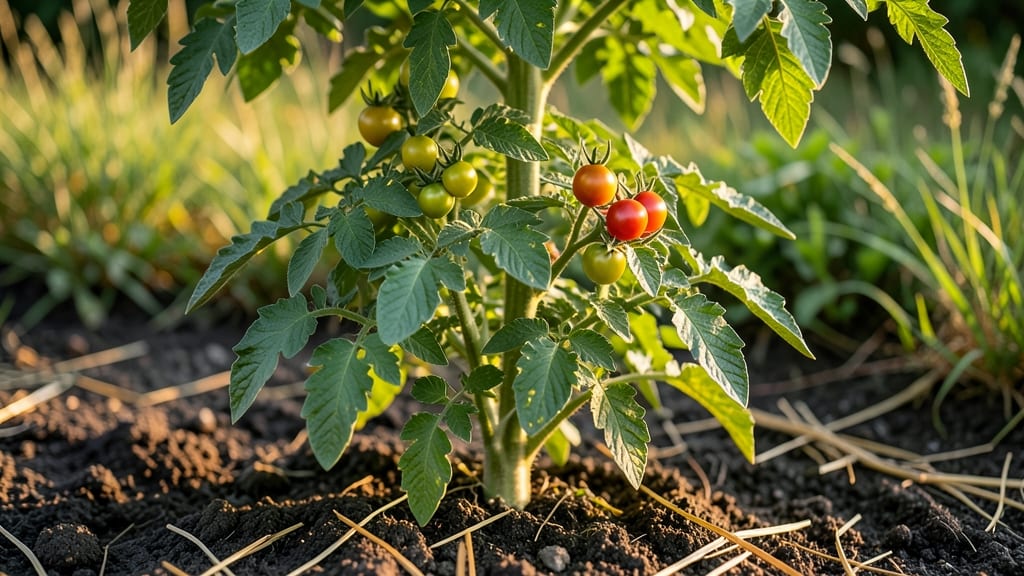
When choosing between determinate and indeterminate Super Sweet 100 tomatoes, you'll want indeterminate for continuous harvests until frost, while determinate varieties produce fruit all at once but stay compact. Indeterminate vines grow taller and need support, whereas determinate plants form bushier shapes ideal for small gardens.
This popular heirloom variety is naturally indeterminate, meaning its vines keep growing and producing fruit throughout the season until cold weather stops them. 🌱 The key difference lies in their growth habits: indeterminate types send out new shoots and flowers continuously, while determinate varieties set all their fruit at once before stopping growth.
If you're planning a garden with limited space, determinate Super Sweet 100 plants (if available) might be easier to manage, though they won't provide the same extended harvest window. For most gardeners, the indeterminate version's continuous production makes it the clear winner for fresh tomatoes all season long.
What's interesting is how these growth patterns affect your gardening approach. Indeterminate plants require strong support structures like cages or trellises to handle their weight, while determinate types can often support themselves.
The indeterminate version also benefits from regular pruning to focus energy on fruit production rather than excessive foliage growth. Many gardeners find the indeterminate growth habit more rewarding for home canning or fresh eating programs, as you can harvest tomatoes over several months rather than all at once.
💡 In This Article
- How Super Sweet 100 Tomato Vines Grow Differently
- Best Growing Conditions for Indeterminate Super Sweet 100 Tomatoes
How Super Sweet 100 tomato vines grow differently
The Super Sweet 100's indeterminate growth habit stems from its genetic programming to produce new shoots and flowers continuously from the terminal bud (the growing tip) throughout the season.
Unlike determinate varieties that stop growing once they reach a specific height—typically around 3-5 feet—indeterminate plants can grow 6-12 feet or more if given proper support.
This continuous growth creates a cascading vine structure that produces fruit along its entire length, rather than just at the ends of branches. 🌿 The biological mechanism involves auxin hormones that regulate cell elongation, allowing indeterminate plants to keep extending their main stem while producing lateral branches with flowers.
Determinate varieties, on the other hand, follow a fixed growth pattern where the main stem terminates in a flower cluster, signaling the plant to stop growing vertically. This creates a bushier, more compact plant that produces fruit primarily at the ends of branches.
The Super Sweet 100's indeterminate cousin will develop a sprawling vine with multiple trusses (clusters of flowers) that mature sequentially—starting at the bottom and working upward.
This staggered ripening means you'll harvest tomatoes over 60-90 days rather than all at once, which is particularly valuable for gardeners who want fresh tomatoes for salads or sauces throughout the summer.
This growth difference also affects how plants allocate their energy. Indeterminate types invest heavily in both vine extension and fruit production, which is why they require more nutrients and water.
The Super Sweet 100's indeterminate version will produce 10-20 pounds of fruit per plant in ideal conditions, while determinate varieties typically yield 5-10 pounds in a single harvest.
The trade-off is that indeterminate plants need more space and support to prevent disease and maximize fruit exposure to sunlight. 🌞 The sprawling nature also makes them more susceptible to soil-borne diseases if not properly managed.
Another critical difference lies in the branching patterns. Indeterminate plants develop suckers—secondary shoots that grow from the leaf axils (where leaves meet the stem)—which can be pruned to direct energy toward fruit production. Determinate plants, however, don't require pruning in the same way since their growth is naturally limited.
For the Super Sweet 100, removing suckers below the first flower cluster can improve airflow and reduce disease risk while encouraging larger fruit size. The indeterminate growth also means you'll need to train vines onto supports like cages or trellises to prevent them from sprawling across the garden bed.
What most gardeners don't realize is how these growth habits affect ripening patterns. Indeterminate plants like the Super Sweet 100 will produce small, early-season tomatoes followed by progressively larger fruit as the season progresses. This sequential ripening creates a built-in harvest schedule that's ideal for continuous fresh eating or canning.
In contrast, determinate varieties ripen all at once, which can be challenging to manage unless you're planning a large-scale canning project or have storage space. The indeterminate version's extended production window makes it particularly well-suited for regions with shorter growing seasons, where you want to maximize your harvest before frost.
Consider this practical example: In my own garden, I grew both indeterminate and determinate Super Sweet 100 plants side by side. The indeterminate version produced tomatoes from early July until the first frost in mid-October, while the determinate plant finished its harvest in early August.
The indeterminate plant required 8 feet of trellis space and needed weekly pruning to manage its growth, but the continuous harvest made it worth the extra effort. The determinate plant, while easier to manage, only provided fresh tomatoes for about 3 weeks—hardly enough for a summer-long supply. 🍅