Companion Plants
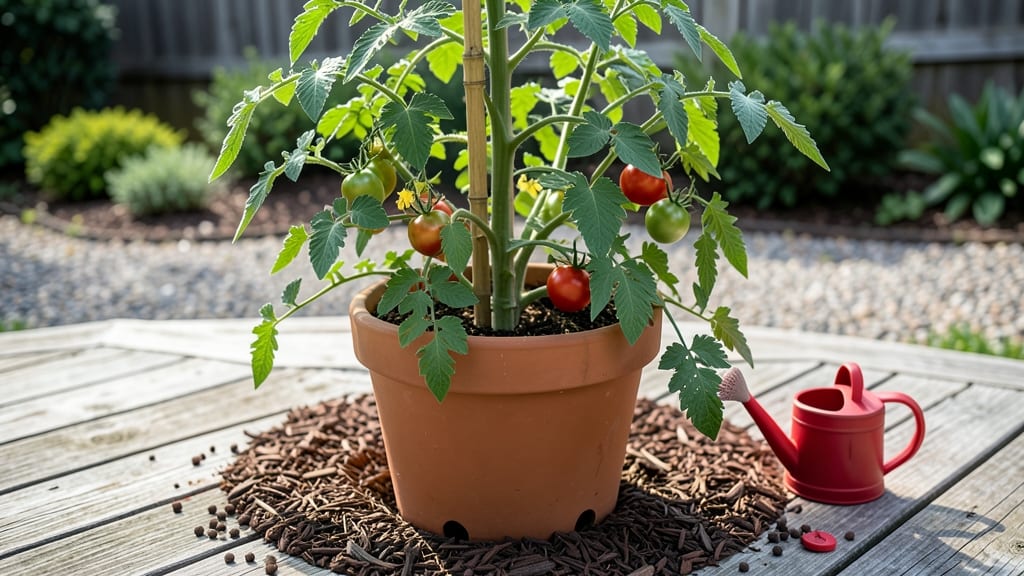
Caring for tomato plants in pots means bigger harvests in small spaces—if you nail these five key moves. 🌱 I’ve grown tomatoes in containers for years, and the difference between a puny plant and a fruit-laden bush comes down to soil, sunlight, and watering habits that most gardeners miss.
Start with a 5-gallon minimum pot for each plant (bigger is better for indeterminate varieties) and fill it with a lightweight potting mix—never garden soil. Too-heavy soil drowns roots, while the right mix drains fast and holds nutrients.
Place your pots where they’ll get 6-8 hours of direct sun daily, and rotate them weekly so all sides grow evenly. Within 4-6 weeks, you’ll see the payoff: sturdy stems, dark green leaves, and the first blossoms that’ll turn into tomatoes.
Prune suckers regularly (those little shoots between stems) to focus energy on fruit, and feed every 2 weeks with a balanced fertilizer once flowers appear. The secret? Consistency—tomatoes in pots forgive mistakes, but they won’t tolerate neglect.
Here’s where most gardeners stumble: watering. Potted tomatoes dry out faster than in-ground plants, so check soil moisture daily during heatwaves. Stick your finger 2 inches deep—if it’s dry, water thoroughly until it runs from the drainage holes.
Overwatering is just as deadly, so let the top inch dry between waterings. Yellow leaves? Often a sign of overwatering or poor drainage; adjust your pot or mix if this happens.
By midsummer, your container tomatoes should be bursting with fruit, and the best part? You’ll avoid soil-borne diseases and pests that plague in-ground gardens. For extra yield, try vertical supports (cages or stakes) to save space and keep plants upright.
And if your tomatoes start cracking? It’s usually a sign of inconsistent watering—keep moisture steady, and you’ll get perfect, juicy fruit.
📚 In This Guide
- What you need
- Instructions
- Tips and common mistakes
- Wrapping up and next steps
What you need
- ● Containers: At least 1-2 large pots (5+ gallons each) with drainage holes (tomatoes need room to grow!). Opt for fabric grow bags or plastic/ceramic pots with a diameter of 12+ inches.
- ● Potting Mix: 1 bag (1-2 cubic feet) of high-quality, well-draining potting mix (avoid garden soil—it compacts and retains too much moisture). Mix in 10-20% perlite or vermiculite for aeration.
- ● Tomato Plants: 1-2 healthy seedlings or transplants (choose determinate varieties like 'Roma' for pots or indeterminate like 'Cherry' if you’re willing to prune and support them).
- ● Fertilizer: Balanced fertilizer (10-10-10 or 5-5-5) for planting (follow package rates).
- ● Slow-release fertilizer or compost (e.g., 1 cup per pot) mixed into the soil.
- ● Support System: Cages or stakes (4-6 ft tall) for indeterminate varieties.
- ○ Trellis or tomato clips for determinate types (optional but helpful).
- ● Watering Supplies: Watering can with a long spout or a drip irrigation system (to avoid overwatering).
- ● Mulch (straw or shredded leaves) to retain moisture and suppress weeds.
- ● Pruning shears for trimming suckers and dead leaves.
- ● pH testing kit to ensure soil is between 6.0-6.8 (tomatoes prefer slightly acidic soil).
- ● Hand trowel or small shovel for transplanting and mixing soil.
- ● Glove to protect your hands from thorns.
- ● Spray bottle for misting leaves (especially in hot, dry climates).
Step-by-step guide to nurturing tomato plants in pots
Here's how I transform container-grown tomatoes from struggling seedlings into prolific producers.
🪴 Step 1: Select the Right Container and Soil Mix
Choose a pot at least 18-24 inches deep and 12-18 inches wide—tomatoes need room for roots to spread and stabilize. I use fabric grow bags because they allow roots to breathe and prevent soil compaction, which leads to root rot. If using traditional pots, ensure they have multiple drainage holes to prevent waterlogging.
Fill the container with a lightweight, well-draining mix. I blend 60% premium potting soil, 30% compost, and 10% perlite or vermiculite to improve aeration. Avoid garden soil—it compacts in containers and suffocates roots. Moisten the mix until it feels like a damp sponge, not a dripping wet rag.
☀️ Step 2: Position for Optimal Sunlight and Temperature
Tomatoes thrive in full sun (6-8 hours daily), so place your pots in the sunniest spot possible. A south-facing window or balcony works, but if you're growing outdoors, prioritize locations with afternoon sun exposure. I rotate my pots quarter-turn weekly to ensure even growth and prevent leaning toward the light.
Maintain soil temperatures between 65-75°F for best growth. If nights dip below 55°F, cover plants with a frost blanket or move them to a sheltered location. Cold soil slows root development and stresses plants, leading to blossom-end rot or stunted growth.
💧 Step 3: Water Deeply and Consistently
Water when the top 1-2 inches of soil feel dry—stick your finger in to check. I water deeply until it runs out the drainage holes, then let excess drain away. Shallow watering encourages weak roots that can't support heavy fruit. Use a watering can with a narrow spout to direct moisture to the soil, not the leaves, which reduces disease risk.
Mulch with 1-2 inches of straw or shredded leaves to retain moisture and regulate soil temperature. This step is critical in pots because they dry out faster than in-ground beds. Avoid wetting the foliage when watering—damp leaves invite fungal diseases like early blight.
✂️ Step 4: Prune and Support for Maximum Yield
Install a sturdy cage or stake at planting to support the plant as it grows. Tomatoes in pots need extra stability to prevent toppling. Prune suckers—those small shoots growing between the main stem and branches—regularly. I remove them when they're 2-3 inches long to redirect energy to fruit production instead of leafy growth.
Pinch off the first flower cluster if your plant is still small. This encourages stronger stem and root development before flowering. Once the plant is established, let it flower freely. Remove any yellow or diseased leaves immediately to improve airflow and prevent spread.
🌿 Step 5: Fertilize and Monitor for Pests
Feed every 2-3 weeks with a balanced, water-soluble fertilizer (10-10-10 or 20-20-20) diluted to half strength. I switch to a low-nitrogen, high-phosphorus formula (like 5-10-10) when flowers appear to promote blooming. Over-fertilizing leads to excessive leaf growth at the expense of fruit.
Inspect plants weekly for common pests like aphids, whiteflies, or hornworms. I spray affected areas with neem oil or insecticidal soap in the evening to avoid harming beneficial insects. Early detection prevents outbreaks that can defoliate plants overnight.
Tips & tricks for thriving container tomatoes
Container gardening demands extra attention—here's how to turn your tomato plants into prolific producers.
Container Selection: Fabric grow bags are my top pick because they prevent root circling and allow excess moisture to evaporate, reducing rot risk. If using traditional pots, prioritize ones with 18-24 inches depth—shallower containers restrict root growth and lead to top-heavy plants that topple under fruit weight. The extra width (12-18 inches) gives roots room to spread horizontally, which is crucial for stability.
Soil Temperature Secret: The 65-75°F soil temperature range isn't just about warmth—it's about consistency. Use a soil thermometer to monitor temps, especially in morning and evening. I've seen plants stress dramatically when soil temps drop below 55°F at night, even when daytime temps are perfect. Consider using black pots—they absorb more heat and help maintain that critical temperature range during cooler periods.
Watering Technique: The top 1-2 inches dry test works, but here's the pro move: water until you see moisture running out the drainage holes, then wait 10 minutes before adding more. This prevents waterlogging while ensuring roots get properly hydrated. I've found that mulching with 1-2 inches of straw isn't just about moisture retention—it also creates a microclimate that keeps soil temps more stable, which is especially helpful in containers that heat up quickly in direct sun.
Pruning Strategy: When removing those 2-3 inch suckers in Step 4, don't just yank them—use clean pruners and make a clean cut at the stem junction. This prevents disease entry points. The first flower cluster pinch is non-negotiable for small plants, but once your tomato reaches 3 feet tall, let those flowers bloom. I've found that plants under stress from container confinement actually benefit from this early pruning—it forces them to develop stronger structural roots before fruiting.
Pro Tips for Care For Tomato Plants In Pots
- Container gardening demands extra attention—here's how to turn your tomato plants into prolific producers.
- Container Selection: Fabric grow bags are my top pick because they prevent root circling and allow excess moisture to evaporate, reducing rot risk.
- Soil Temperature Secret: The 65-75°F soil temperature range isn't just about warmth—it's about consistency.
Frequently asked questions
Got questions about growing tomatoes in pots?
You’re not alone! Here are some of the most common concerns—and their easy fixes—to keep your container tomatoes thriving all season long.
Can I grow cherry tomatoes in pots the same way as larger varieties?
Cherry tomatoes are perfect for containers—they’re compact and produce abundant fruit. Just choose a pot at least 12 inches deep and use a balanced fertilizer (like 10-10-10) to encourage steady growth. Dwarf or determinate varieties (like ‘Tiny Tim’ or ‘Sweet Million’) are ideal for small spaces.
How often should I water tomato plants in pots?
Tomatoes in pots dry out fast—check soil moisture daily during hot weather. Water when the top inch feels dry, and aim for 1–2 inches of water per week. Use a self-watering pot or drip irrigation to maintain consistency. Pro tip: Water in the morning to reduce evaporation and fungal risks.
What do I do if my potted tomato plant gets pests like aphids or hornworms?
Act fast! Start with a gentle spray of soapy water (1 tsp mild dish soap per quart of water) for aphids. For hornworms, handpick them (they’re easy to spot!) or introduce beneficial nematodes. Prevent pests by spacing plants properly, avoiding overhead watering, and using neem oil as a deterrent.
Will my tomato plant survive if it gets too cold at night?
Tomatoes are tender plants and thrive in 60–85°F temps. If nighttime temps dip below 50°F, move pots to a sheltered spot (like a garage or under a patio cover). For extreme cold (<40°F), consider row covers or a temporary greenhouse. Warning: Frost will kill the plant, so plan your harvest before fall chills arrive.
Can I reuse the same pot for tomatoes year after year?
Yes, but sanitize it first! Remove old soil, scrub the pot with a 10% bleach solution, and rinse well. Tomatoes are heavy feeders, so refresh the soil with a nutrient-rich potting mix (add compost or worm castings). Avoid reusing pots with history of diseases like blight—better to start fresh!
Still stumped? Drop your question in the comments—we’ve got you covered!
Wrapping up and next steps
Caring for tomato plants in pots is totally doable—and with the right techniques, you’ll enjoy a bountiful harvest right on your balcony or patio! 🌱 The key is choosing the right container, providing proper drainage, sunlight, and nutrients, and staying consistent with watering and pruning.
Don’t forget to monitor pests and rotate your pots for even growth.
Now that you’re armed with these container-gardening secrets, it’s time to get growing! Start with a healthy seedling or transplant, and soon you’ll be savoring homegrown tomatoes—one delicious bite at a time. Happy gardening! 🍅✨