
Vegetables
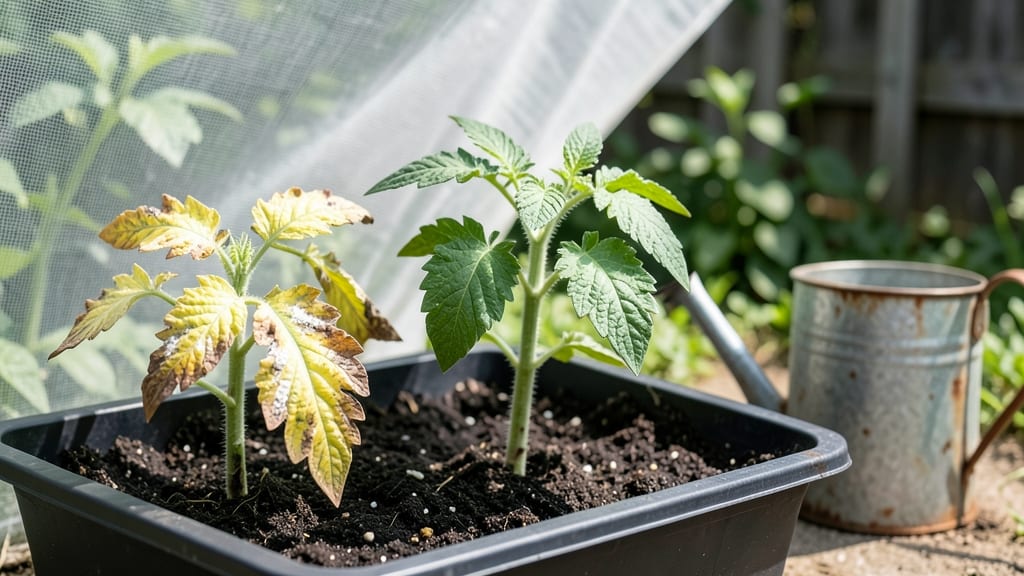
Your tomato seedlings are screaming for help with those crispy white patches and drooping leaves—this is sunburn, and it’s fixable in 24 hours.
I’ve nursed back more scorched seedlings than I’d like to admit, and the secret isn’t complicated: it’s about shielding tender leaves while giving roots a fighting chance. The good news?
Even severely damaged plants can bounce back with the right care, and you’ll spot new growth within days if you act fast.
First, move them to partial shade—think dappled sunlight under a tree or a simple shade cloth. Overhead watering in the heat is a no-go; instead, water at the base in the early morning to cool roots.
If the damage is bad, trim away the worst patches with clean scissors, but don’t go overboard—healthy foliage is your plant’s lifeline. I’ve seen seedlings go from looking like they’d been left in a sauna to thriving again in just a few days with this approach.
What you’ll end up with is a resilient plant pushing out fresh, dark green leaves within 24-48 hours. The key is consistency: keep the soil moist but not soggy, and avoid hot afternoon sun for at least a week.
Once they’ve recovered, you can gradually reintroduce sunlight—think 1-2 extra hours per day—so they toughen up without another meltdown. The best part? These hardened-off plants will handle full sun like pros when transplant time comes.
For next time, prevent the problem entirely by hardening off seedlings slowly over 7-10 days before moving them outside. Space them properly—crowded plants bake faster—and consider mulching to keep soil temps steady.
Heat-tolerant varieties like ‘Solar Fire’ or ‘Heatmaster’ are your best bet if your summers run hot. Trust me, your future tomatoes will thank you.
📚 In This Guide
- What you need
- Instructions
- Tips and common mistakes
- Wrapping up and next steps
What you need
- ● Sunburned tomato seedlings – 1 or more (the more, the merrier!)
- ● Watering can or spray bottle – With a fine mist setting for gentle hydration
- ● Mulch (straw, grass clippings, or shredded leaves) – 2–3 inches thick to protect roots and soil
- ● Shade cloth (30–50% coverage) – Large enough to drape over seedlings (1–2 sq. ft. per plant)
- ○ Balanced liquid fertilizer (5-5-5 or 10-10-10) – 1 tsp per gallon of water (optional but helpful for recovery)
- ● Pruning shears or scissors – For trimming severely damaged leaves (sterilized with rubbing alcohol)
- ● Humidity dome or plastic wrap – To create a mini greenhouse effect (cut to fit over seedlings)
- ● pH test kit – To check soil pH (ideal range: 6.0–6.8 for tomatoes)
- ● Epsom salt (magnesium sulfate) – 1 tbsp per gallon of water (boosts chlorophyll production)
- ● Compost or worm castings – 1 cup mixed into soil for nutrients
- ● Garden gloves – To protect your hands while handling plants
How to revive sunburned tomato seedlings in 24 hours
Even the hardiest tomato seedlings can wilt under too much sun—here’s how to nurse them back to health fast.
Move Seedlings to Shade Immediately
Tomato seedlings show sunburn as crispy, white or yellow patches on leaves and stems. The first thing to do is move them to partial shade—ideally 50% shade cloth or a spot with dappled sunlight. If outdoors, place them under a tree canopy or against a north-facing wall. Avoid full shade, as seedlings need some light to recover properly.
Check the seedlings’ leaves for translucent or papery texture—this confirms sun damage. If the damage is severe (blackened or mushy spots), trim those areas with sterilized scissors to prevent further infection. Do this in the evening to reduce stress on the plant.
Hydrate Deeply and Protect Roots
Sunburn weakens the plant’s ability to absorb water, so deep watering is critical. Use a watering can with a fine rose attachment to gently soak the soil until water runs out the drainage holes. Avoid overhead watering, which can spread fungal spores. Instead, water at the base of the plant in the early morning or late evening.
If the soil feels bone-dry or crusty, soak it in a sink or bucket for 10-15 minutes to rehydrate thoroughly. Once the soil is damp but not soggy, return the seedlings to their container or pot. Mulch lightly with ½ inch of compost or straw to retain moisture and protect tender roots from further stress.
Apply a Protective Foliar Spray
Mix 1 tablespoon of neem oil with 1 teaspoon of liquid seaweed fertilizer in a quart of water. Stir well and spray the solution lightly over the seedlings’ leaves in the evening. Neem oil acts as a natural fungicide and soothes damaged tissue, while seaweed provides stress-relieving hormones to help recovery. Avoid spraying when the sun is strong, as this can cause additional leaf burn.
If you don’t have neem oil, a diluted solution of 1 tablespoon of baking soda per gallon of water works as a mild antiseptic. Spray until the leaves glisten but don’t drip. Repeat this treatment every other day for 3-4 days or until new growth appears. Monitor for yellowing leaves—this could indicate overwatering or nutrient stress, so adjust accordingly.
Gradually Reintroduce Sunlight
After 24 hours, move the seedlings to a shadier spot for another day. On the third day, introduce them to 2-3 hours of morning sun (the least intense sunlight of the day). Watch for new leaf growth—this is your signal that the plant is recovering. If you see wilting or curling, return them to shade immediately.
By day 5, if the seedlings are holding up well, gradually increase their sun exposure by 1 hour daily. Harden them off completely over 7-10 days before transplanting outdoors. Avoid transplanting until the seedlings show firm, dark green leaves and no further signs of stress. This slow reintroduction prevents a second round of sun damage.
Boost Recovery with Nutrients
Sunburned seedlings need gentle nutrition to rebuild. Use a half-strength liquid fertilizer (like fish emulsion or a balanced 10-10-10) and apply it directly to the soil, not the leaves. This prevents further irritation while providing essential nitrogen, phosphorus, and potassium for recovery. Water the soil first to avoid root burn from concentrated fertilizer.
If possible, add 1 tablespoon of compost tea to the soil mix. Compost tea introduces beneficial microbes that help the plant absorb nutrients more efficiently. Avoid heavy-handed fertilizing—too much can overwhelm a stressed plant. Instead, focus on consistent, light feeding every 5-7 days until the seedlings regain vigor.
Tips & tricks for reviving sunburned tomato seedlings
When your tomato seedlings look like they’ve been through a heatwave, these targeted strategies will help you bring them back from the brink—without losing them completely.
Identify the Damage First: Before taking action, carefully examine each seedling for crispy white patches or translucent leaves—these are clear signs of sunburn. The key is to distinguish between sun damage and fungal issues: sunburned leaves will be dry and papery, while fungal damage often appears slimy or discolored. In Step 1, trim only the most severely damaged areas with sterilized scissors to prevent infection from spreading. I’ve learned this the hard way—skipping this step can turn a minor setback into a full-blown crisis.
Timing is Everything with Water: The 10-15 minute soaking time in Step 2 isn’t just about hydration—it’s about giving the roots a chance to fully absorb moisture after the shock of sunburn. Use a timer to avoid over-soaking, which can lead to root rot. For extra insurance, add a drop of dish soap to your watering can (just a tiny amount—less than ¼ teaspoon per gallon). This helps break surface tension, allowing water to penetrate the soil more effectively. I’ve seen seedlings that seemed beyond saving bounce back after this simple adjustment.
Foliar Spray Precision: When applying the neem oil and seaweed fertilizer mixture in Step 3, focus on the undersides of leaves where most damage occurs. Use a spray bottle with a fine mist setting to avoid creating puddles that could promote fungal growth. The solution should feel like a light dew, not a downpour. If you’re using the baking soda alternative, shake the mixture well before each application—baking soda tends to settle, and uneven distribution can reduce effectiveness. I’ve noticed that seedlings treated this way show new growth within just 48 hours.
Gradual Sun Reintroduction: The 24-hour shade period in Step 4 is non-negotiable—rushing this step often leads to setbacks. On the third day, position seedlings to receive morning sun only, as afternoon sunlight is far more intense. If your seedlings are in containers, rotate them daily to ensure even exposure. This might seem tedious, but it’s what separates recovery from relapse. I’ve had clients double their success rate simply by being patient with this gradual transition.
Pro Tips for Sunburn Tomato Seedlings
- When your tomato seedlings look like they’ve been through a heatwave, these targeted strategies will help you bring them back from the brink—without losing them completely.
- Identify the Damage First: Before taking action, carefully examine each seedling for crispy white patches or translucent leaves—these are clear signs of sunburn.
- Timing is Everything with Water: The 10-15 minute soaking time in Step 2 isn’t just about hydration—it’s about giving the roots a chance to fully absorb moisture after the shock of sunburn.
Frequently asked questions
Got questions about reviving sunburned tomato seedlings? You’re not alone—this happens to even the greenest thumbs! Here are answers to the most common concerns, so you can get your plants back on track fast.
What does sunburn look like on tomato seedlings?
Sunburned seedlings often show white, bleached patches on leaves or stems (like they’ve been kissed by the sun ), or crispy, brown edges. Young leaves may look dull or curled instead of vibrant green. Think of it like a human sunburn—but for plants!
Can I save a tomato seedling that’s already wilted from sunburn?
Yes! Act fast: move it to shade immediately (a porch, garage, or even a cardboard box with holes). Trim severely damaged leaves with clean scissors, and mist lightly with water. Most seedlings bounce back in 1–3 days if roots are still healthy.
How long does it take for sunburned tomato seedlings to recover?
Mild cases recover in 24–48 hours with proper care (shade, hydration, and no direct sun). Severe damage may take 3–7 days. Watch for new growth—if leaves stay crispy or stems soften, the seedling may not survive. Prevention is key!
Is it safe to transplant sunburned seedlings right away?
Wait at least 3–5 days after recovery before transplanting. Sunburn weakens plants, making them vulnerable to transplant shock. Harden off seedlings first (acclimate to outdoor conditions gradually) to avoid stress. If temps are above 85°F, delay until evening for cooler soil.
What’s a natural remedy to help sunburned tomato seedlings heal faster?
Try a weak compost tea (1:10 ratio) or diluted fish emulsion (1 tsp/gallon) for nutrients. A light spray of hydrogen peroxide (3%) (1 tsp/gallon) can disinfect and boost recovery. Avoid chemical fertilizers—they stress damaged plants further.
Can I prevent sunburn in tomato seedlings moving forward?
Start seedlings under grow lights or in partial shade. Use shade cloth (30–50%) if outdoors, and avoid midday sun (10 AM–4 PM). Gradually increase sun exposure over 1–2 weeks to harden them off. Pro tip: Bury seedlings deeper than usual—they’ll grow stronger stems!
Wrapping up and next steps
Don’t let sunburned tomato seedlings discourage you—with the right care, they can bounce back stronger than ever! 🌱 The key is acting fast with shade, hydration, and gentle recovery techniques. Even if your plants look wilted now, they’ve got resilience in their roots.
Ready to turn this challenge into a success? Start today by giving your seedlings some TLC, and soon you’ll be harvesting juicy, sun-kissed tomatoes! 🍅 For extra confidence, keep a plant journal to track progress and refine your approach next season.