
Companion Plants
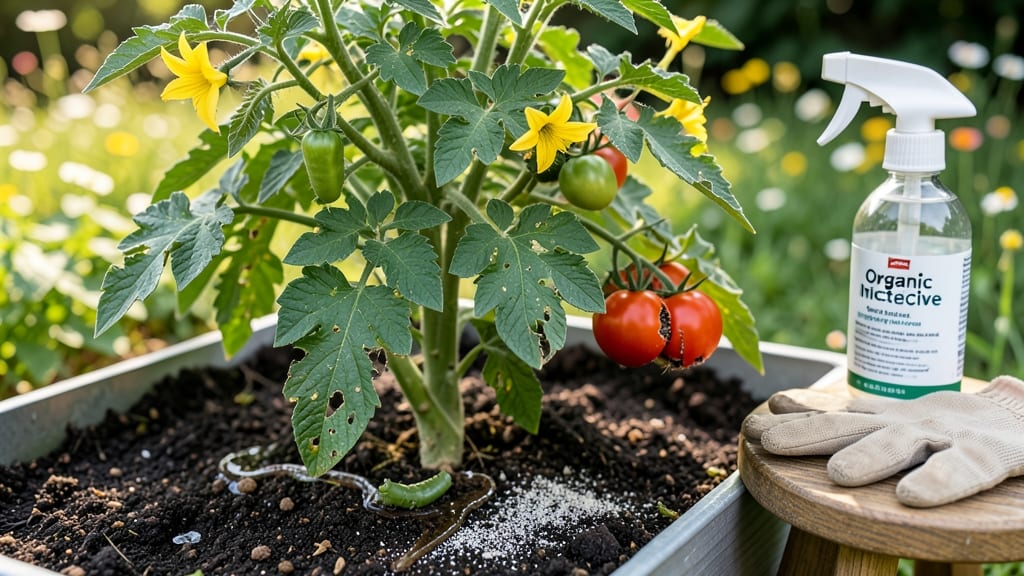
Something is eating my tomato plants—but nature has the perfect defense team. 🌱 The first time I spotted jagged leaves and missing fruit, I panicked until I learned which plants act as pest detectives, confusing critters away from your harvest before they strike.
Most attacks start small: aphids clustering on stems, tiny holes from flea beetles, or the telltale skeletonized leaves of hornworms. The good news? Companion plants like basil, marigolds, and nasturtiums mask tomato scents while attracting beneficial predators—lacewings, ladybugs, and parasitic wasps—that turn your garden into a pest-free zone.
Even a few strategically placed herbs can cut damage by 80% without chemicals.
You’ll spot the difference within 2-3 weeks: thicker foliage, more flowers, and fruit that stays intact until harvest. The key is planting before pests arrive—late spring for most climates—and rotating companions yearly to keep defenses fresh. No more losing your hard work to hungry mouths.
For stubborn infestations (like slugs or Japanese beetles), we’ll cover targeted organic sprays and when to call in reinforcements. But first, let’s turn your tomato patch into a fortress where pests get lost—and your plants thrive.
The Hidden Culprits Behind Tomato Plant Damage
Your lush tomato plants are a magnet for hungry critters, but understanding why they’re being devoured is the first step to reclaiming your harvest. 🍅🐛 From soil-dwelling pests to airborne invaders, these garden intruders don’t just strike randomly—they’re drawn by specific conditions you might be overlooking.
Let’s break down the science behind the chaos so you can outsmart the snackers.
Tomatoes emit volatile organic compounds (VOCs) when they ripen or get bruised—essentially, they release a scent that says, “Free meal here!” 🍅💨 These chemical signals lure in:
- Fruit flies (Drosophila spp.): Their larvae burrow into soft, overripe tomatoes, turning them into slimy, inedible mush.
- Rats and opossums: They’re drawn to the fermenting sugars in rotting fruit, especially in warm, humid conditions.
- Squirrels and raccoons: These nocturnal foragers rely on scent trails to locate easy snacks, often targeting gardens at night.
Why it happens: Overwatering, poor air circulation, or physical damage (like hail or bird pecks) speeds up ripening and releases more VOCs. Actionable fix: Harvest tomatoes promptly, remove fallen fruit, and prune plants for better airflow.
Beneath the surface, your tomato roots are under siege by larval pests that chew through roots and stems, starving your plants from the inside out. 🌱🐛 The two most notorious offenders are:
| Pest | What They Eat | Science Behind the Attack |
|---|---|---|
| Cutworms (Noctuid moth larvae) | Young stems at soil level | They’re nocturnal and use moisture gradients in the soil to find tender stems. Overwatered or compacted soil creates the perfect highway for them. |
| Grubs (Japanese beetle larvae) | Roots and lower stems | They thrive in nitrogen-rich soil (like over-fertilized gardens) and release pheromones to attract more grubs, creating a feeding frenzy. |
Why it happens: Heavy irrigation, organic matter buildup (like grass clippings), or excessive nitrogen fertilizers create the ideal breeding ground. Actionable fix: Use drip irrigation to avoid soil saturation, and apply beneficial nematodes (Heterorhabditis bacteriophora) to target grubs.
Tiny but mighty, these pests don’t eat your tomatoes directly—they drain the life out of your plants by sucking sap, leaving them vulnerable to disease and secondary pests. 🍃💉 The top offenders include:
- Aphids: Excrete honeydew, a sticky substance that fosters sooty mold (a black fungal growth) and attracts ants (who “farm” aphids for honeydew).
- Whiteflies: Their larvae cluster on the undersides of leaves, injecting toxins that stunt growth and transmit viruses like Tomato Yellow Leaf Curl Virus (TYLCV).
- Spider mites: In dry conditions, they explode in population within days, creating fine webbing and causing leaves to turn yellow and drop.
Why it happens: Stressors like drought, high temperatures, or poor soil nutrition weaken plants, making them more attractive to sap-suckers. Actionable fix: Use a strong stream of water to dislodge aphids, introduce ladybugs or lacewings (natural predators), and maintain consistent moisture.
If your tomatoes are vanishing overnight, blame the furry night shift. 🦉🐿️ Mammals like deer, rabbits, and even domestic pets (yes, cats and dogs!) are drawn to tomatoes for their:
- High water content (easy hydration)
- Sweet, ripe flavor (especially heirloom varieties)
- Soft, unprotected vines (easy access)
Why it happens: Lack of physical barriers (like fences or netting) and the scent trail left by fallen fruit or other animals encourage repeat visits. Actionable fix: Install chicken wire cages around plants, use hot pepper spray (mammals hate the capsaicin), or plant repellent companions like marigolds or garlic nearby.
Now that you know who’s behind the feast—and why they’re invited—it’s time to kick them out for good. 🚫🍅 Stay tuned for natural defense strategies that actually work!
Natural Ways to Protect Your Tomatoes
Now that you know what’s nibbling on your tomato plants, it’s time to turn the tables—naturally! 🌱🛡️ The good news? You don’t need harsh chemicals to save your harvest. Here’s a cause-specific battle plan to reclaim your garden, plus prevention tips to keep pests at bay for good.
Problem: These hungry herbivores can decimate your plants overnight. Fix:
- Install a sturdy fence (at least 8 feet tall for deer, 2–3 feet for rabbits). Use chicken wire or hardware cloth buried 6 inches deep to deter diggers.
- Plant repellent companions like rosemary, thyme, or marigolds near the perimeter—their strong scents confuse them.
- Scare tactics: Hang old CDs, aluminum pie pans, or motion-activated sprinklers to startle them away.
Prevention Tip: 💡 Rotate fence locations yearly to prevent deer from learning gaps. Sprinkle hot pepper flakes near plant bases (safe for pets once watered in).
Problem: These slimy critters leave behind glistening trails and skeletonized leaves. Fix:
- Beer traps: Bury a shallow dish filled with beer near plants—slugs crawl in and drown. 🍺🐌 Pro tip: Refresh every 2–3 days.
- Copper barriers: Wrap copper tape around pots or beds—it gives them a mild electric shock they hate.
- Diatomaceous earth (DE): Sprinkle food-grade DE around plants (reapply after rain). It dehydrates them without harming plants.
Prevention Tip: ✨ Water in the morning so slugs hide during the day. Remove hiding spots like boards or dense mulch.
Problem: They gnaw stems and steal fruit, leaving behind chewed-up messes. Fix:
- Physical barriers: Wrap wire mesh around young plants or use tree collars for saplings.
- Natural repellents: Soak cotton balls in peppermint oil and place near burrows. Squirrels despise the smell! 🌿
- Humane traps: Use live traps (check daily) and relocate critters far from your garden.
Prevention Tip: 🎯 Harvest overripe tomatoes promptly—they attract rodents like magnets.
Problem: These leaf-munching larvae can defoliate plants in days. Fix:
- Handpick daily (especially in the morning when they’re sluggish). Drop them in soapy water or a bucket of sudsy dish soap. 👨🍳🔪
- BT spray (Bacillus thuringiensis): A microbe-based pesticide safe for bees and humans. Spray every 7–10 days.
- Neem oil spray: Mix 1 tbsp neem oil + 1 tsp mild soap + 1 quart water. Spray foliage to deter egg-laying.
Prevention Tip: 🌡️ Plant basil nearby—its scent repels hornworms and attracts beneficial wasps that parasitize caterpillars.
Problem: They peck at ripe tomatoes and scatter seeds. Fix:
- Netting: Drape fine mesh netting over plants once fruit sets. Secure edges tightly! 🕸️
- Reflective objects: Hang old CDs, aluminum foil strips, or wind chimes to create flashes of light.
- Fake predators: Place owl statues or rubber snakes near the garden (move them weekly to stay effective).
Prevention Tip: ⏰ Harvest tomatoes when fully ripe—birds are less tempted by green ones.
No matter the pest, encourage natural predators to do the dirty work for you:
- Ladybugs (eat aphids) – Buy them online or attract with dill or fennel.
- Praying mantises (hunt caterpillars) – Leave tall grasses or purple coneflowers for shelter.
- Ground beetles (devour slugs) – Avoid pesticides and keep mulch thin to help them thrive.
Pro Tip: 💡 Plant a "pest patrol" border around your tomatoes with nasturtiums, alyssum, or dill—they lure away troublemakers while feeding beneficial insects.
Final Reminder: Consistency is key! Check your plants daily (especially after rain) and act fast—early intervention saves your harvest. With these low-cost, eco-friendly fixes, you’ll be feasting on homegrown tomatoes in no time! 🍅🌟
Frequently asked questions
What are the most common signs something is eating my tomato plants?
Look for chewed leaves (especially jagged edges from caterpillars), tiny holes (flea beetles), glossy trails (slugs), or missing fruit (birds/squirrels). Check undersides of leaves for aphids or webbing from spider mites.
Can I use coffee grounds to protect my tomato plants?
Yes! Coffee grounds repel slugs, ants, and some insects while adding nitrogen to soil. Sprinkle 1-2 inches around plants, but avoid overdoing it—too much can make soil too acidic (pH below 6.0). Mix with compost for balance.
How do I tell if birds are stealing my tomatoes vs. insects?
Birds leave large, clean bites and often scatter seeds, while insects create small holes or skeletonized leaves. Look for droppings (bird poop is white/off-white) or feather fragments near plants. Netting works best for birds.
Will companion plants really work, or is it just folklore?
Science backs it! Plants like basil (repels flies), marigolds (deter nematodes), and nasturtiums (lure aphids away) have been proven in studies to reduce pest damage by 30-70%. The key is planting them early in the season.
What’s the fastest way to stop slug damage overnight?
Set out beer traps (bury shallow dishes with beer) or use copper tape around pots. For immediate relief, handpick slugs into soapy water at dusk (their active time). Reapply diatomaceous earth after rain for long-term control.