
Planting
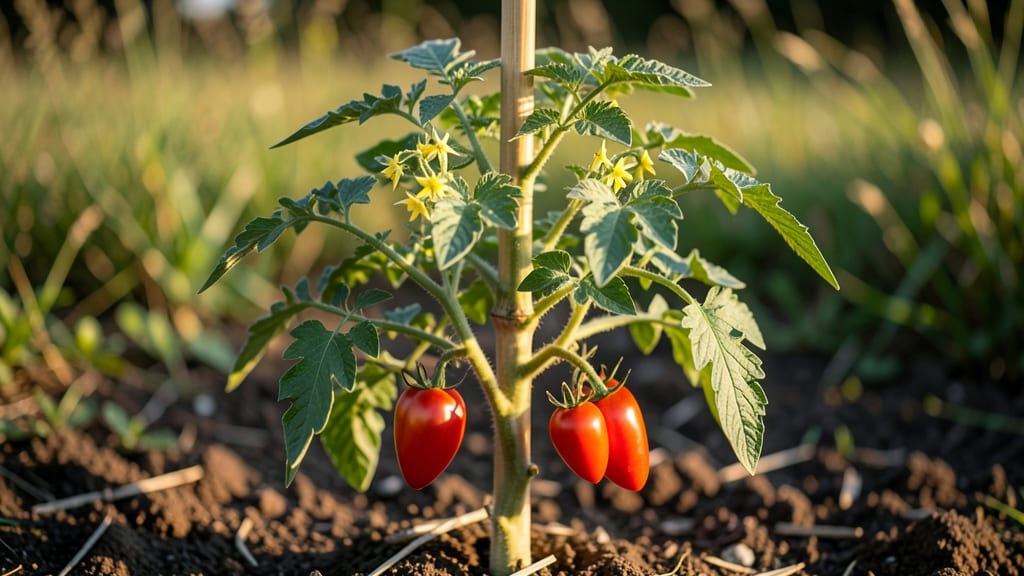
A Roma tomato plant size is deceptively compact—standing just 3 to 5 feet tall at maturity but packing a surprising punch in yield for its space.
If you’ve ever wondered whether Roma tomatoes can thrive in small spaces—or how their compact size compares to beefsteak varieties—this guide reveals exactly what to expect from their growth patterns, whether you’re gardening in containers or cultivating in open beds.
Unlike sprawling indeterminate types, Roma tomatoes grow in a tidy, bushy shape, making them perfect for balconies, raised beds, or even 5-gallon buckets. Their manageable height also means less pruning and easier harvesting, but spacing still matters—crowd them, and you’ll sacrifice both air flow and fruit production.
Below, I break down the ideal spacing for containers vs. gardens, how to support their growth without overcrowding, and the simple pruning tricks that keep them productive without taking over your patio.
Roma tomato plant size: expected height, spread, and growth stages
If you’re planning your garden layout or choosing containers for Roma tomatoes, understanding their growth stages and mature size is key. Unlike sprawling indeterminate varieties that climb indefinitely, Roma tomatoes are determinate, meaning they grow to a predictable height and stop.
This makes them perfect for small spaces and container gardening.
From seedling to fruiting, a Roma tomato plant undergoes distinct size changes. At the seedling stage, they’re tiny—just 4-6 inches tall—while mature plants reach 3-5 feet with a spread of 2-3 feet. Knowing these dimensions helps you plan spacing, support structures, and even yield expectations.
Here’s a detailed breakdown of Roma tomato plant size at each growth stage, including ideal spacing for containers and garden beds:
For container gardening, Roma tomatoes thrive in 5-gallon pots or larger, as their root systems need room to expand. In garden beds, space plants 24-36 inches apart to prevent overcrowding, which can lead to disease or reduced yields.
Their compact growth habit makes them ideal for urban gardens or patios.
Unlike indeterminate varieties like 'Sungold' that grow 6-10 feet tall, Roma tomatoes stay controlled and bushy. This predictability is a game-changer for small gardens or balcony setups. Just ensure they get 6-8 hours of sunlight daily and well-draining soil to reach their full potential.
If you’re growing Roma tomatoes in containers, choose a pot with drainage holes and support them with a cage or stake as they reach 2-3 feet tall. This prevents sprawling and makes harvesting easier. In garden beds, mulch around the base to retain moisture and suppress weeds.
One common mistake is overcrowding Roma tomatoes, thinking their compact size means they can grow closer together. But 24-36 inches of space ensures proper airflow, reducing the risk of blight or other fungal diseases. Their spread is wider than their height, so plan accordingly when designing your layout.
For maximum yield, prune suckers (the small shoots in the leaf axils) regularly to redirect energy to fruit production. Roma tomatoes are prolific producers, but overcrowded foliage can block sunlight and reduce harvests. Aim to keep the plant open and airy while maintaining its natural bushy shape.
Finally, remember that Roma tomatoes are early producers, with harvests starting around 70 days after transplanting. Their compact size doesn’t limit productivity—just ensure they have enough space to grow without competing for nutrients or sunlight.
Best container sizes for Roma tomatoes: maximizing space without sacrificing yield
Roma tomatoes are one of the best choices for container gardening because their compact growth habit makes them perfect for small spaces. Unlike beefsteak varieties that can sprawl, Roma plants typically reach 3-5 feet tall with a 2-3 foot spread, making them ideal for 5-gallon buckets or larger containers.
The key is selecting a container that provides enough root depth and drainage while supporting their vining growth.
When choosing containers, prioritize depth over width—Roma tomatoes need at least 12-18 inches of soil depth to support their root system. Shallow containers will stunt growth and reduce yield. Fabric grow bags are another excellent option because they allow roots to breathe while providing ample space for expansion.
Always ensure your container has drainage holes to prevent waterlogging, which can lead to root rot.
| Container Type | Minimum Size | Best For | Support Needed |
|---|---|---|---|
| 5-Gallon Bucket | 1 plant | Balconies, patios | Cage or stake |
| Fabric Grow Bag (7+ gallons) | 1-2 plants | Urban gardens, decks | Trellis or tomato cage |
| Raised Bed (4'x8') | 3-4 plants | Backyards, gardens | Stakes or cages |
| Large Pot (15+ gallons) | 2-3 plants | Patios, porches | Tall trellis |
For vertical growth support, use a tomato cage or trellis to guide vines upward, which saves space and improves air circulation. Roma tomatoes are indeterminate, meaning they’ll keep growing if given the right conditions, so providing support early prevents sprawling.
I recommend installing a cage or trellis at planting time to avoid disturbing roots later.
Another tip: use lightweight potting mix to reduce container weight, especially if you plan to move your plants frequently. A mix with 50% compost and 50% perlite or vermiculite ensures good drainage while retaining moisture.
Avoid heavy garden soil, which can compact and suffocate roots in containers. Always water deeply in the morning to encourage strong root development.
If you’re growing Roma tomatoes in raised beds, space plants 18-24 inches apart to allow for airflow and easy harvesting. In containers, limit yourself to one plant per 5-gallon bucket or two per 7-gallon fabric grow bag.
Overcrowding leads to competition for nutrients and increases the risk of disease. With the right container and support, you’ll enjoy a bountiful harvest of plump, flavorful Roma tomatoes even in limited space!
🌱