
Vegetables
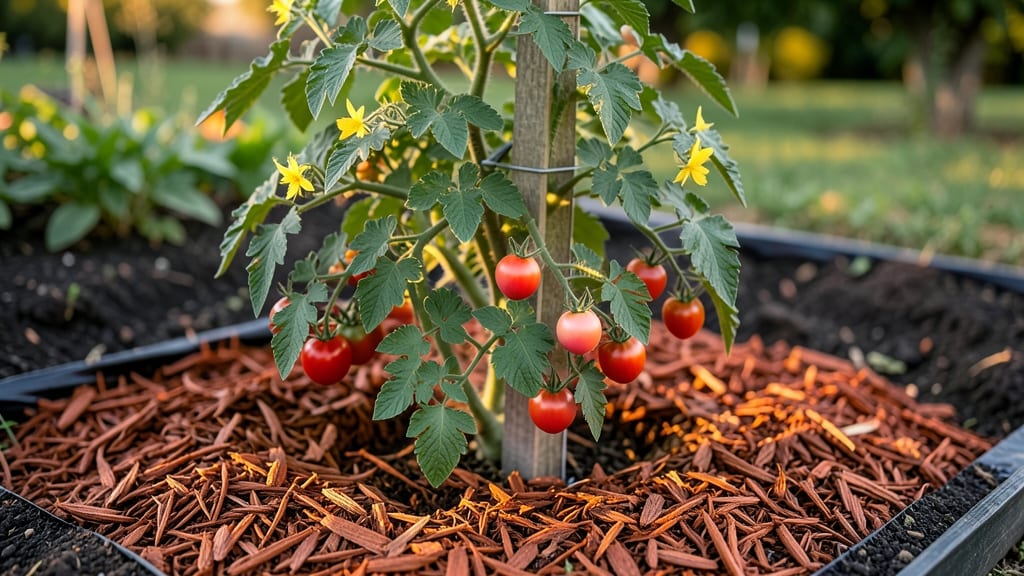
Using red mulch around tomato plants boosts growth by warming the soil, blocking weeds, and locking in moisture—but only apply it after seedlings are planted when soil reaches 60°F to prevent rot or scorching. Organic options like straw or leaf litter provide the best long-term benefits without synthetic drawbacks.
Red mulch works like a natural blanket for your tomato plants, creating an ideal microclimate that encourages root development and fruit production. 🌱 The key is timing—applying too early can trap moisture and invite fungal diseases, while waiting until soil warms ensures healthy seedling establishment.
I’ve found that straw mulch breaks down slowly, adding organic matter over time, while wood chips last longer but may acidify soil if overused. For best results, refresh the layer every few months to maintain thickness and effectiveness.
This approach isn’t just about convenience—it’s about creating a thriving ecosystem. Mulch reduces soil temperature swings, which means fewer stress signals to your plants and more energy directed toward flowering and fruiting.
Plus, the weed suppression means less competition for nutrients, so your tomatoes get all the support they need to produce those juicy, vine-ripened beauties you’re dreaming of.
💡 In This Article
- How Red Mulch Improves Tomato Plant Growth
- Best Organic Mulch Choices for Tomato Gardens
How red mulch improves tomato plant growth
Red mulch transforms your tomato garden by regulating soil temperature through a process called thermal insulation. During the day, it absorbs and slowly releases heat, keeping roots in an optimal 70-85°F range—critical for tomato growth.
This prevents the soil from overheating above 90°F, which can stress plants and reduce fruit set. The mulch layer also creates a 2-4°F cooler microclimate at the soil surface compared to bare ground, protecting delicate seedlings from temperature extremes.
The moisture retention benefits come from how mulch reduces evaporation rates by up to 70% by blocking direct sunlight and wind. Organic mulches like straw or shredded leaves break down over time, adding 1-2% organic matter annually to the soil, which improves its water-holding capacity.
This is particularly valuable in sandy soils where water drains too quickly. The mulch's porous structure also allows excess rainwater to penetrate gradually, preventing surface runoff that can erode soil and wash away nutrients.
Weed suppression works through physical blocking and allelopathic effects. A 3-4 inch thick mulch layer prevents most weeds from germinating by blocking sunlight, which they need to photosynthesize. Organic mulches release natural compounds that inhibit weed seed germination—a process called allelopathy.
This reduces competition for water and nutrients, giving your tomato plants 20-30% more access to resources during critical growth phases. The mulch also disrupts weed growth patterns by creating a dense barrier that young weed seedlings can't penetrate.
Organic mulches offer additional benefits by improving soil structure over time. Straw, for example, decomposes slowly while adding carbon-rich material that feeds beneficial soil microbes. These microbes then release nutrients in forms tomato roots can absorb more efficiently.
In contrast, synthetic mulches like black plastic primarily serve as a moisture barrier without contributing to soil health. The organic matter from straw or leaf mulch also enhances soil aeration, creating better root zones for your tomato plants to establish extensive root systems.
One often overlooked benefit is disease prevention. Mulch creates a drier leaf zone around your plants, reducing splashing of soil-borne pathogens during rain. This is particularly important for tomatoes, which are susceptible to fungal diseases like early blight.
The mulch also helps maintain more consistent soil moisture levels, preventing the moisture fluctuations that stress plants and make them more vulnerable to infections. For container-grown tomatoes, mulch can reduce temperature swings by up to 15°F compared to unmulched pots.
Consider this comparison: bare soil loses moisture 3x faster than mulched soil and can reach temperatures 20°F hotter in direct sunlight. The mulch's insulating properties create a stable environment where tomato roots can focus energy on producing flowers and fruit rather than coping with environmental stress.
This stability is especially crucial during flowering when tomatoes are most sensitive to temperature fluctuations.
For best results, maintain a 3-4 inch layer of mulch throughout the growing season, replenishing as it decomposes. The ideal time to apply is when soil temperatures consistently stay above 60°F—typically 2-3 weeks after transplanting—to give seedlings time to establish roots before the insulating effects kick in.
This timing prevents the moisture trapping that can lead to damping-off disease in young plants.