
Planting
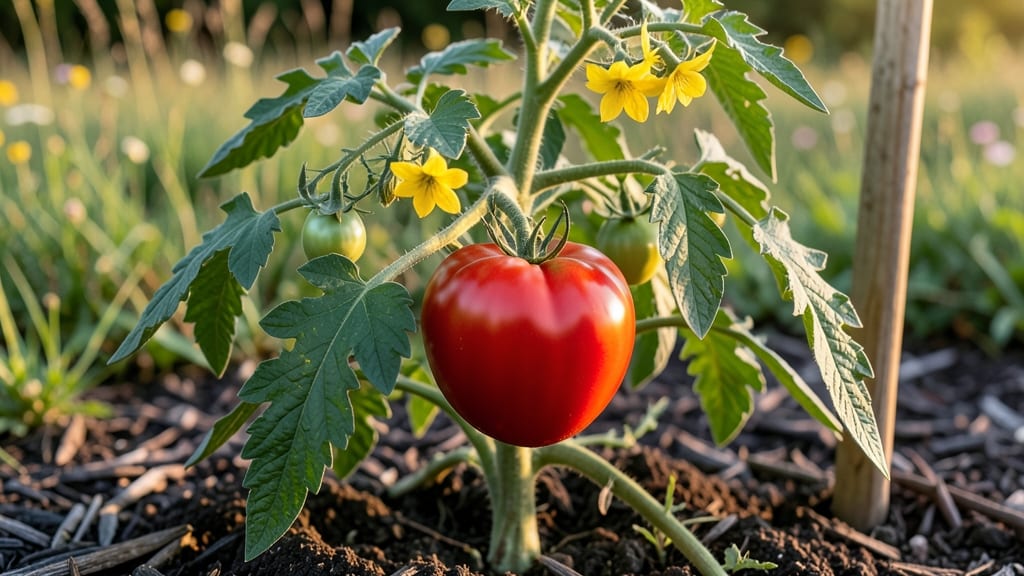
Growing a red beefsteak tomato plant means your garden will soon be heavy with 2-pound, meaty-sweet fruits that make every slice worth the wait. 🌱 I’ve grown these giants for years, and the key isn’t just patience—it’s matching their needs with the right soil, support, and care from day one.
These vines crave full sun (6-8 hours daily) and rich, well-draining soil mixed with compost. Skip the cheap potting mix—your beefsteaks deserve organic matter to fuel their growth.
A 6-foot cage or sturdy trellis saves your back (and your fence) from flopping vines, while regular pruning keeps energy focused on fruit production, not wild foliage. By midsummer, you’ll be harvesting deep-red, beefy tomatoes with juice so rich it stains your hands. The flavor?
A balance of sweetness and tang, perfect for sandwiches, sauces, or just eating straight off the vine. Just watch for blossom end rot (calcium fix!) and cracking (even watering helps).
Best of all, these plants thrive in containers or in-ground beds, making them perfect for small spaces or ambitious gardeners. Let’s get those seeds in the ground—or transplants in the hole—so you can taste success by August.
📚 In This Guide
- What you need
- Instructions
- Tips and common mistakes
- Wrapping up and next steps
What you need
- ● Red Beefsteak Tomato Seeds or Seedlings: 1–2 plants (or 10–20 seeds if starting from scratch)
- ● Choose heirloom or hybrid varieties like 'Brandywine,' 'Big Beef,' or 'San Marzano' for classic beefsteak flavor.
- ● Containers or Garden Bed: Option 1: 5-gallon pots (minimum) or larger containers (10+ gallons for better growth)
- ● Option 2: Raised beds (at least 12" deep) or in-ground plots with full sun (6–8+ hours/day)
- ● High-Quality Potting Mix: 1–2 bags of well-draining, organic potting mix (avoid garden soil—it compacts too easily!)
- ○ Optional: Mix in compost or worm castings (10–20%) for extra nutrients.
- ● Fertilizer: Balanced fertilizer (10-10-10) or tomato-specific fertilizer (follow package rates)
- ● Slow-release option: 1–2 cups of granular organic fertilizer (like bone meal or fish emulsion) at planting.
- ● Support System: Cage (5–6 ft tall) or stakes (6–8 ft bamboo/wooden)
- ● Alternative: Trellis or tomato tower for vertical growth (saves space!).
- ● Watering Supplies: Watering can or drip irrigation system (tomatoes hate soggy roots!)
- ● Mulch (straw or shredded leaves) to retain moisture and suppress weeds.
- ● Pruning shears (for shaping vines and removing suckers)
- ● Plant ties or soft twine (to secure vines to supports)
- ● pH test kit (ideal soil pH: 6.0–6.8)
- ● Shade cloth (30–50%) for hot climates (protects from sunscald)
- ● Row covers or netting (to deter pests like birds or hornworms)
Step-by-step guide to growing juicy red beefsteak tomatoes
Here's how I grow these massive, flavor-packed tomatoes—every step designed to maximize size and sweetness.
🌱 Step 1: Start Seeds Indoors for Early Vigorous Growth
Begin seeds 6-8 weeks before your last frost date in 72°F soil using a sterile seed-starting mix. I like to press seeds ¼ inch deep in 2-inch cells—deeper planting slows germination. Cover with a humidity dome to keep moisture consistent, but remove it immediately after 50% germination to prevent damping-off.
Place under grow lights (14-16 hours daily) within 2-4 inches of seedlings. You'll know light is perfect when stems stay thick and dark green, not leggy. After 3-4 true leaves appear, transplant to 3-inch pots to encourage root development.
☀️ Step 2: Harden Off and Transplant for Maximum Strength
Two weeks before outdoor planting, move seedlings outside for 1-2 hours daily, gradually increasing exposure. This toughens stems and prevents transplant shock. Choose a sunny spot with 6+ hours of full sun—Beefsteaks demand intense light to develop their signature size and flavor.
Dig holes twice as wide as the root ball but no deeper. Bury stems up to the first leaves—this encourages stronger root systems. Space plants 3-4 feet apart in rows 4-5 feet apart to allow airflow and prevent disease. Water deeply at transplanting to settle soil around roots.
🪴 Step 3: Support and Prune for Towering Vines
Install 6-foot cages or stakes immediately after transplanting. Beefsteaks grow 6-10 feet tall, so sturdy support is critical. I use wooden stakes wrapped with twine—this prevents cages from collapsing under fruit weight. Train the main stem along the support, pruning suckers (side shoots in leaf axils) to direct energy into fruit production rather than foliage.
Remove all suckers below the first flower cluster—these compete with fruit. Leave suckers above fruit to create additional branches. Prune yellow leaves regularly to improve airflow and reduce disease risk. You'll see larger, fewer fruits when you focus pruning here.
💧 Step 4: Water and Feed for Juicy, Heavy Tomatoes
Water deeply 1-2 times per week, aiming for 1-2 inches of water. Let soil dry 2-3 inches deep between waterings—consistent moisture prevents cracking. Mulch with 2-3 inches of organic mulch to retain moisture and suppress weeds. Avoid wetting leaves when watering to prevent fungal diseases like early blight.
Fertilize every 2 weeks with a balanced tomato fertilizer (10-10-10) after flowering begins. Switch to low-nitrogen, high-phosphorus (5-10-10) when fruits set to boost sugar development. You'll notice faster growth and darker green leaves within a week of proper feeding.
✂️ Step 5: Harvest and Store for Peak Flavor
Pick tomatoes when they're fully colored and slightly soft to the touch—this ensures maximum sweetness. Use pruning shears to avoid damaging stems. Beefsteaks ripen 70-85 days after transplanting, but watch for first color changes in late summer. Harvest every 2-3 days to encourage continuous production.
Store ripe tomatoes at room temperature for 3-5 days or refrigerate for up to 2 weeks (though flavor diminishes). For long-term storage, freeze whole or slice—just thaw and enjoy the juicy, meaty texture you've worked so hard to cultivate.
Tips & tricks for perfect red beefsteak tomatoes
These game-changing strategies will help you grow tomatoes that rival the biggest, juiciest varieties you've ever tasted.
Seed Starting Precision: The 6-8 week indoor starting window is non-negotiable for Beefsteaks—any shorter and you risk late-season plants that won't mature fully. I use a seedling heat mat set to 72°F to maintain consistent germination temperatures, which cuts germination time by nearly 25%. The ¼-inch depth is crucial—any deeper and you'll struggle with uneven sprouting.
Lighting Secret: Those 14-16 hours of grow light aren't just about duration—the distance matters too. Position lights 2-4 inches above seedlings and adjust as they grow. I notice seedlings develop thicker stems and darker green leaves when kept at this distance, which translates to stronger plants that handle transplanting like champs.
Transplanting Hack: When burying stems up to the first leaves in Step 2, think of it as creating a "root collar" that will generate additional roots. This technique gives you plants that look like they've been growing there for months rather than weeks. Also, I always water deeply after transplanting—not just a quick sprinkle—to help settle soil around those fragile new roots.
Pruning Strategy: The suckers below the first flower cluster are the real energy vampires—removing them early directs all nutrients to fruit development. I make this my priority every Tuesday and Friday because consistent pruning leads to those signature 2-pound tomatoes. And when you see those first flowers, mark the spot with a small flag so you don't accidentally prune above it later.
Pro Tips for Red Beefsteak Tomato Plant
- These game-changing strategies will help you grow tomatoes that rival the biggest, juiciest varieties you've ever tasted.
- Seed Starting Precision: The 6-8 week indoor starting window is non-negotiable for Beefsteaks—any shorter and you risk late-season plants that won't mature fully.
- Lighting Secret: Those 14-16 hours of grow light aren't just about duration—the distance matters too.
Frequently asked questions
Got questions about growing red beefsteak tomato plants? You’re not alone! Here are some of the most common queries—and their answers—to help you cultivate the juiciest, most rewarding tomatoes of the season.
How long does it take for a red beefsteak tomato plant to produce fruit?
A red beefsteak tomato plant typically takes 60–85 days from transplanting to harvest, depending on your climate and growing conditions. Early varieties may fruit sooner, while heirlooms (like classic beefsteaks) often take the full range. Pro tip: Start seeds indoors 6–8 weeks before the last frost to maximize your growing season!
When is the best time to plant red beefsteak tomatoes?
Plant after the last frost date in spring when soil temperatures reach at least 55°F (13°C). Beefsteaks thrive in warm weather and need full sun (6–8 hours daily). If your summers are short, opt for determinate varieties (bush types) for earlier harvests. Hot tip: Use black plastic mulch to warm soil faster!
Why aren’t my red beefsteak tomatoes ripening?
Blame cool nights, lack of sunlight, or overcrowding! Beefsteaks need consistent warmth (above 70°F/21°C during the day) to ripen. If temps drop, use row covers or move potted plants to a sunny spot. Also, check for blossom end rot (calcium deficiency) or pests like hornworms. Fix it: Add crushed eggshells to soil for calcium!
Can I grow red beefsteak tomatoes in containers? What size pot do I need?
Beefsteaks do well in 5-gallon containers or larger (bigger = more fruit). Use a balanced fertilizer and a cage or trellis for support. Ensure pots have drainage holes to prevent root rot. Bonus: Container growing extends harvests in urban areas!
Are red beefsteak tomatoes good for sauces, or are they better for slicing?
These tomatoes are legendary for slicing—their thick flesh and low water content make them ideal for sandwiches, burgers, and caprese salads. However, their low acidity means they’re not the best for sauces (they can taste bland). For sauces, pair them with San Marzano or Roma tomatoes for balance. Pro move: Use beefsteaks in bruschetta or fresh salsas!
What pests or diseases should I watch for with beefsteak tomatoes?
Common threats include:
- Hornworms: Devour leaves overnight—handpick them!
- Blossom end rot: Caused by uneven watering; mulch and calcium help.
- Early blight: Brown spots on leaves? Prune infected foliage and space plants for airflow.
- Aphids/whiteflies: Spray with soapy water or introduce ladybugs.
Preventative tip: Rotate crops yearly and avoid overhead watering to keep plants healthy!
Wrapping up and next steps
Growing a red beefsteak tomato plant is a rewarding journey that brings bold flavors and stunning vines to your garden or patio. With the right care—sunlight, support, and patience—you’ll soon be harvesting juicy, 2-pound beauties that make every bite worth the effort. 🌱✨
Ready to take the next step? Start by planting your seeds or seedlings this season and watch your garden transform into a lush, tomato-filled paradise. Whether you’re a seasoned gardener or a beginner, your first beefsteak tomato is just a few weeks (and a little love) away!