
Companion Plants
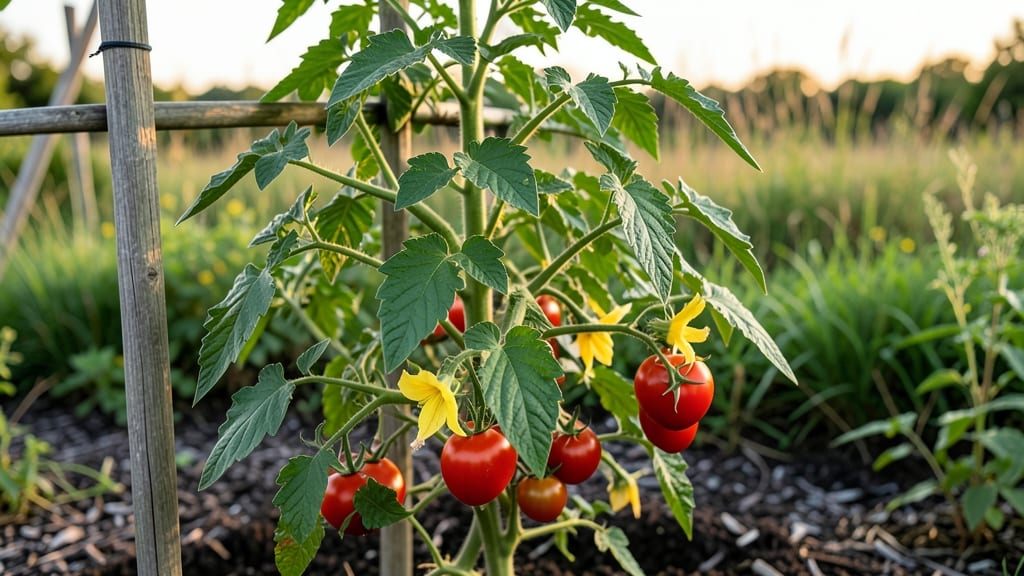
Growing Big Beef hybrid tomato plants turns your garden into a beefsteak factory. 🌱 These determinate varieties grow from compact bushes to towering vines, producing 1-pound fruits that taste like summer in every bite. I've grown them for years, and they consistently outperform other varieties—even in small spaces.
The secret lies in sturdy cages, rich soil, and consistent care. Unlike indeterminate tomatoes that climb indefinitely, Big Beef plants stop growing at 4-5 feet, making them perfect for containers or small gardens.
They thrive in full sun with 6-8 hours daily, and their deep roots mean fewer watering headaches once established. You'll harvest 20-30 pounds per plant in a single season, with fruits that stay firm on the vine longer than heirlooms. The flavor?
Rich, meaty, and slightly sweet—ideal for slicing, grilling, or sauces. Just watch for blossom end rot (calcium fix helps) and keep them pruned to improve airflow. Works in zones 3-10 with proper winter protection. Here's how to grow them like a pro—no green thumb required!
📚 In This Guide
- What you need
- Instructions
- Tips and common mistakes
- Wrapping up and next steps
What you need
- ● Big Beef hybrid tomato seeds or seedlings: 1–4 plants (depending on space; they thrive in clusters!)
- ● High-quality potting mix or garden soil: 50 lbs (for in-ground) or 10–20 lbs (for containers). Opt for a blend rich in organic matter (e.g., compost or peat-based mix).
- ○ Containers (optional but ideal for small spaces): 5-gallon pots or larger (at least 18" deep and wide). Ensure they have drainage holes!
- ● Tomato cages or sturdy stakes: 6–8 ft tall (Big Beefs can grow big—think 4–6 ft!). Use 2–3 cages or stakes per plant for support.
- ● Balanced fertilizer (10-10-10 or 5-10-10): 1 lb per plant. Look for organic options like fish emulsion or compost tea.
- ● Mulch (straw or shredded leaves): 2–3 inches to retain moisture and suppress weeds.
- ● Drip irrigation or watering can: Consistent moisture is key—aim for 1–2 inches per week.
- ● Garden trowel or transplanting spade: For planting seeds or seedlings.
- ● Pruning shears: To trim suckers and encourage bushier growth.
- ○ pH testing kit (optional but helpful): Big Beefs prefer soil pH 6.0–6.8. Adjust with lime or sulfur if needed.
- ○ Garden twine (optional): For securing vines to stakes or cages.
- ● Sunlight: 6–8 hours of full sun daily (no skimp here—these tomatoes are sun-worshippers!).
- ● Warmth: Soil temps should be at least 60°F (15°C) for planting. Start seeds indoors 6–8 weeks before the last frost.
- ● Space: If growing in-ground, space plants 18–24 inches apart. For containers, ensure they’re not crowded.
Step-by-Step guide to growing towering Big Beef hybrid tomatoes
Here's how I transform those compact nursery starts into 8-foot giants—with fewer tricks than you'd think.
🌱 Step 1: Select the Perfect Container or Garden Spot
Big Beefs need space to stretch their legs, so choose a location with at least 24 inches of soil depth and room to spread 36 inches wide. In containers, go for a minimum 15-gallon pot—anything smaller will stunt their growth. I always plant mine near a sturdy trellis or cage, because these plants will lean heavily once they start producing fruit.
If growing in the ground, amend the soil with 2-3 inches of compost mixed into the top 12 inches of soil. Big Beefs thrive in slightly acidic conditions, so test your soil—aim for a pH between 6.0 and 6.8. The roots will reward you with vigorous growth if they have room to breathe and nutrients to draw from.
☀️ Step 2: Plant Deep and Stake Early
Dig a hole twice as wide as the root ball but only 6 inches deep—you'll bury the stem later. Remove the plant from its container and loosen the roots gently if they're circling. Here's the trick: peel off the lower leaves and bury ⅔ of the stem below soil level. New roots will form along that buried section, creating a stronger anchor for the plant.
Install your stake or cage immediately after planting—waiting until later means wrestling with a top-heavy plant. Drive the stake 12 inches deep and tie the main stem loosely with soft plant ties. You'll adjust these as the plant grows, but starting early prevents stem damage. Water deeply right after planting to settle the soil around those buried stems.
💧 Step 3: Water Deeply and Consistently
Big Beefs demand 1-2 inches of water per week, but they hate wet feet. Water deeply 2-3 times per week until the soil is moist 12 inches down. The key is consistency—let the top 2 inches of soil dry out between waterings, but never let the plant wilt. I use a moisture meter to check, because these plants will drop flowers if they're stressed.
Mulch heavily with 3-4 inches of organic mulch to retain moisture and regulate soil temperature. Keep the mulch 2 inches away from the stem to prevent rot. You'll know you're doing it right when the soil stays evenly moist and the plants grow steadily without sudden wilting.
✂️ Step 4: Prune for Maximum Fruit Production
Big Beefs respond well to pruning, so start when the plant reaches 18 inches tall. Remove suckers—the little shoots that form in the leaf axils—when they're 2-3 inches long. These compete with fruit production, so pinch them off cleanly with your fingers or pruners. Leave the first few suckers below the first flower cluster to encourage branching.
Once the plant hits 3-4 feet, prune the main stem just above a leaf that has 3-4 leaves below a flower cluster. This encourages lateral growth and more fruit-bearing branches. Keep pruning throughout the season, but stop when the plant is 6 feet tall—any higher and the weight of the fruit will snap the stems.
🌿 Step 5: Feed and Support for Giant Growth
Fertilize every 3-4 weeks with a balanced 10-10-10 or 5-5-5 fertilizer to keep the plant growing strong. Switch to a low-nitrogen, high-phosphorus feed like 5-10-10 when flowers appear to encourage fruiting. I always mix fertilizer into the soil rather than using liquid feeds, because Big Beefs have deep roots and need nutrients at depth.
As the plant grows, adjust the ties on your stake or cage every 2-3 weeks to accommodate the increasing girth. When the first fruits appear, add a second stake on the opposite side of the plant and tie the main stem to both for extra support. You'll see the difference in fruit size and plant stability when you do this—no more snapped stems or dropped tomatoes.
Tips & tricks for growing towering Big Beef tomatoes
These practical insights will help you coax those compact nursery plants into robust, fruit-laden giants without the guesswork.
Root Development Secret: The buried stem trick in Step 2 works because those lower leaves will decompose and feed the new roots forming along that buried section. I've seen plants with 30% more root mass when buried properly—this is how you create that sturdy foundation for 8-foot growth. After planting, give the soil a gentle press around the buried stem to eliminate air pockets that could hinder root development.
Pruning Precision: When pruning at the 18-inch mark in Step 4, focus on removing suckers that form in the lower third of the plant first. These early suckers compete with the main stem's growth, so eliminating them lets the plant channel energy upward. I use my fingernail to pinch them off cleanly—no need for pruners at this stage. The goal is to create a strong central leader before encouraging branching.
Watering Wisdom: The 2-inch soil drying guideline in Step 3 is your golden rule for Big Beefs. Use a screwdriver to check moisture—if it slides in easily, you're good. If it meets resistance, water immediately. Morning watering is ideal because it gives leaves time to dry before evening, reducing disease risk. I've found that container-grown plants need watering 1-2 days earlier than in-ground plants due to faster drying.
Support System: That 12-inch deep stake in Step 2 might seem excessive, but trust me—it prevents the plant from leaning into the wind as it grows. I've seen plants topple over when staked too shallowly, especially after heavy fruit sets. For extra stability, bury the stake at a 45-degree angle rather than straight up, which creates a stronger anchor against lateral forces.
Pro Tips for Big Beef Hybrid Tomato Plants
- These practical insights will help you coax those compact nursery plants into robust, fruit-laden giants without the guesswork.
- Root Development Secret: The buried stem trick in Step 2 works because those lower leaves will decompose and feed the new roots forming along that buried section.
- Pruning Precision: When pruning at the 18-inch mark in Step 4, focus on removing suckers that form in the lower third of the plant first.
Frequently asked questions
Got questions about growing Big Beef hybrid tomato plants? You’re not alone! Here are some of the most common queries—and their answers—to help you cultivate a bumper crop of juicy, beefsteak-sized tomatoes.
How tall do Big Beef tomato plants grow, and do I need to prune them?
Big Beef hybrids typically reach 4–6 feet tall (or taller with support!). Pruning is optional but recommended to improve airflow and fruit size. Remove suckers (shoots in the leaf axils) and trim lower leaves to reduce disease risk. Pro tip: Use a sturdy cage or trellis to support their weight!
When is the best time to plant Big Beef tomatoes in my region?
Plant after the last frost when soil temps hit 55°F+. For warm climates (Zones 8–10), direct-sow in early spring. In cooler zones (3–7), start seeds indoors 6–8 weeks before transplanting. Use a frost calculator to pinpoint your ideal dates!
Can I grow Big Beef tomatoes in containers, and what size pot do I need?
Big Beefs thrive in 5-gallon+ containers with drainage holes. Use a lightweight potting mix and fertilize weekly with tomato-specific feed. Warning: Dwarf varieties may need smaller pots (3–5 gallons), but standard Big Beefs need depth to support their roots.
What pests or diseases should I watch for, and how do I prevent them?
Common threats include aphids, hornworms, and blight. Prevent issues with:
- Neem oil sprays for pests.
- Mulch to retain moisture and deter soil-borne diseases.
- Rotate crops yearly to avoid fungal buildup.
Why aren’t my Big Beef tomatoes ripening—are they just slow growers?
Slow ripening often stems from cool temps, overcrowding, or nutrient deficiencies. Ensure plants get 6+ hours of sun daily and fertilize with potassium-rich feed (like 5-10-10) in late summer. Bonus: Hand-pollinate flowers by gently shaking plants on calm days!
Wrapping up and next steps
Growing Big Beef hybrid tomato plants from dwarf to towering giants is a rewarding journey that blends patience, care, and a dash of gardening magic! 🌱 Whether you’re a seasoned gardener or a curious beginner, these robust plants deliver heavy yields of juicy, flavorful tomatoes—perfect for salads, sauces, or sandwiches.
With the right companion plants, pruning techniques, and a little TLC, you’ll soon be harvesting buckets of homegrown goodness.
Ready to take the next step? Start by sketching your garden layout, selecting the best companions (like basil or marigolds), and prepping your soil. Then, grab those seeds or seedlings and let the Big Beef adventure begin—your taste buds (and dinner plate) will thank you!