
How To
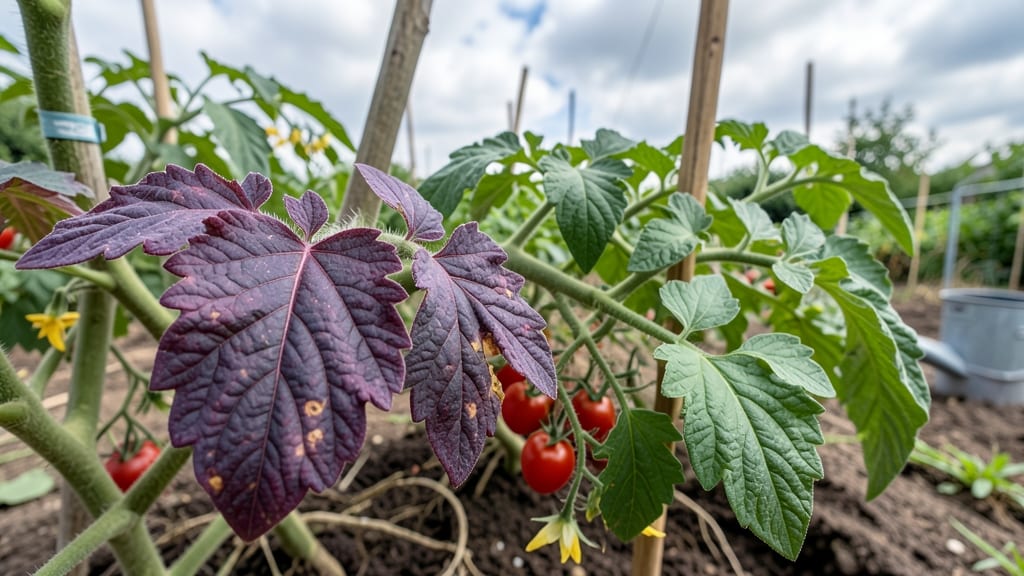
Purple tomato leaves mean your plants are screaming for help—and you can fix it fast. 🌱 I’ve seen this happen after a heatwave, overwatering, or even a simple nutrient imbalance, and the good news is most cases turn around in 24 hours with the right moves.
The key is acting quickly before the problem spreads to the fruit.
Most purple leaves start with one of three issues: phosphorus deficiency (common in fast-growing plants), magnesium shortage (often from overwatering), or environmental stress like sudden temperature swings. I’ve ruled out disease first—if the stems are mushy or leaves have spots, it’s a different fight.
But when it’s just color, the fix is usually simple: a balanced fertilizer, adjusted watering, or a quick soil check.
You’ll see the green return within a day if you catch it early—just mix in a handful of Epsom salt for magnesium, use a balanced 10-10-10 fertilizer for phosphorus, and cut back on watering if the soil’s soggy.
The best part? Once you fix it, your plants bounce back stronger, and you’ll spot future issues before they turn purple again.
If the problem keeps coming back after two fixes, it’s time to test your soil pH—tomatoes thrive between 6.0 and 6.8. A simple soil kit from the garden center will tell you if you need lime to raise pH or sulfur to lower it.
Most home gardeners solve this in a weekend, but if your whole garden looks off, a local extension office can help diagnose deeper issues.
Root Causes Of Leaf Discoloration
Understanding why your tomato leaves turn purple is the first step to fixing the issue. This color shift is usually a distress signal from your plant, often tied to environmental or nutritional stress. Let’s break down the most common culprits and why they trigger this response.
---
Tomatoes are heavy feeders, and when their nutritional needs aren’t met, leaves can turn purple as a cry for help. The most likely deficiencies include:
- Phosphorus Shortage 💡 Purple or reddish hues on older leaves often signal low phosphorus, a key nutrient for energy transfer and root growth. Phosphorus helps plants convert sugars and starches into usable energy—without it, leaves struggle to maintain their green chlorophyll.
Soil tests can confirm this, but a quick fix is applying a balanced fertilizer (10-10-10 or 5-10-10) or a bone meal (high in phosphorus) to the soil.
- Magnesium Deficiency 🌱 While less common than phosphorus issues, magnesium deficiency can also cause purple tinges, especially between leaf veins.
Magnesium is critical for chlorophyll production, and its absence leads to poor photosynthesis. Epsom salt (magnesium sulfate) sprinkled around the base of the plant and watered in can restore balance.
- Nitrogen Imbalance ⚖️ Too little nitrogen causes weak, pale growth, but too much can also stress plants, leading to purple undertones.
Nitrogen is vital for leafy growth, but excess can disrupt phosphorus uptake. Use a soil test to check levels—if nitrogen is high, reduce synthetic fertilizers and amend with compost to improve nutrient diversity.
---
Tomatoes are sensitive to their surroundings, and extreme conditions can trigger purple leaves as a survival response.
- Cold Stress ❄️ Tomatoes thrive in warm weather (60–85°F). When nighttime temperatures drop below 50°F, leaves may develop purple hues due to anthocyanin production—a natural antioxidant that protects cells from cold damage. If frost is in the forecast, use row covers or move potted tomatoes indoors temporarily.
- Water Stress: Too Much or Too Little 💦 - Overwatering can lead to root rot, cutting off nutrient uptake and causing purple discoloration. - Underwatering stresses the plant, forcing it to produce anthocyanins for protection. Check soil moisture—stick your finger 1–2 inches deep; if dry, water deeply.
Ensure pots have drainage holes, and mulch garden beds to retain moisture.
- High Salinity or Poor Drainage 🏗️ Compacted or salty soil (from fertilizers, irrigation water, or poor-quality amendments) can prevent roots from absorbing nutrients.
Purple leaves may appear if the plant can’t access phosphorus or other essential minerals. Flush the soil with water to leach out excess salts, and improve drainage with organic matter like compost or perlite.
---
Soil pH directly affects nutrient availability. Tomatoes prefer a slightly acidic to neutral pH (6.0–6.8). Outside this range, nutrients like phosphorus, iron, and manganese become "locked up," making them inaccessible even if they’re present in the soil.
- Alkaline Soil (pH > 7.0) 🧪 In high-pH conditions, phosphorus and micronutrients bind to soil particles, starving the plant. Test your soil with a kit or send a sample to a lab. If pH is too high, amend with sulfur or peat moss to lower it gradually.
- Acidic Soil (pH < 5.5) 🍋 While tomatoes tolerate slightly acidic soil, extreme acidity can leach essential nutrients like calcium and magnesium. Add lime (calcium carbonate) sparingly to raise pH if needed.
--- Sometimes, unseen threats like pests or pathogens drain a plant’s resources, leading to purple leaves as a secondary symptom.
- Viral or Fungal Infections 🦠 Diseases like early blight or tomato mosaic virus weaken plants, causing stunted growth and discoloration. Purple leaves may accompany yellowing or spotting. Remove infected plants immediately, and apply copper fungicide or neem oil preventatively.
- Root-Knot Nematodes or Aphids 🐜 These pests damage roots or sap, reducing the plant’s ability to absorb nutrients. Inspect roots for galls (root-knot nematodes) or check undersides of leaves for aphids. Rotate crops, use beneficial nematodes, or spray soapy water on aphids.
--- Pro Tip: 🔍 Rule out one cause at a time—test soil, check watering habits, and inspect for pests before jumping to conclusions. Purple leaves are rarely a single-issue problem, so patience and observation are key!
Fix Purple Tomato Leaves Fast
Purple tomato leaves can be a garden heartbreaker, but the good news? Most causes have quick fixes—even dramatic color shifts can often be reversed in 24 hours or less with the right care.
Below, we’ve broken down the most common triggers and their step-by-step solutions, plus pro tips to keep your plants thriving long-term.
---
Symptoms: Yellowing edges turning purple, soggy soil, wilting despite dampness.
How to Revive: 1. 🚰 Stop Watering Immediately - Purple leaves from overwatering are often a sign of root suffocation or nutrient leaching. Let the soil dry out completely before watering again.
2. 🌱 Improve Soil Aeration - Gently loosen the top 2–3 inches of soil around the base of the plant with a fork or trowel. This helps roots breathe. - Pro Tip: Mix in perlite or coarse sand (1 part to 3 parts soil) to boost drainage for future plantings.
3. ⏰ Monitor Moisture Levels - Stick your finger 2 inches deep into the soil. Water only when it feels dry. Purple leaves from overwatering usually fade within 12–24 hours once roots recover.
Prevent Relapse: - Use self-watering pots with drainage holes if container-growing. - Mulch with straw or wood chips to regulate moisture (but keep it 2 inches away from the stem).
---
Symptoms: Purple blotches on upper leaves, crispy edges, or leaves curling upward.
How to Revive: 1. 🌿 Provide Shade Temporarily - Move potted tomatoes to a 50% shade cloth or place them under a lightweight row cover for 2–3 days. Direct midday sun can scorch leaves in under an hour.
2. 💦 Hydrate Deeply (But Not Too Much) - Water early in the morning to reduce evaporation. Aim for 1–1.5 inches of water per week (check with a rain gauge). - Pro Tip: Use drip irrigation or soaker hoses to deliver water directly to roots, avoiding leaf burn.
3. 🍃 Trim Damaged Foliage - Snip off severely purple or crispy leaves with clean pruners. This redirects energy to healthy growth.
Prevent Future Stress: - Hardening off seedlings gradually before transplanting (expose to sun for 1–2 hours daily, increasing time over 1 week). - Choose heat-tolerant varieties like ‘Solar Fire’ or ‘Heatmaster’ if you live in a hot climate.
---
Symptoms: Deep purple veins or undersides of leaves, stunted growth, weak stems.
How to Revive: 1. 🧪 Test Your Soil - Grab a DIY soil test kit (or send a sample to a local extension office) to confirm deficiencies. Purple leaves often signal low phosphorus (P) or potassium (K).
2. 💊 Apply a Balanced Fertilizer - Quick Fix: Sprinkle bone meal (for phosphorus) or greensand (for potassium) around the base, then water deeply. - Slow Release: Switch to a 5-10-10 or 10-10-10 fertilizer (NPK ratio) for a steady nutrient boost.
3. 🍅 Feed with Organic Matter - Compost tea or fish emulsion (diluted to half-strength) provides a fast-acting nutrient punch. Apply every 7–10 days until leaves green up.
Prevent Deficiencies: - Side-dress tomatoes with compost every 3–4 weeks during the growing season. - Avoid over-fertilizing with nitrogen (like lawn fertilizer), which can worsen imbalances.
---
Symptoms: Purple spots or streaks, chewed edges, sticky residue (aphids), or fungal growth.
How to Revive: 1. 🔍 Identify the Culprit - Pests: Aphids, spider mites, or whiteflies leave sticky residue or tiny webs. - Disease: Early blight (purple/brown spots with yellow halos) or verticillium wilt (wilting + purple streaks).
2. 🚫 Remove Infested Leaves - Snip off heavily damaged foliage and dispose of it in the trash (not compost). This stops pests/diseases from spreading.
3. 🛡️ Apply Targeted Solutions - For Pests: - Neem oil spray (1 tsp neem oil + 1 tsp mild soap per quart of water).
Spray early morning or evening to avoid burning leaves. - Introduce beneficial insects like ladybugs or lacewings. - For Fungal Issues: - Baking soda spray (1 tsp baking soda + 1 quart water + few drops of soap).
Spray every 5–7 days until new growth appears. - Copper fungicide for severe cases (follow label instructions).
Prevent Future Outbreaks: - Rotate crops yearly to break disease cycles. - Water at the base (not overhead) to reduce fungal spores. - Prune for airflow—remove lower leaves to improve circulation.
---
Symptoms: Purple leaves after cold snaps or late frost, or sudden heat waves.
How to Revive: 1. 🛡️ Protect from Cold - Cover plants with frost blankets or old bedsheets if temperatures dip below 50°F (10°C). - Pro Tip: Use black plastic mulch in spring to warm soil faster.
2. 🌿 Shield from Heat Stress - Shade cloth (30–50%) can lower leaf temps by 10–15°F. - Mist leaves lightly in extreme heat (early morning only to avoid fungal risk).
3. 🍃 Gradually Acclimate - If moving plants outdoors, harden them off over 7–10 days to avoid shock.
Prevent Temperature Shock: - Plant in late spring after the last frost date in your zone. - Choose cold-hardy varieties like ‘Mountain Merit’ if you have short seasons.
--- Final Pro Tip: 💡 Don’t panic if leaves stay purple for 24–48 hours—roots and new growth often bounce back faster than foliage. Focus on consistent care (water, nutrients, and protection), and your tomatoes will reward you with vibrant green leaves and juicy fruit in no time!
Frequently asked questions
Why are my tomato leaves turning purple but the rest of the plant looks healthy?
This is often a sign of nutrient imbalance or environmental stress. Purple leaves on otherwise healthy plants usually mean phosphorus deficiency (common in fast-growing varieties) or magnesium shortage. Check soil moisture too—overwatering can wash away nutrients, while underwatering forces plants to produce protective anthocyanins. Try a balanced fertilizer (10-10-10) or Epsom salt for magnesium.
Can I still harvest tomatoes if the leaves turn purple?
Yes! Purple leaves rarely affect fruit quality, but focus on quick fixes to prevent spread. The plant will redirect energy to ripening tomatoes. Just avoid harvesting from stressed plants if they show other symptoms like wilting or spotting. With proper care, new leaves should return green within 24–48 hours.
Will compost fix purple tomato leaves caused by nutrient deficiency?
Compost helps, but it’s not an instant fix for severe deficiencies. While it improves soil structure and provides slow-release nutrients, purple leaves from phosphorus or magnesium shortages need direct amendments. Mix in bone meal (for phosphorus) or Epsom salt (for magnesium) alongside compost for faster results.
How do I tell if purple leaves are from cold stress vs. nutrient deficiency?
Cold stress causes purple hues on younger leaves and often appears after temperature drops below 50°F. Nutrient deficiencies (like phosphorus) affect older leaves first and may show purple along veins. Check soil temperature—if it’s cold but dry, it’s likely stress. If soil is damp, it’s probably a deficiency or overwatering.
Can I use regular table salt to fix purple leaves?
No! Table salt is too harsh and will damage roots. For nutrient issues, use Epsom salt (magnesium sulfate) or bone meal instead. If you suspect salinity problems (from poor-quality water or over-fertilizing), flush the soil with clean water to leach out excess salts. Purple leaves from salinity won’t improve until you correct drainage.