
How To
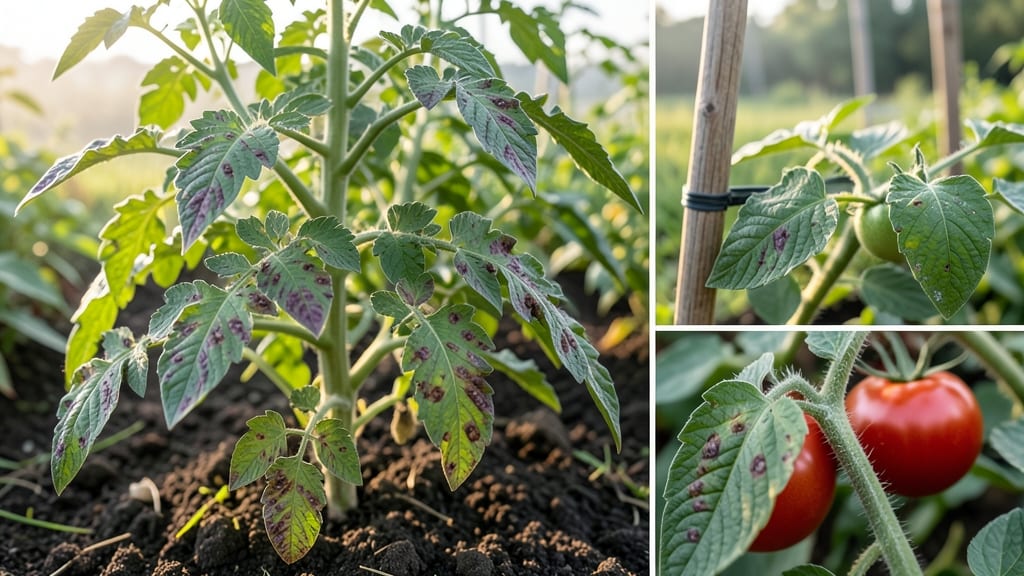
Those purple spots on your tomato leaves aren’t just unsightly—they’re a red flag your plants are fighting something serious. 🌱 I’ve seen this turn into a full-blown blight disaster when ignored, but the good news?
You can stop it fast with the right moves. The first step is figuring out what’s causing those telltale marks—whether it’s a nutrient imbalance, fungal infection, or something else entirely.
Most of the time, purple spots mean phosphorus overload or early blight creeping in. Too much fertilizer can burn leaves, while fungal diseases thrive in damp conditions. The key is acting before the spots spread to the stems or fruit.
Start by checking your soil pH and cutting back on phosphorus-heavy fertilizers—your tomatoes might just need a break from the heavy feeding.
Once you’ve ruled out nutrient issues, focus on fungal control. Prune infected leaves immediately (don’t compost them!), space plants for better airflow, and water at the base—not overhead.
For stubborn cases, a copper fungicide or baking soda spray can be a game-changer. Within a week, you’ll see the damage slow down if you catch it early.
Prevention is where it gets easy: rotate crops yearly, avoid overhead watering, and pick up fallen leaves to stop spores from spreading. My tomatoes stay spot-free now because I treat this like a season-long game of defense—not a reactionary scramble. Let’s get those plants back to thriving!
Root Causes Of Leaf Discoloration
Purple spots on tomato leaves aren’t just a cosmetic issue—they’re often a cry for help from your plants. Understanding the why behind these discolored patches is the first step to saving your harvest.
Below, we break down the most common triggers, backed by science, so you can diagnose the problem like a pro.
Tomatoes thrive in warm, consistent temperatures (65–85°F)—but push them too far, and their leaves scream for mercy. Purple spots often appear when:
- Cold snaps (below 50°F) disrupt chlorophyll production, causing anthocyanin buildup (the pigment behind purple hues).
- Excessive heat (above 90°F) scalds leaves, leading to sunscald—purple or brown patches on sun-exposed sides.
- Inconsistent sunlight (like shade from nearby plants) forces leaves to overcompensate, weakening their structure.
Actionable fix: Use row covers for early-season protection or shade cloth in scorching climates. Mulch with straw to regulate soil temps.
Water stress is a top culprit for purple spots, but the damage looks different depending on the offense:
| Issue | Symptoms | Why It Happens |
|---|---|---|
| Underwatering | Purple edges, crispy leaves | Cells dehydrate, triggering osmotic stress and anthocyanin production. |
| Overwatering | Yellowing between veins, purple blotches | Root rot (from Phytophthora or Fusarium) starves leaves of nutrients, causing discoloration. |
| Inconsistent watering | Spotted purple patches | Fluctuating moisture confuses the plant, leading to oxidative damage in leaves. |
Actionable fix:
- Drip irrigation (1–1.5 inches per week) keeps moisture even.
- Test soil moisture with your finger—top 1–2 inches should stay dry between waterings.
- Avoid wetting leaves (use soaker hoses) to prevent fungal infections that mimic purple spotting.
Purple spots can signal fungal blights, which thrive in damp conditions. The two most notorious offenders:
- **Early Blight (Alternaria solani)
- Science behind it: The fungus clogs stomata (leaf pores), blocking gas exchange and causing necrotic (dead) tissue to turn purple from stress.
- Spreads via: Wind, water splashes, and contaminated soil.
Actionable fix:
- Remove infected leaves immediately (don’t compost them—bag and trash).
- Apply copper fungicide (like Bordeaux mixture) at first sign of spots.
- Space plants 18–24 inches apart for airflow and water at soil level (never overhead).
Purple spots can also scream "feed me!" when tomatoes lack key nutrients. Here’s the breakdown:
- Phosphorus Deficiency (P)
- Why? Phosphorus fuels ATP production—without it, energy pathways stall, and anthocyanins (stress pigments) ramp up.
- Fix: Side-dress with bone meal or use a balanced 10-10-10 fertilizer.
Some pests physically damage leaves, triggering purple spots as a stress response:
- Spider Mites 🕷️
- Fix: Blast off with water or use neem oil (miticide).
Herbicides, pesticides, or even over-fertilizing can cause chemical burns, manifesting as purple spots.
- Symptoms: Random purple patches (often on one side of the plant), no fungal growth.
- Common culprits:
- Excessive nitrogen (burns roots, starving leaves).
- Salt buildup (from tap water or synthetic fertilizers).
How to Fix Purple Spots Fast
Once you’ve identified the cause of those unsightly purple spots on your tomato leaves, it’s time to act! The good news? Most issues are treatable with simple, garden-friendly solutions.
Below, we’ve mapped the most common causes to practical fixes—plus prevention tips to keep your plants thriving. Let’s get your tomatoes back on track!
Fungal infections are the #1 culprit behind purple or brown spots on tomato leaves. Here’s how to stop the spread and revive your plants:
🔥 Remove Infected Leaves Immediately
- How: Snip off any leaves with spots (including stems) using sterilized pruners (wipe with rubbing alcohol between cuts).
- Why: Fungi spread via spores—removing infected foliage cuts off the infection source.
- Pro Tip: 💡 Don’t compost infected leaves.
Toss them in the trash (or burn them if possible) to prevent reinfection.
🍳 Apply Fungicide Sprays (Organic or Chemical)
| Option | How to Use | Best For |
|---|---|---|
| Neem Oil Spray | Mix 1 tbsp neem oil + 1 tsp mild soap + 1 quart water. Spray evenly on both leaf sides at dusk. Repeat every 7–10 days. | Early-stage infections, prevention |
| Copper Fungicide | Follow package instructions (usually 1–2 tbsp per gallon of water). Spray weekly until spots disappear. | Severe blight, wet climates |
| Baking Soda Solution | Mix 1 tbsp baking soda + 1 quart water + a few drops of soap. Spray leaves only (avoid fruit). | Mild fungal spots, organic gardens |
👨🍳 Improve Airflow & Watering Habits
- Space plants at least 18–24 inches apart to reduce humidity buildup.
- Water at the base (not overhead) and early in the day so leaves dry quickly.
- Mulch with straw or grass clippings to prevent soil splash onto leaves.
🌡️ Boost Plant Immunity
- Feed with compost tea or a balanced fertilizer (10-10-10) to strengthen leaves.
- Avoid nitrogen-heavy fertilizers—they promote lush growth but weaken disease resistance.
Purple or reddish spots can signal a nutrient imbalance. Here’s how to diagnose and fix it:
📊 Soil Test First (If Possible)
- Grab a DIY soil test kit (or send a sample to a local extension office) to confirm deficiencies.
- Quick fix: If testing isn’t an option, amend soil with:
- Epsom salt (magnesium): 1 tbsp per gallon of water, spray on leaves weekly for 2–3 weeks.
- Banana peel tea (potassium): Simmer peels in water for 30 mins, strain, and water plants.
- Bone meal (phosphorus): Sprinkle 1 tbsp per plant and water in.
🥗 Adjust Fertilizer Routine
- Stop high-nitrogen fertilizers (like blood meal) if leaves are purple with yellow veins—this often means magnesium deficiency.
- Switch to a balanced or phosphorus-rich fertilizer (e.g., 5-10-10) if spots appear dark purple and crispy.
Tiny pests can cause purple stippling or discoloration as they feed. Smother them fast with these methods:
🔪 Blast Off Pests with Water
- How: Use a strong hose spray to knock off mites/aphids (do this early morning).
- For stubborn pests: Repeat every 2–3 days until gone.
🌿 Natural Pest Deterrents
- Neem oil spray (same recipe as above) smothers eggs and adults.
- Insecticidal soap: Mix 2.5 tbsp castile soap + 1 quart water, spray directly on pests.
- Release beneficial insects: Ladybugs, lacewings, and predatory mites devour aphids and thrips.
🎯 Prevent Future Infestations
- Yellow sticky traps catch flying pests like whiteflies.
- Row covers (lightweight fabric) block pests before they arrive.
- Diatomaceous earth (DE): Sprinkle food-grade DE around plant bases (reapply after rain).
If spots appear suddenly with no other symptoms, environmental factors might be to blame.
🌞 Shield from Extreme Sun
- Move plants to partial shade (especially in afternoon heat).
- Use shade cloth (30–50% coverage) if temps exceed 90°F (32°C).
🌡️ Protect from Cold Snaps
- Cover plants with frost cloth if temps drop below 50°F (10°C).
- Mulch heavily to insulate roots.
✨ Recovery Tips
- Trim severely damaged leaves to redirect energy to healthy growth.
- Water deeply to help plants recover from stress.
Stop purple spots before they start with these proactive habits: ✅ Rotate crops—never plant tomatoes (or nightshades) in the same spot two years in a row. ✅ Sterilize tools between plants to avoid spreading disease. ✅ Start with disease-resistant varieties (e.g., ‘Mountain Merit,’ ‘Celebrity,’ or ‘Defiant PhR’). ✅ Monitor plants weekly—catch spots early for easier treatment. ✅ Improve drainage—fungi love soggy soil.
Raise beds or add compost to heavy clay.
Remember: The key to blight-free tomatoes is speed + consistency. Act at the first sign of spots, and your plants will bounce back stronger! 🍅💪
Frequently asked questions
Why do my tomato leaves turn purple in patches instead of all over?
Patchy purple discoloration usually indicates a localized stress response. Fungal infections like early blight often start on lower leaves first, while nutrient deficiencies (like phosphorus toxicity) may appear on newer growth. Environmental factors like sunscald create purple spots only on sun-exposed sides. The key is checking for patterns—are spots concentrated on certain leaves or areas?
Can I still harvest tomatoes if the leaves have purple spots?
Yes, but monitor the fruit closely! Purple spots on leaves rarely spread to tomatoes unless the infection is severe (like advanced blight). Remove heavily infected leaves immediately, and continue proper care. If spots appear on stems or fruit, harvest those tomatoes right away—they won't worsen but may have reduced quality.
How often should I spray neem oil for purple spots?
Start with a weekly spray for 2-3 weeks to break fungal cycles, then switch to every 10-14 days as prevention. Apply at dusk when pests are active but before humidity peaks. For severe cases, combine with copper fungicide (alternate days). Always use a light oil like neem—it won't harm beneficial insects if applied correctly.
Will compost tea really help purple spots caused by nutrient deficiencies?
Compost tea provides a balanced nutrient boost while improving soil microbial activity—key for magnesium and potassium uptake. For fast results, mix 1 cup compost tea + 1 tbsp Epsom salt in a gallon of water and foliar spray weekly. The organic matter also helps break down excess phosphorus that might be causing toxicity.
My tomato plants had purple spots last year but seem fine now. Should I still take preventive measures?
Definitely! Fungal spores can survive in soil for years, and pests often return. Start with crop rotation (don't plant tomatoes in the same spot), use resistant varieties, and apply preventive sprays (like neem oil) every 4-6 weeks. Healthy plants are your best defense—focus on proper spacing, mulching, and avoiding overhead watering.