
Vegetables
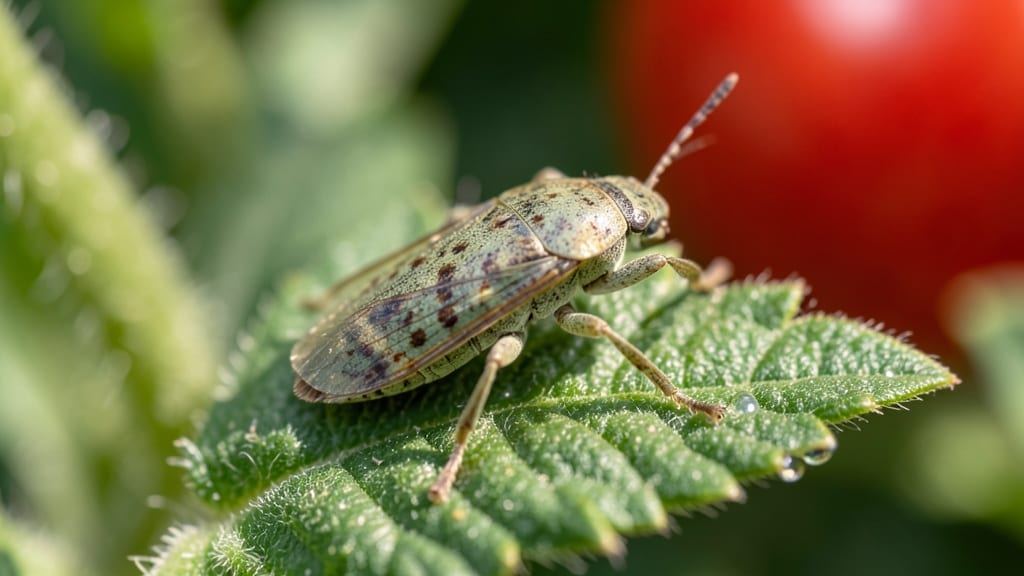
Seeing a picture of a tomato bug on your plants isn’t just creepy—it’s a sign your harvest is at risk. 🌱 I've spent years tracking these pests, and the first step to saving your tomatoes is knowing exactly what you're dealing with.
From tiny aphids to massive hornworms, each one leaves a different kind of damage, and spotting them early makes all the difference.
The most common tomato pests include hornworms (green caterpillars with white stripes), aphids (tiny green or black bugs clustered on leaves), and spider mites (almost invisible until they weave fine webs).
Each one attacks differently—hornworms devour leaves overnight, aphids drain sap and leave sticky residue, and spider mites create a dusty film on undersides. Knowing their habits helps you catch them before they ruin your crop.
You'll learn to identify these pests by their size, color, and the damage they leave behind—no magnifying glass required. Once you spot them, simple fixes like handpicking, soapy water sprays, or introducing beneficial insects can turn the tide. The key is acting fast before they multiply beyond control.
This guide covers the most destructive tomato pests, their life cycles, and quick fixes to protect your plants. For deeper solutions, I’ll link to full pest management strategies tailored to each bug. Let’s get your tomatoes back on track!
Common Causes of Tomato Bug Infestations
If you’ve spotted an unexpected visitor on your tomato plants—whether it’s a hornworm munching leaves, aphids clustering on stems, or whiteflies fluttering in the air—you’re not alone. These pests don’t just appear out of nowhere.
Several key factors attract them to your garden, often turning your lush tomato plants into an all-you-can-eat buffet. Understanding these triggers can help you take proactive steps to protect your harvest.
Tomato plants under stress—whether from poor spacing, nutrient deficiencies, or disease—become prime targets for pests. When plants are crowded, airflow is restricted, creating a damp, humid environment that pests like fungus gnats and whiteflies love.
Additionally, nutrient-deficient plants (especially lacking nitrogen or potassium) produce weaker foliage, making them easier for chewers like tomato fruitworms to invade.
Why it happens:
- Poor airflow increases humidity, encouraging fungal diseases and attracting moisture-loving pests.
- Weak stems and leaves are easier for pests to penetrate, and stressed plants release volatile organic compounds (VOCs) that signal distress to herbivorous insects.
- Slow recovery from damage means pests have more time to multiply before you notice.
Actionable fix: Space tomato plants 18–24 inches apart, prune lower leaves for better airflow, and fertilize with a balanced 10-10-10 or 5-10-10 NPK ratio to boost plant resilience. Mulch with straw or grass clippings to retain moisture without suffocating roots.
Pests thrive in clutter. Old plant debris, fallen leaves, and even weeds around your tomato patch create hiding spots for eggs, larvae, and adult insects.
For example, colorado potato beetles overwinter in garden litter, while aphids lay eggs on weeds like dandelions and nettles—both of which can reinfest your tomatoes when conditions improve.
Why it happens:
- Debris provides shelter from predators (like birds or ladybugs) and harsh weather.
- Weeds act as alternative hosts, allowing pests to build populations before moving to your tomatoes.
- Old plant material retains moisture, creating ideal conditions for egg-laying.
Actionable fix:
- ✅ Clear debris regularly—remove fallen leaves, pruned stems, and weeds within a 3-foot radius of your tomato plants.
- ✅ Rotate crops annually to disrupt pest life cycles (avoid planting tomatoes or nightshades in the same spot every year).
- ✅ Use row covers early in the season to block adult pests from laying eggs.
Many tomato pests—like aphids, spider mites, and whiteflies—are kept in check by beneficial insects such as ladybugs, lacewings, and parasitic wasps. However, if your garden lacks biodiversity (e.g., no flowers for pollinators or shelter for predators), these natural defenses weaken, allowing pests to explode in numbers.
Why it happens:
- Monoculture gardens (planting only tomatoes) eliminate habitat diversity, reducing predator populations.
- Pesticide use (even organic sprays) can kill beneficial insects along with pests, creating a vacuum that pests rush to fill.
- Lack of nectar sources (like marigolds or basil) starves predator adults, preventing them from reproducing.
Actionable fix:
- 🌼 Plant companion flowers like marigolds, alyssum, or dill to attract predatory wasps and hoverflies.
- 🐞 Avoid broad-spectrum pesticides—opt for targeted sprays (e.g., neem oil for soft-bodied pests) or handpick pests early.
- 🏡 Install insect hotels or leave leaf litter in undisturbed corners to support ground beetles and spiders.
Pests like hornworms, whiteflies, and spider mites thrive in hot, dry conditions, while aphids and fungus gnats prefer cool, humid environments. Extreme weather—whether prolonged heatwaves or unpredictable rains—can also stress plants, making them more susceptible to infestations.
Why it happens:
- Heat and drought weaken plant defenses, increasing sugar content in leaves (which attracts sap-sucking pests like aphids).
- High humidity slows down natural predator activity (e.g., ladybugs become less active in wet conditions).
- Sudden temperature swings can shock plants, making them more attractive to egg-laying pests.
Actionable fix:
- 💧 Mulch heavily to retain soil moisture and regulate temperature.
- 🌧️ Use shade cloth (30–50%) during peak summer to reduce stress on plants.
- 🌿 Water deeply in the morning to encourage strong root growth and deter fungus gnats.
By addressing these root causes, you can dramatically reduce the likelihood of tomato bug infestations. The key is proactive garden maintenance—keeping plants healthy, monitoring early signs of pests, and fostering a balanced ecosystem where nature does the heavy lifting for you! 🚀
Kick Those Tomato Bugs Out
Got an unwelcome visitor munching on your tomato plants? 🍅🐛 Don’t panic—here’s how to tackle the most common tomato pests with practical, no-fuss solutions. We’ll break down fixes by cause, so you can act fast and keep your garden thriving.
---
Problem: These green bandits strip leaves and fruit overnight. A single hornworm can defoliate a plant in days!
Fix: - 🔪 Handpick & Squish 👨🍳 - Scout plants at dawn or dusk (hornworms hide during the day). - Drop them in soapy water—no mercy for these leaf-eaters! - Pro tip: 💡 Check the undersides of leaves where they camouflage.
- 🐛 Natural Predators - Invite parasitic wasps (they lay eggs in hornworms—nature’s pest control!). - Attract ladybugs and praying mantises with diverse plantings (like dill or marigolds).
- 🌱 Prevention - Rotate crops yearly to disrupt their lifecycle. - Plant basil near tomatoes—its scent repels hornworms.
---
Problem: Tiny, clustered pests that suck sap, leaving sticky residue ("honeydew") and attracting mold.
Fix: - 💦 Blast Them Off - Spray plants with a strong stream of water (aphids hate this!). - Repeat every 2–3 days until gone.
- 🌿 Homemade Spray - Mix 1 tsp mild dish soap + 1 quart water in a spray bottle. - Test on a small leaf first—soap can burn plants if too concentrated.
- 🐝 Encourage Beneficial Bugs - Ladybugs and lacewings devour aphids. Buy them online or attract them with neem oil (spray lightly at dusk).
- 🌡️ Prevention - Remove weeds (they harbor aphids). - Yellow sticky traps catch them before they multiply.
---
Problem: Almost invisible, but they weave webs and cause stippled, yellowing leaves.
Fix: - 🌧️ Water Wisely - Spider mites hate humidity. Water plants thoroughly (especially undersides) to wash them off.
- 🧴 Neem Oil Treatment - Mix 1 tbsp neem oil + 1 tsp mild soap + 1 quart water. Spray every 5–7 days until mites vanish.
- 🕸️ Predatory Mites - Release phytoseiulus persimilis (a mite-eating mite)—they’re tiny but effective!
- 🎯 Prevention - Avoid over-fertilizing (weak plants attract mites). - Prune crowded foliage for better airflow.
---
Problem: Tiny white moths that cluster on undersides, weakening plants and spreading viruses.
Fix: - 🕯️ Yellow Sticky Traps - Hang yellow cards coated with petroleum jelly near plants—they’ll get stuck!
- 🌿 Kaolin Clay Spray - Mix 1 cup kaolin clay + 1 gallon water. Spray plants to create a barrier they hate.
- 🌿 Soap Spray (Again!) - 1 tsp castile soap + 1 quart water—spray directly on undersides where they hide.
- 🌱 Prevention - Inspect new plants before bringing them home (whiteflies hitchhike!). - Remove infected leaves immediately.
---
Problem: These caterpillars chew stems at soil level, toppling young tomato plants.
Fix: - 🔦 Night Patrol - Shine a flashlight at dusk—cutworms will curl up. Pick them off or drop them in soapy water.
- 🧶 Collar Barrier - Wrap cardboard or aluminum foil around stems (3–4 inches deep) to block their bites.
- 🌿 Diatomaceous Earth - Sprinkle food-grade DE around the base of plants. It’s harmless to you but deadly to worms.
- 🌱 Prevention - Avoid mulching too close to stems (they hide underneath). - Plant basil or garlic nearby—they repel cutworms.
--- - 🌱 Healthy Soil = Strong Plants - Compost-rich soil makes tomatoes resilient to pests. - 🌿 Companion Planting - Marigolds, nasturtiums, or onions deter many tomato pests naturally. - 🕰️ Stay Vigilant - Check plants daily—early action stops small problems from becoming big ones!
--- Remember: Most tomato pests are manageable with patience and prevention. Skip the chemicals—nature’s got your back! 🌿💪
Frequently asked questions
What's the easiest way to identify a tomato pest without a magnifying glass?
Look for three key clues: leaf damage patterns, bug size/color, and where they hide. Hornworms leave large, jagged holes and hide on leaf undersides, while aphids create sticky honeydew on stems. Spider mites? Check for fine webbing between leaves. Most pests are visible with the naked eye if you examine plants at dawn or dusk.
Can I use the same treatment for all tomato bugs?
No—different pests need different approaches. Soft-bodied bugs (aphids, mites) respond to soapy water sprays, while chewing pests (hornworms) need handpicking. Whiteflies require yellow sticky traps or kaolin clay. Always identify first! The "one-size-fits-all" approach often fails and can harm beneficial insects.
Why do tomato bugs seem to appear overnight?
Most tomato pests have rapid life cycles. A single female can lay hundreds of eggs that hatch in days—especially in warm weather. Hornworms go from egg to adult in just 3-4 weeks, while aphids reproduce asexually (no males needed!). Regular inspections (every 2-3 days) catch them before they explode in numbers.
Are there any tomato varieties that naturally repel pests?
Yes! Cherry tomato varieties like 'Sweet Million' or 'Tiny Tim' are less attractive to many pests due to their smaller size and different flavor profile. Other resistant options include 'Mountain Merit' (blight-resistant) and 'Defiant PhR' (phytophthora-resistant). While no variety is pest-proof, these choices reduce your workload significantly.
What's the fastest way to stop a tomato bug infestation from spreading?
Isolate infected plants immediately, then remove all visible pests by hand (drop in soapy water). For clustered bugs (aphids/whiteflies), use a strong water spray to knock them off. Apply neem oil as a barrier spray, and check neighboring plants—these pests don't travel far but multiply quickly.