
Planting
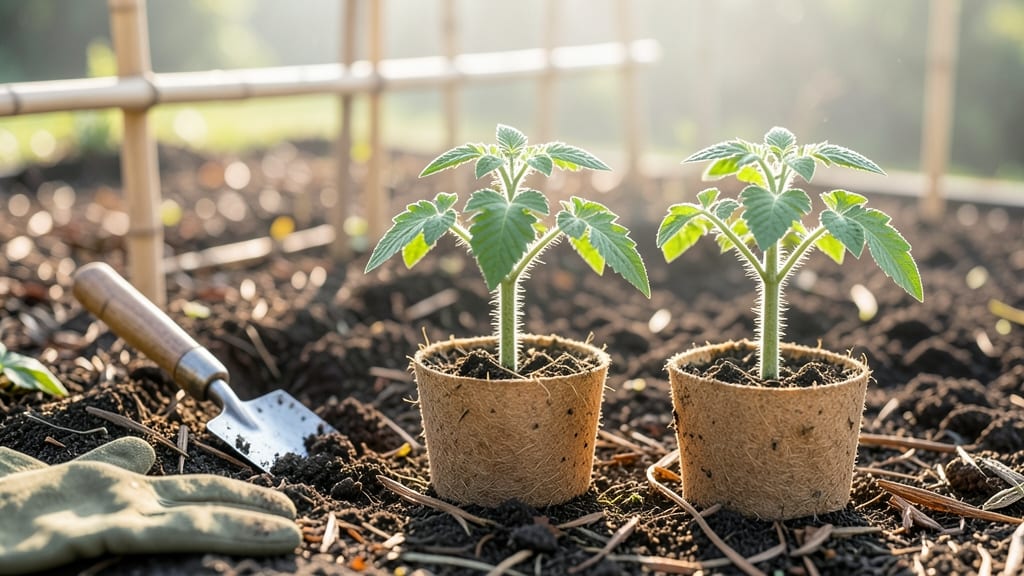
Planting organic tomato transplants after your last frost date is critical, with warm varieties (4-6 feet) needing 2-3 weeks before frost and taller types (6+ feet) requiring 3-4 weeks. Opt for disease-resistant heirlooms or hybrids that match your climate for the best organic harvests.
Timing your organic tomato transplants depends on both your USDA zone and the specific variety's growth habits. 🌱 Most tomato plants need soil temperatures above 60°F to establish strong roots, which is why waiting until after frost is essential.
Coastal areas often have milder springs, allowing for earlier planting, while inland zones may need to wait longer to avoid late frosts.
I've found that using a soil thermometer helps track when conditions are truly ready—don't rush the process, as cold soil can stunt growth and make plants more susceptible to disease.
For organic certification, selecting the right varieties matters just as much as timing.
Disease-resistant hybrids like 'Mountain Merit' or 'Defiant PhR' are excellent choices for organic gardens because they naturally resist common issues like fusarium wilt and verticillium. Indeterminate varieties (which grow continuously) need extra support and longer growing seasons, while determinate types (bush varieties) mature faster but produce all their fruit at once.
Hardening off your transplants for 7-10 days before planting—gradually exposing them to outdoor conditions—helps them adjust and reduces transplant shock.
💡 In This Article
- USDA Zone Planting Timeline for Organic Tomatoes
- Selecting Organic Tomato Varieties by Height and Growth Habits
USDA Zone planting timeline for organic tomatoes
The USDA zone system divides North America into 11 zones based on average minimum winter temperatures, but for organic tomato transplants, it's the last spring frost date that truly matters. Here's what's actually happening: Tomato plants are tropical and can't tolerate temperatures below 50°F for extended periods.
Their roots need soil temperatures above 60°F to establish properly, which is why timing matters so much.
In Zones 3-5, where frosts can linger until late May or early June, you'll need to wait until 3-4 weeks before your average last frost date—this gives the soil time to warm up and reduces the risk of a surprise freeze.
For Zones 6-8, the window shifts earlier—typically 2-3 weeks before frost—because soil warms faster in these milder climates. Coastal areas in these zones often have even earlier planting times due to the ocean's moderating effect on temperatures.
For example, in Zone 8 along the Pacific Northwest coast, you might plant as early as mid-March, while inland areas could wait until mid-April.
The key factor is soil temperature: Use a soil thermometer to confirm it's consistently above 60°F for at least a week before transplanting. 🌡️ Cold soil slows root growth, making plants more vulnerable to disease—a major concern in organic gardening.
What most people don't realize is how regional microclimates can shift these timelines dramatically. Inland valleys often experience later frosts than surrounding hills due to cold air pooling, while urban areas with concrete can stay warmer.
For organic growers, this means checking local weather records and even consulting nearby organic farms for real-world planting data. The USDA's Plant Hardiness Zone Map is a starting point, but your actual last frost date might vary by 1-2 weeks from the average—always err on the side of caution.
Frost risk is the silent enemy of tomato transplants. A light frost (28-32°F) can damage leaves, while a hard frost (28°F or below) will kill plants outright.
In Zones 9-10, where frosts are rare, you can plant as early as February, but even here, nighttime temperatures below 55°F can stunt growth. Organic growers often use row covers or cold frames to extend the season, but these should be removed during the day to prevent overheating.
The goal is to give your transplants a 2-3 week head start before full exposure to outdoor conditions.
Here's a practical tip: If you're in Zone 5 or colder, consider starting your transplants indoors 6-8 weeks before your last frost date to give them a strong early growth advantage. Seedlings need 12-16 hours of light daily and warm (70-80°F) conditions to thrive.
The transition from indoor to outdoor should be gradual—harden off seedlings by placing them outside for 1-2 hours daily, increasing time over 7-10 days until they're acclimated.
This process mimics natural conditions and reduces transplant shock, which is especially critical for organic plants that rely on natural defenses against pests and diseases.
For organic certification, timing isn't just about frost—it's about disease prevention. Wet, cold soil encourages fungal growth like damping-off, which can wipe out seedlings. That's why organic growers often use straw mulch to insulate soil and maintain even temperatures.
In Zones 7-10, where summer heat is intense, planting in late spring (May-June) can actually improve yields by avoiding the hottest months. The trade-off? A slightly shorter season, but with organic methods, quality often outweighs quantity.